
Building Digitization and why it Matters
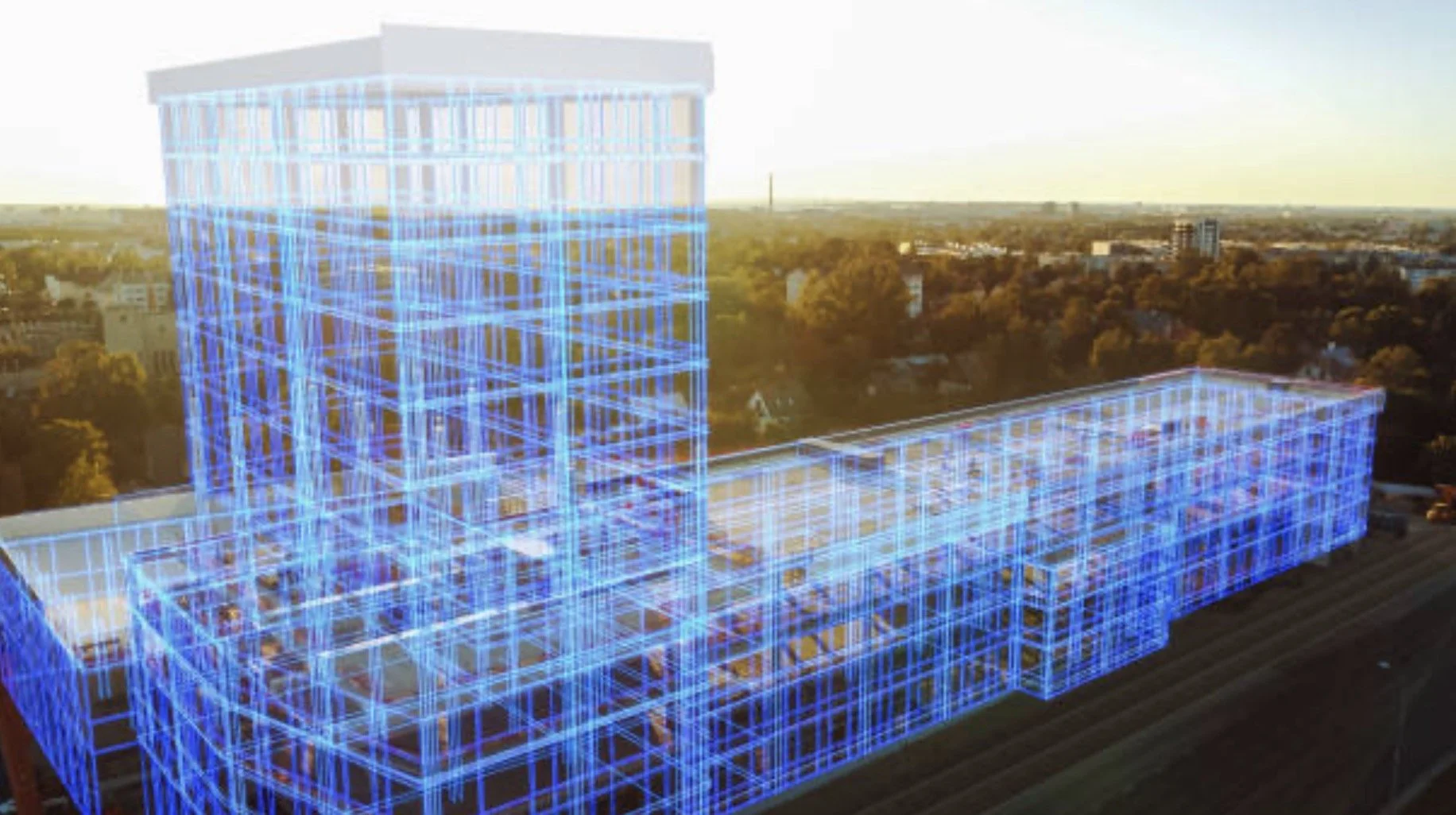
In a world increasingly reliant on technology, the way we design, manage, and interact with buildings is undergoing a seismic shift. Building digitization—the process of creating precise digital replicas of physical spaces—is transforming industries ranging from real estate to construction, hospitality, and beyond.
In a world increasingly reliant on technology, the way we design, manage, and interact with buildings is undergoing a seismic shift. Building digitization—the process of creating precise digital replicas of physical spaces—is transforming industries ranging from real estate to construction, hospitality, and beyond. By combining advanced 3D scanning, LiDAR technology, and immersive virtual tools, companies like Lightbound 3D are leading the charge in bringing buildings online, making them accessible, functional, and future-ready.
This blog will explore why building digitization matters, the technologies driving it, and the real-world benefits it delivers across various industries.
What Is Building Digitization?
At its core, building digitization involves the creation of a digital twin—a highly accurate virtual representation of a physical structure. This can take the form of:
3D virtual tours: Interactive walkthroughs that allow users to explore spaces remotely.
Point cloud data: Detailed spatial data captured by LiDAR technology, enabling precise modeling.
Digital floor plans: Scaled layouts used for design, renovation, or operational planning.
These elements collectively offer a comprehensive view of a building, breaking the barriers of physical space and providing insights that were previously inaccessible.
Why Building Digitization Matters
1. Enhanced Accessibility
Digitized buildings can be accessed by anyone, anywhere, at any time. For industries like real estate, this means potential buyers or tenants can explore properties without stepping foot inside. Virtual tours empower stakeholders by providing a realistic sense of the space, helping them make informed decisions faster.
Lightbound 3D, for instance, has enabled clients to showcase properties to international buyers, reducing the need for costly and time-consuming site visits.
2. Improved Collaboration Across Stakeholders
From architects to contractors, building owners to facilities managers, digitization ensures everyone is on the same page. Digital models offer a shared platform where stakeholders can view, annotate, and collaborate in real-time. This unified approach minimizes miscommunication, streamlines workflows, and ensures the success of complex projects.
3. Efficiency in Renovation and Maintenance
One of the biggest challenges in renovations is understanding what lies beneath the surface—hidden pipes, electrical wiring, or structural elements. Digitization provides precise data that eliminates guesswork, allowing teams to plan renovations with confidence.
Lightbound 3D’s detailed scans have helped clients avoid costly errors during renovations, identifying potential challenges before they become problems.
4. Sustainability Through Smarter Resource Use
With building digitization, sustainability is no longer an afterthought. Digital models allow for precise energy modeling, helping organizations identify inefficiencies and optimize resource use. By reducing material waste and improving energy efficiency, digitization contributes to greener, more sustainable buildings.

Technologies Driving Building Digitization
LiDAR Scanning
LiDAR (Light Detection and Ranging) uses laser light to measure distances and create detailed 3D maps of spaces. This technology is a cornerstone of building digitization, enabling high-precision measurements that form the basis of digital twins.
3D Virtual Tour Platforms
Matterport and similar platforms revolutionize how spaces are presented, offering immersive and interactive experiences that bring buildings to life. These tools are especially valuable in industries like real estate and hospitality.
BIM Integration
Building Information Modeling (BIM) takes digitization to the next level by integrating detailed spatial data with operational and functional information. BIM models are invaluable for long-term building management, ensuring that digital assets remain relevant and actionable.
Industries Benefiting from Building Digitization
1. Real Estate
Digitization has transformed how properties are marketed and sold. Virtual tours attract buyers by offering immersive experiences, while floor plans and point cloud data provide actionable insights for renovations or redevelopments.
2. Construction and Architecture
Precise digital models ensure that every phase of construction is executed accurately. Architects can test designs within a digital twin, and contractors can plan more effectively, avoiding costly rework.
3. Facility Management
For facilities managers, digitized buildings provide a detailed view of every system and structure, enabling proactive maintenance and efficient space utilization.
4. Emergency Services
In critical situations, such as fires or natural disasters, having a detailed digital twin can save lives. Emergency responders can plan rescue operations using accurate layouts, gaining a clear understanding of the environment before entering.
The Future of Building Digitization
As technologies like AI and machine learning integrate with building digitization, the potential applications will continue to grow. Predictive analytics could optimize building performance, while augmented reality might allow users to overlay digital information onto physical spaces in real-time.
Lightbound 3D is already at the forefront of this evolution, using advanced scanning technologies to redefine how spaces are documented and utilized. Their commitment to innovation ensures that clients not only meet today’s challenges but are also prepared for the opportunities of tomorrow.
Conclusion
Building digitization is more than a trend; it’s a paradigm shift that’s redefining the way we interact with the built environment. Whether you’re in real estate, construction, or facility management, the benefits of digitization are clear: enhanced accessibility, improved collaboration, greater efficiency, and a path toward sustainability.
For Lightbound 3D, the mission is simple: to help clients bring their buildings online with precision and creativity. With over 1,400 successful scans and counting, their expertise ensures that your spaces are not just captured but truly transformed.
Ready to digitize your space? Contact Lightbound 3D today and take the first step toward a smarter, more connected future.
Transforming Spaces with Virtual Staging: From Cluttered to Chic
In the world of real estate and interior design, first impressions are everything. The way a space is presented can significantly impact its perceived value and appeal. At Lightbound 3D, we specialize in using advanced technologies to bring out the best in every property. One of our most effective tools is virtual staging, a process that transforms cluttered, empty, or outdated spaces into beautifully styled environments.
Introduction
In the world of real estate and interior design, first impressions are everything. The way a space is presented can significantly impact its perceived value and appeal. At Lightbound 3D, we specialize in using advanced technologies to bring out the best in every property. One of our most effective tools is virtual staging, a process that transforms cluttered, empty, or outdated spaces into beautifully styled environments. In this blog post, we'll dive deep into the power of virtual staging, showcasing its benefits, the process involved, and how it can elevate any property. We'll also take a detailed look at some before-and-after examples to illustrate just how transformative virtual staging can be.
The Power of First Impressions
When potential buyers or renters walk into a property, their first impression can set the tone for their entire experience. A well-staged home can evoke feelings of warmth, comfort, and aspiration, making it easier for viewers to envision themselves living in the space. Conversely, a cluttered or empty room can feel cold and uninviting, making it harder for viewers to connect with the property.
Virtual staging bridges this gap by providing a realistic, visually appealing representation of what a space could look like when furnished and decorated. Unlike traditional staging, which can be time-consuming and expensive, virtual staging is efficient, cost-effective, and highly customizable.
What is Virtual Staging?
Virtual staging is the process of using digital technology to furnish and decorate a property. It involves creating realistic, computer-generated images of furniture, décor, and other elements to enhance the appearance of a room. This technique allows for a high degree of flexibility, enabling designers to experiment with different styles, layouts, and color schemes without the need for physical furniture.
At Lightbound 3D, we leverage the latest in 3D modeling and rendering software to produce stunningly realistic virtual staging. Our team of skilled designers works closely with clients to understand their vision and bring it to life through digital transformation.
Benefits of Virtual Staging
1. Cost-Effectiveness
Traditional staging can be expensive, requiring the rental or purchase of furniture, décor, and other elements. Additionally, there's the cost of hiring a professional stager to arrange everything. Virtual staging eliminates these costs, providing a more affordable solution that doesn't compromise on quality.
2. Flexibility
With virtual staging, the possibilities are endless. Designers can easily experiment with different styles, layouts, and color schemes to find the perfect look for a property. This flexibility allows for quick adjustments and refinements, ensuring the final result is exactly what the client envisions.
3. Time Efficiency
Traditional staging can take days or even weeks to complete, depending on the scope of the project. Virtual staging, on the other hand, can be completed in a fraction of the time. This speed is particularly beneficial in the fast-paced real estate market, where properties need to be listed and shown quickly.
4. Realistic and High-Quality Visuals
Modern virtual staging technology allows for incredibly realistic and high-quality visuals. At Lightbound 3D, we use advanced 3D rendering techniques to create images that are virtually indistinguishable from real photographs. This level of realism helps potential buyers or renters better understand the potential of a space.
5. Customization
Virtual staging offers a level of customization that traditional staging can't match. Designers can tailor every element of the staging to suit the target audience, whether it's modern, traditional, minimalist, or eclectic. This customization ensures that the staging resonates with the specific tastes and preferences of potential buyers or renters.
The Virtual Staging Process
The virtual staging process at Lightbound 3D involves several key steps:
1. Initial Consultation
The process begins with an initial consultation to understand the client's vision and goals. During this stage, we discuss the desired style, layout, and any specific elements the client wants to include. We also gather information about the property, including floor plans and photographs.
2. Digital Modeling
Next, our team of designers creates a digital model of the property using advanced 3D modeling software. This model serves as the foundation for the virtual staging process.
3. Furnishing and Decorating
Once the digital model is complete, we begin the process of furnishing and decorating the space. Using high-quality 3D assets, we add furniture, décor, and other elements to create a visually appealing and cohesive look. We pay close attention to details such as lighting, shadows, and textures to ensure the final images are as realistic as possible.
4. Review and Refinement
After the initial staging is complete, we present the images to the client for review. This stage allows for feedback and refinements to ensure the final result aligns with the client's vision. We make any necessary adjustments to the staging based on the client's input.
5. Final Delivery
Once the staging is finalized, we deliver the high-resolution images to the client. These images can be used for marketing materials, online listings, and other promotional efforts.
Before and After: A Closer Look
To illustrate the transformative power of virtual staging, let's take a closer look at some before-and-after examples from our recent projects.
Example 1: From Cluttered to Chic
In this first example, we transformed a cluttered living space into a stylish and inviting environment. The before image shows a room filled with personal belongings, cluttered surfaces, and an overall lack of cohesion. This setup makes it difficult for potential buyers to see the room's potential.
Before:

The after image, on the other hand, showcases a beautifully staged living area with modern furniture, coordinated décor, and a clean, organized layout. The transformation highlights the room's best features and creates a welcoming atmosphere.
After:

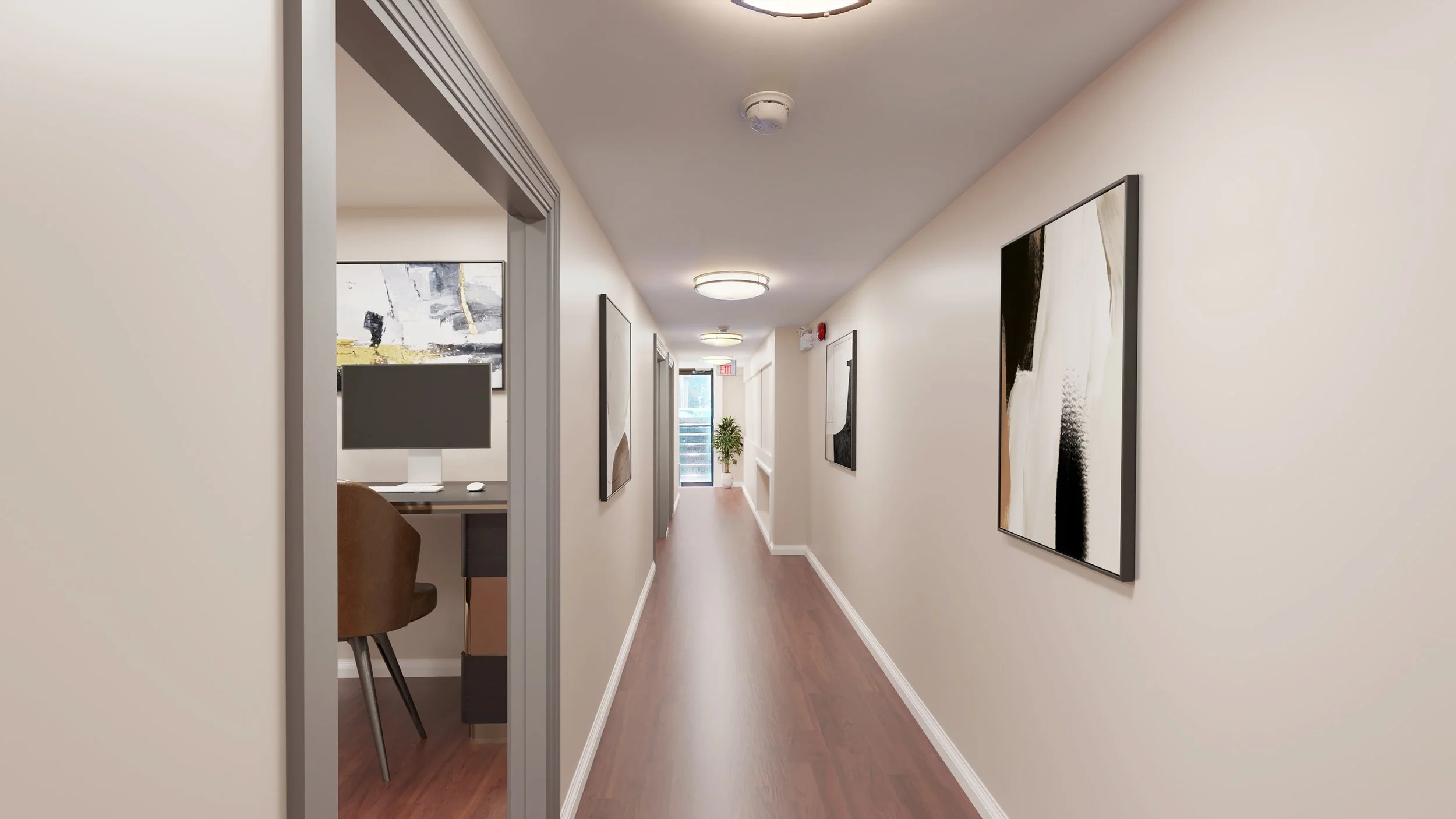
Example 2: Hallway Transformation
In this second example, we tackled a narrow, cluttered hallway. The before image shows a space filled with miscellaneous items, creating a sense of disorganization and making the hallway appear cramped.
Before:

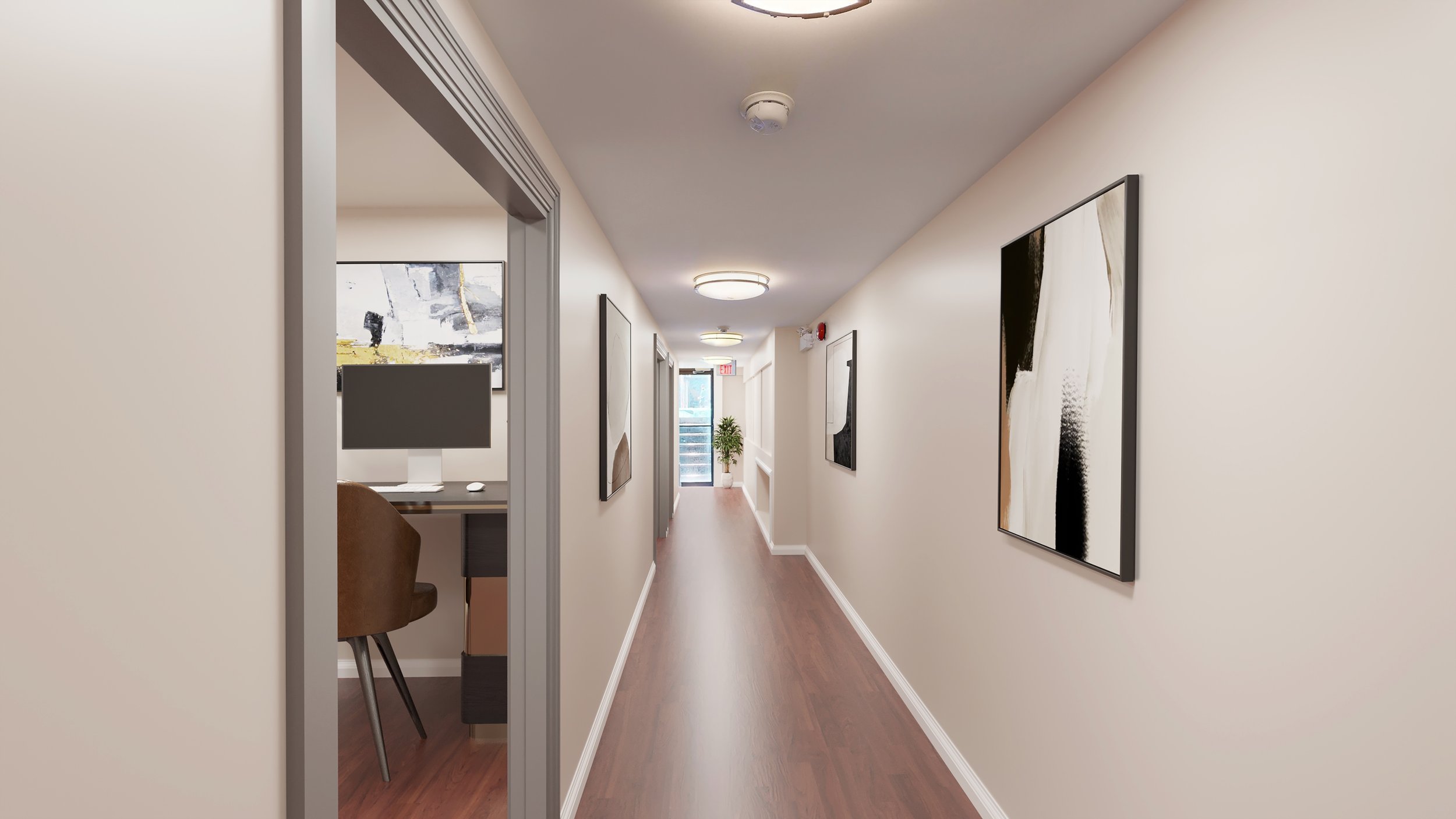
The after image reveals a sleek, clean hallway with minimalistic décor and strategic lighting. The transformation not only improves the hallway's aesthetic appeal but also makes it feel more spacious and inviting.
After:
The Impact on Real Estate Sales
Virtual staging isn't just about making a property look good; it's about driving real results in the real estate market. Studies have shown that staged homes sell faster and for higher prices than their unstaged counterparts. By providing potential buyers with a clear vision of what a space can look like, virtual staging helps them form an emotional connection with the property.
Faster Sales
Properties that are virtually staged tend to spend less time on the market. This speed is particularly valuable in competitive markets where time is of the essence. Buyers are more likely to make quick decisions when they can easily envision themselves living in a beautifully staged home.
Higher Offers
Virtual staging can also lead to higher offers. When a property is presented in its best light, it creates a sense of value and desirability. Buyers are often willing to pay more for a home that feels move-in ready and aesthetically pleasing.
Broader Appeal
Virtual staging allows for customization that can cater to a broad range of tastes and preferences. This broad appeal increases the likelihood of attracting multiple offers, creating a competitive environment that can drive up the final sale price.
Conclusion
Virtual staging is a powerful tool that can transform any property into a stunning, market-ready space. At Lightbound 3D, we are dedicated to helping our clients showcase their properties in the best possible light. Through our advanced virtual staging techniques, we create realistic, high-quality images that highlight the true potential of every room.
Whether you're a real estate agent looking to sell a property quickly, a homeowner wanting to present your space in the best way, or a developer aiming to market new construction, virtual staging offers a cost-effective, flexible, and impactful solution. The examples we've shared demonstrate just how transformative virtual staging can be, turning cluttered and uninviting spaces into stylish and desirable environments.
If you're interested in learning more about our virtual staging services or seeing additional examples of our work, please visit our website or contact us directly. Let us help you make a lasting impression and achieve your real estate goals with the power of virtual staging.
Call to Action
Ready to transform your property with virtual staging? Contact Lightbound 3D today to schedule a consultation and discover how our services can elevate your space. Visit our website at www.lightbound3d.com/virtual-staging-made-easy or call us at (437) 775-9000. Follow us on social media for more before-and-after transformations and design inspiration!

Streamline manufacturing processes with 3D Digital Twins
In the evolving landscape of manufacturing, the adoption of innovative technologies is not just a trend but a necessity for staying competitive. Among these technologies, 3D digital twins stand out as a transformative tool for streamlining training and improving factory processes. This blog post explores how leveraging 3D digital twins can revolutionize manufacturing operations, enhance employee training, and significantly optimize production processes.
In the evolving landscape of manufacturing, the adoption of innovative technologies is not just a trend but a necessity for staying competitive. Among these technologies, 3D digital twins stand out as a transformative tool for streamlining training and improving factory processes. This blog post explores how leveraging 3D digital twins can revolutionize manufacturing operations, enhance employee training, and significantly optimize production processes.
Understanding 3D Digital Twins
A 3D digital twin is a virtual replica of a physical entity, process, or system. This technology goes beyond mere visual representation; it includes real-time data, interactive elements, and analytics, which allow for detailed analysis and simulation. In the context of manufacturing, digital twins can replicate entire factories, production lines, or specific machinery, providing an invaluable resource for training and process improvement.
Streamlining Training with 3D Digital Twins
Interactive Learning Environments
Traditional training methods often rely on manuals, videos, or direct observation, which can be time-consuming and may not fully engage learners. 3D digital twins create interactive and immersive learning environments where employees can explore and interact with virtual models of their workspaces and machinery. This hands-on experience enhances understanding and retention, allowing for more effective training.
Safe Simulation of Scenarios
Training in a live factory environment can pose safety risks, especially for novices. With digital twins, employees can safely simulate various operational scenarios, including handling emergencies or machine failures, without any real-world risk. This approach not only protects workers but also builds their confidence in managing different situations.
Customized Learning Paths
3D digital twins enable the customization of training modules according to the specific needs of an employee or role. Workers can progress at their own pace, revisiting complex topics as needed. This personalized learning experience ensures that all team members are adequately prepared for their responsibilities.
Improving Factory Processes with 3D Digital Twins
Real-time Monitoring and Analytics
Digital twins integrate with IoT devices and sensors within the factory to provide real-time monitoring and analytics. This integration allows for the identification of inefficiencies, bottlenecks, and opportunities for process optimization. Managers can use these insights to make informed decisions and implement improvements quickly.
Predictive Maintenance and Scenario Testing
One of the significant advantages of digital twins is their ability to simulate future scenarios based on current data. This capability is particularly useful for predictive maintenance, where the system can forecast machinery failures before they occur, reducing downtime and maintenance costs. Additionally, factories can test potential process changes in the virtual environment to assess their impact without disrupting actual production.
Collaboration and Innovation
Digital twins facilitate collaboration among team members, who can access the virtual factory model from anywhere. This accessibility encourages the sharing of ideas and problem-solving strategies, driving innovation. Furthermore, the ability to experiment with process changes in a risk-free environment promotes a culture of continuous improvement.
Conclusion
The integration of 3D digital twins into manufacturing operations offers a compelling solution for enhancing training and improving factory processes. By creating realistic, interactive learning experiences, providing insights through real-time data, and enabling the safe simulation of scenarios, digital twins serve as a foundational technology for the factories of the future. As industries continue to embrace digital transformation, the role of 3D digital twins in streamlining operations and fostering innovation will undoubtedly expand, marking a new era in manufacturing excellence.

Transforming the AEC Landscape: The Revolutionary Impact of Laser Scanning
The Architecture, Engineering, and Construction (AEC) industries are undergoing a significant transformation, driven by the integration of advanced technologies. Among these, laser scanning stands out as a pivotal innovation, revolutionizing project planning, execution, and management. This blog post delves into the myriad benefits of laser scanning, illustrating how it is reshaping the AEC industries.
The Architecture, Engineering, and Construction (AEC) industries are undergoing a significant transformation, driven by the integration of advanced technologies. Among these, laser scanning stands out as a pivotal innovation, revolutionizing project planning, execution, and management. This blog post delves into the myriad benefits of laser scanning, illustrating how it is reshaping the AEC industries.
Precision and Accuracy
Laser scanning, also known as 3D scanning or LiDAR, employs laser light to precisely measure and capture the environment in three dimensions. This technology enables the creation of detailed digital replicas of physical sites, known as point clouds. The accuracy of laser scanning is unparalleled, capturing minute details and irregularities that traditional survey methods might miss. This precision facilitates error detection early in the design phase, reducing costly revisions during construction.
Time and Cost Efficiency
One of the most compelling advantages of laser scanning is its efficiency. Traditional surveying methods are time-consuming and labor-intensive, often requiring multiple site visits. In contrast, laser scanning can capture comprehensive data in a single visit, dramatically reducing man-hours and associated costs. The speed of data acquisition also means that projects can move forward more rapidly, shortening the overall project timeline.
Enhanced Collaboration and Communication
The digital models generated from laser scans can be shared across teams, irrespective of their physical location. This fosters better collaboration and communication among architects, engineers, and construction professionals. Stakeholders can visualize the project in a detailed and interactive 3D environment, making it easier to discuss plans, identify potential issues, and make informed decisions.
Risk Mitigation
Laser scanning plays a crucial role in risk management within the AEC industries. By providing accurate measurements and detailed models of existing conditions, it helps in identifying hazards and planning mitigation strategies beforehand. This proactive approach not only ensures the safety of the construction crew but also minimizes the risk of project delays and cost overruns.
Sustainability
Sustainability is a growing concern in the AEC industries. Laser scanning contributes to sustainable practices by enabling precise material estimations, thus reducing waste. Moreover, the ability to retrofit and rehabilitate existing structures with laser-scanned data supports the preservation of cultural heritage and reduces the need for new materials and construction, aligning with eco-friendly objectives.
Facility Management and Future Modifications
Post-construction, the detailed data acquired through laser scanning prove invaluable for facility management and future modifications. Facility managers can use the digital models for maintenance planning, space management, and energy analysis. Additionally, if modifications are required, the existing digital model provides a precise baseline for planning changes, saving time and resources.
Conclusion
The benefits of laser scanning for the AEC industries are profound and multifaceted. By offering unparalleled precision, efficiency, and collaboration, laser scanning is not just an option but a necessity for modern construction projects. It paves the way for safer, more sustainable, and cost-effective practices, ensuring the long-term success and resilience of the AEC industries. As technology continues to advance, the integration of laser scanning will undoubtedly become more widespread, further enhancing its impact on the field. The future of construction lies in embracing these technological innovations, with laser scanning leading the charge in transforming the AEC landscape.

Virtual Staging: The Future of Real Estate Marketing
Augment your next real estate listing with a virtual staging package from Lightbound 3D. Watch your listing go from good to great!
The world of real estate has evolved significantly in recent years, with the advancement of technology playing a significant role in the transformation. One aspect of this transformation is the concept of virtual staging, which has become increasingly popular in the industry. Virtual staging is the use of digital technology to create realistic images of interior spaces, allowing prospective buyers to envision themselves in the space before physically visiting the property. This technique has revolutionized the way real estate professionals market properties, making the process more efficient and effective.
Virtual staging has many benefits for real estate professionals, sellers, and buyers alike. One of the main advantages is that it saves time and money. Traditional staging involves the physical placement of furniture and accessories in a property, which can be time-consuming and expensive. Virtual staging, on the other hand, is a relatively quick and affordable process, with images created using computer software. This means that properties can be staged and marketed much faster, allowing for a quicker sale.
Another advantage of virtual staging is that it allows for more flexibility and creativity. With traditional staging, furniture and accessories are physically placed in a property, limiting the possibilities for customization. Virtual staging, however, allows for an infinite number of possibilities, as digital furniture and accessories can be added, removed, or rearranged at will. This means that properties can be staged to appeal to specific target markets or demographics, increasing the likelihood of a sale.
Virtual staging also allows for a more personalized experience for buyers. With traditional staging, prospective buyers are often viewing a property that has been staged to appeal to the masses. Virtual staging, however, allows for a more personalized experience, as buyers can envision themselves in the space and see it as their own. This can help to create an emotional connection with the property, increasing the likelihood of a sale.
There are some potential downsides to virtual staging, however. One of the main criticisms is that it can be misleading, as it can create an unrealistic view of the property. Buyers may be disappointed when they physically visit the property and find that it looks different from the virtual staging images. However, this can be mitigated by ensuring that the virtual staging images are as accurate as possible, and by providing accurate descriptions and measurements of the property.
Overall, virtual staging is a valuable tool for real estate professionals, sellers, and buyers. It allows for a more efficient, effective, and personalized marketing process, and is likely to become even more popular in the future as technology continues to evolve. As the real estate industry continues to adapt to the changing technological landscape, virtual staging is set to become a key component of successful property marketing strategies.

We are open for business during COVID-19, but things will be different!

We are encountering a higher demand for our services, helping organizations stay open virtually and augmenting real estate listings with immersive 3D Matterport tours.
In order to keep everyone safe the following protocols are followed, no exceptions:
Properties must be vacant and prepared to be imaged. In case of commercial properties, only required essential staff should be present.
We will address your project requirements prior to appointment. Under no circumstances shall anyone other than us or essential staff be present at location.
If you suspect you have been in contact with Covid-19 or don’t feel well, please take care of yourself, be responsible and let us know! We are in this together and we offer you the same courtesy.
We follow strict safety precautions as recommended by health authorities. This means we move slower, wear protective gear and sanitize our equipment between appointments.
Now more than ever it matters what we do. We can beat this thing but only if we work together and practice social distancing. Stay well!