

The Power of Virtual Staging: Transforming Real Estate Marketing
Virtual staging not only enhances listing photos but also helps buyers envision the potential of a space. By digitally furnishing, remodeling, or redesigning a property, virtual staging can attract more interest, sell homes faster, and maximize sale prices. Let’s explore how this innovative technology is revolutionizing real estate marketing.
Introduction
In today’s competitive real estate market, standing out is more important than ever. Buyers are drawn to homes that feel inviting, modern, and stylish, yet not every property is ready for a perfect photoshoot. Virtual staging has emerged as a game-changing solution, allowing sellers, agents, and developers to present homes in their best light without the expense or hassle of physical staging.
Virtual staging not only enhances listing photos but also helps buyers envision the potential of a space. By digitally furnishing, remodeling, or redesigning a property, virtual staging can attract more interest, sell homes faster, and maximize sale prices. Let’s explore how this innovative technology is revolutionizing real estate marketing.
What Is Virtual Staging?
Virtual staging is the process of digitally furnishing and enhancing photos of vacant or outdated spaces to make them more appealing to potential buyers. Using advanced rendering techniques, professional designers create realistic, high-quality visuals that bring empty rooms to life. Whether a home needs contemporary furniture, a remodeled kitchen, or a complete style overhaul, virtual staging makes it possible—all without the cost and logistics of traditional staging.
Unlike physical staging, which involves renting and transporting real furniture, virtual staging is done entirely through software. The result? A seamless, photorealistic representation of the space that helps buyers emotionally connect with the property.
The Benefits of Virtual Staging
1. Cost-Effective and Efficient
Traditional home staging can cost thousands of dollars per month, particularly for luxury properties. Virtual staging, on the other hand, provides a one-time, affordable solution that achieves the same result—making a home look move-in ready and desirable. By eliminating the need for furniture rentals, delivery fees, and labor costs, sellers can achieve professional-grade marketing materials at a fraction of the price.
2. Faster Sales and Higher Offers
Homes that look well-designed and furnished tend to sell faster. Buyers often struggle to visualize how an empty space would look with furniture, which can make them hesitant to commit. A virtually staged home allows them to see the full potential of the space, leading to quicker decisions and, often, higher offers. Properties that appear well-maintained and move-in ready tend to command top dollar in the market.
3. Flexible Design Options
Every buyer has a unique taste, and what appeals to one might not work for another. Virtual staging allows for customization, offering different styles to match the target audience. Whether the property is suited for modern, rustic, industrial, or minimalist décor, virtual staging can tailor the design to fit the ideal buyer’s preferences. Sellers can even provide multiple design options to showcase the home’s versatility.
4. Ideal for Vacant or Outdated Homes
Vacant homes can feel cold and uninspiring, while outdated homes may turn off potential buyers who struggle to see past the current design. Virtual staging breathes new life into these properties, helping them compete with professionally staged homes. It allows buyers to focus on the property’s true potential rather than its current condition.
5. Enhancing Online Listings
In the digital age, online listings are often the first impression buyers have of a property. High-quality photos that showcase a beautifully staged home are more likely to capture interest and generate inquiries. Since most homebuyers start their search online, virtual staging provides a competitive edge by making listings more visually appealing and engaging.
How Virtual Staging Works
The process of virtual staging is simple and efficient:
Photograph the Property – High-resolution images of the vacant or outdated space are taken to serve as the foundation for virtual staging.
Choose a Design Style – Sellers and agents can select from various interior design styles that best suit the property and its target audience.
Professional Rendering – Designers digitally furnish the space, adding furniture, decor, and enhancements that align with the chosen style.
Review and Revise – Clients can request revisions to ensure the final images meet their expectations.
Use in Marketing – The finished, professionally staged images are added to listings, brochures, and social media campaigns to attract potential buyers.
This seamless process makes virtual staging a highly effective marketing tool with a quick turnaround time.
Why Choose Professional Virtual Staging?
With the rise of digital marketing, many DIY virtual staging apps and services have emerged. However, not all virtual staging is created equal. Professional virtual staging services offer high-quality, photorealistic results that make a home look genuinely inviting and livable.
What Sets Professional Virtual Staging Apart?
✔ Free Revisions – Ensuring that the final images meet the client’s expectations. ✔ Quality Results – Using expert designers and advanced rendering techniques to create stunning visuals. ✔ Personalized Team – A dedicated team that understands the nuances of real estate marketing. ✔ Happiness Guaranteed – Delivering satisfaction through professional craftsmanship and attention to detail.
When selecting a virtual staging provider, it’s essential to work with experts who understand how to create natural lighting, realistic textures, and furniture placement that enhances the flow of a space. Poorly executed virtual staging can make a home look artificial and unappealing, deterring buyers rather than attracting them.
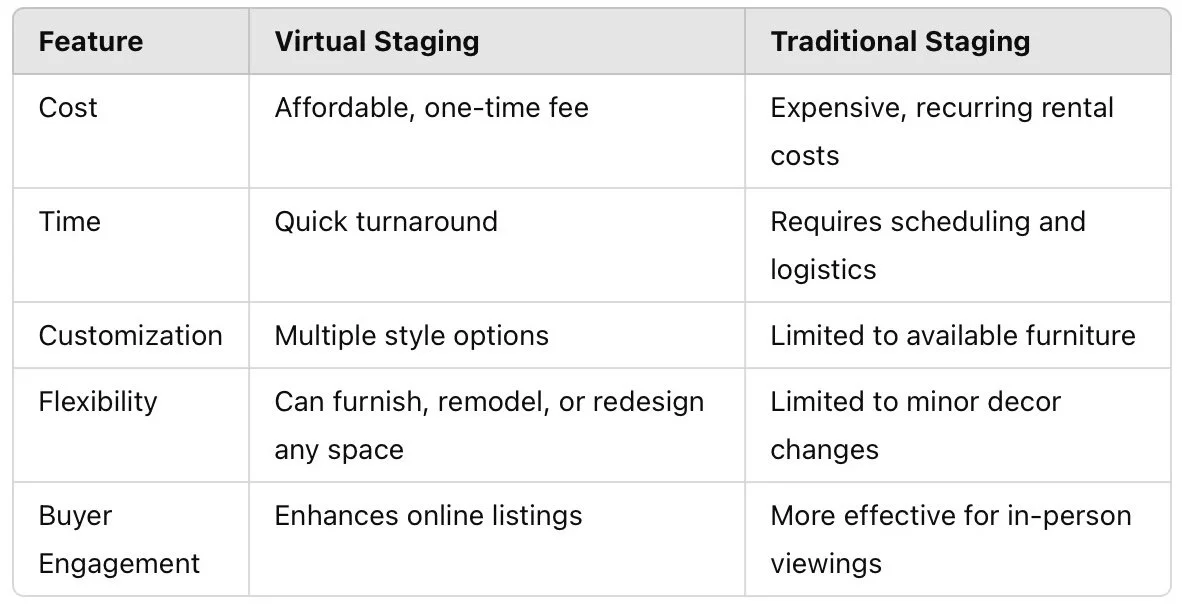
While traditional staging is still a great option for high-end properties or model homes, virtual staging offers unmatched flexibility and cost-effectiveness for most sellers.
The Future of Virtual Staging
As technology advances, virtual staging is becoming even more sophisticated. Innovations in AI and 3D rendering allow for hyper-realistic staging that is nearly indistinguishable from real furniture. Future trends include:
Interactive 3D Virtual Tours – Buyers can walk through a staged home virtually, enhancing the online viewing experience.
Augmented Reality (AR) Staging – Potential buyers can use AR apps to see different furniture styles and layouts in real-time.
Smart Staging Suggestions – AI-driven recommendations based on buyer preferences and demographics.
Virtual staging is no longer just an alternative to traditional staging—it’s becoming a standard in real estate marketing.
Conclusion
In an industry where first impressions matter, virtual staging is an invaluable tool for real estate professionals. It enhances property listings, attracts more buyers, and helps homes sell faster and at higher prices. By digitally furnishing, remodeling, or redesigning any space, virtual staging provides a cost-effective, flexible, and highly impactful solution for showcasing a property’s full potential.
Whether you’re an agent, developer, or homeowner looking to maximize your sale, virtual staging is a game-changing investment. If you're ready to transform your listings and captivate buyers, now is the time to embrace the future of real estate marketing.
Want to see how virtual staging can elevate your listings? Contact us today to get started!
Transforming Spaces with Virtual Staging: From Cluttered to Chic
In the world of real estate and interior design, first impressions are everything. The way a space is presented can significantly impact its perceived value and appeal. At Lightbound 3D, we specialize in using advanced technologies to bring out the best in every property. One of our most effective tools is virtual staging, a process that transforms cluttered, empty, or outdated spaces into beautifully styled environments.
Introduction
In the world of real estate and interior design, first impressions are everything. The way a space is presented can significantly impact its perceived value and appeal. At Lightbound 3D, we specialize in using advanced technologies to bring out the best in every property. One of our most effective tools is virtual staging, a process that transforms cluttered, empty, or outdated spaces into beautifully styled environments. In this blog post, we'll dive deep into the power of virtual staging, showcasing its benefits, the process involved, and how it can elevate any property. We'll also take a detailed look at some before-and-after examples to illustrate just how transformative virtual staging can be.
The Power of First Impressions
When potential buyers or renters walk into a property, their first impression can set the tone for their entire experience. A well-staged home can evoke feelings of warmth, comfort, and aspiration, making it easier for viewers to envision themselves living in the space. Conversely, a cluttered or empty room can feel cold and uninviting, making it harder for viewers to connect with the property.
Virtual staging bridges this gap by providing a realistic, visually appealing representation of what a space could look like when furnished and decorated. Unlike traditional staging, which can be time-consuming and expensive, virtual staging is efficient, cost-effective, and highly customizable.
What is Virtual Staging?
Virtual staging is the process of using digital technology to furnish and decorate a property. It involves creating realistic, computer-generated images of furniture, décor, and other elements to enhance the appearance of a room. This technique allows for a high degree of flexibility, enabling designers to experiment with different styles, layouts, and color schemes without the need for physical furniture.
At Lightbound 3D, we leverage the latest in 3D modeling and rendering software to produce stunningly realistic virtual staging. Our team of skilled designers works closely with clients to understand their vision and bring it to life through digital transformation.
Benefits of Virtual Staging
1. Cost-Effectiveness
Traditional staging can be expensive, requiring the rental or purchase of furniture, décor, and other elements. Additionally, there's the cost of hiring a professional stager to arrange everything. Virtual staging eliminates these costs, providing a more affordable solution that doesn't compromise on quality.
2. Flexibility
With virtual staging, the possibilities are endless. Designers can easily experiment with different styles, layouts, and color schemes to find the perfect look for a property. This flexibility allows for quick adjustments and refinements, ensuring the final result is exactly what the client envisions.
3. Time Efficiency
Traditional staging can take days or even weeks to complete, depending on the scope of the project. Virtual staging, on the other hand, can be completed in a fraction of the time. This speed is particularly beneficial in the fast-paced real estate market, where properties need to be listed and shown quickly.
4. Realistic and High-Quality Visuals
Modern virtual staging technology allows for incredibly realistic and high-quality visuals. At Lightbound 3D, we use advanced 3D rendering techniques to create images that are virtually indistinguishable from real photographs. This level of realism helps potential buyers or renters better understand the potential of a space.
5. Customization
Virtual staging offers a level of customization that traditional staging can't match. Designers can tailor every element of the staging to suit the target audience, whether it's modern, traditional, minimalist, or eclectic. This customization ensures that the staging resonates with the specific tastes and preferences of potential buyers or renters.
The Virtual Staging Process
The virtual staging process at Lightbound 3D involves several key steps:
1. Initial Consultation
The process begins with an initial consultation to understand the client's vision and goals. During this stage, we discuss the desired style, layout, and any specific elements the client wants to include. We also gather information about the property, including floor plans and photographs.
2. Digital Modeling
Next, our team of designers creates a digital model of the property using advanced 3D modeling software. This model serves as the foundation for the virtual staging process.
3. Furnishing and Decorating
Once the digital model is complete, we begin the process of furnishing and decorating the space. Using high-quality 3D assets, we add furniture, décor, and other elements to create a visually appealing and cohesive look. We pay close attention to details such as lighting, shadows, and textures to ensure the final images are as realistic as possible.
4. Review and Refinement
After the initial staging is complete, we present the images to the client for review. This stage allows for feedback and refinements to ensure the final result aligns with the client's vision. We make any necessary adjustments to the staging based on the client's input.
5. Final Delivery
Once the staging is finalized, we deliver the high-resolution images to the client. These images can be used for marketing materials, online listings, and other promotional efforts.
Before and After: A Closer Look
To illustrate the transformative power of virtual staging, let's take a closer look at some before-and-after examples from our recent projects.
Example 1: From Cluttered to Chic
In this first example, we transformed a cluttered living space into a stylish and inviting environment. The before image shows a room filled with personal belongings, cluttered surfaces, and an overall lack of cohesion. This setup makes it difficult for potential buyers to see the room's potential.
Before:

The after image, on the other hand, showcases a beautifully staged living area with modern furniture, coordinated décor, and a clean, organized layout. The transformation highlights the room's best features and creates a welcoming atmosphere.
After:

Example 2: Hallway Transformation
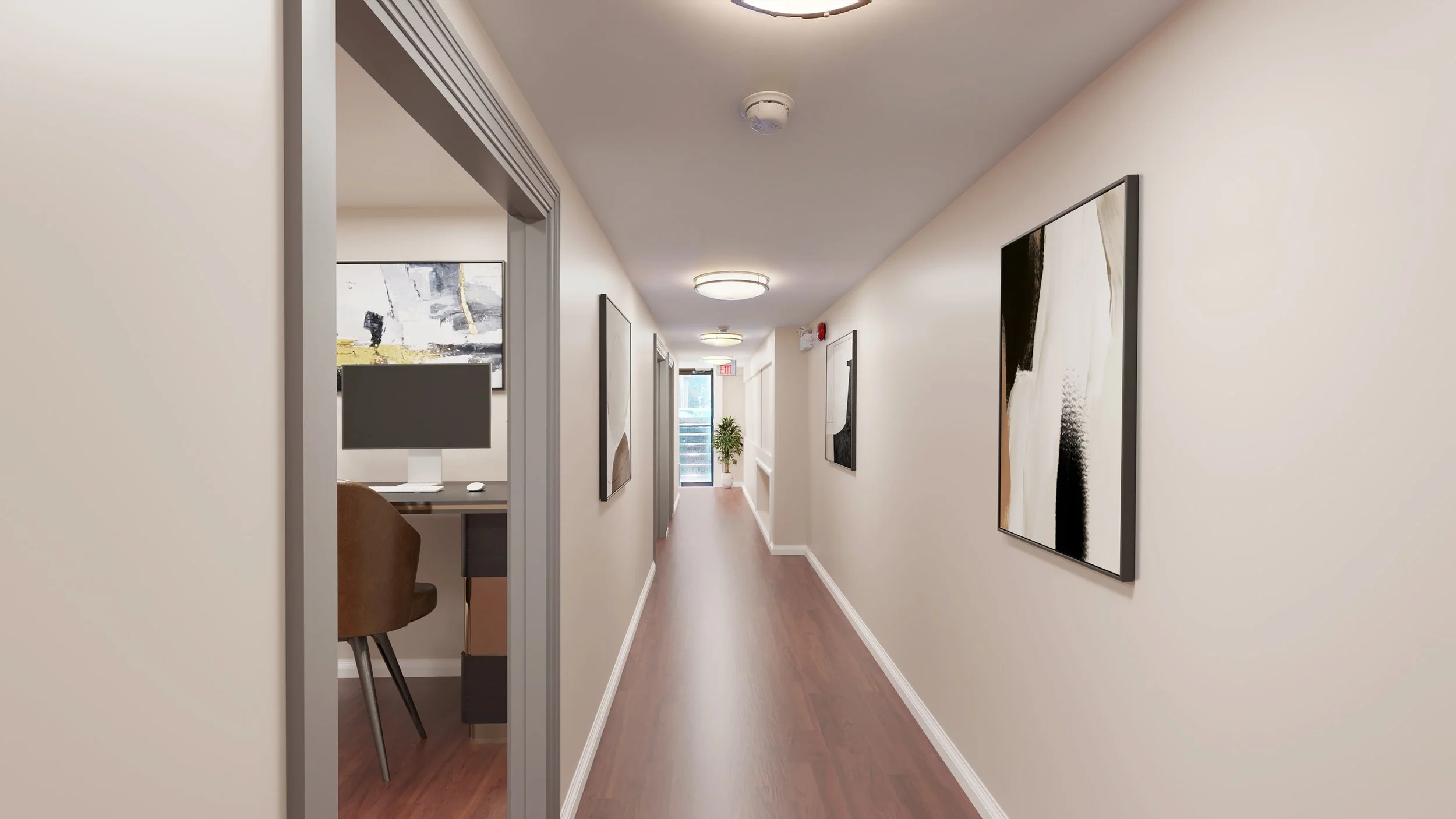
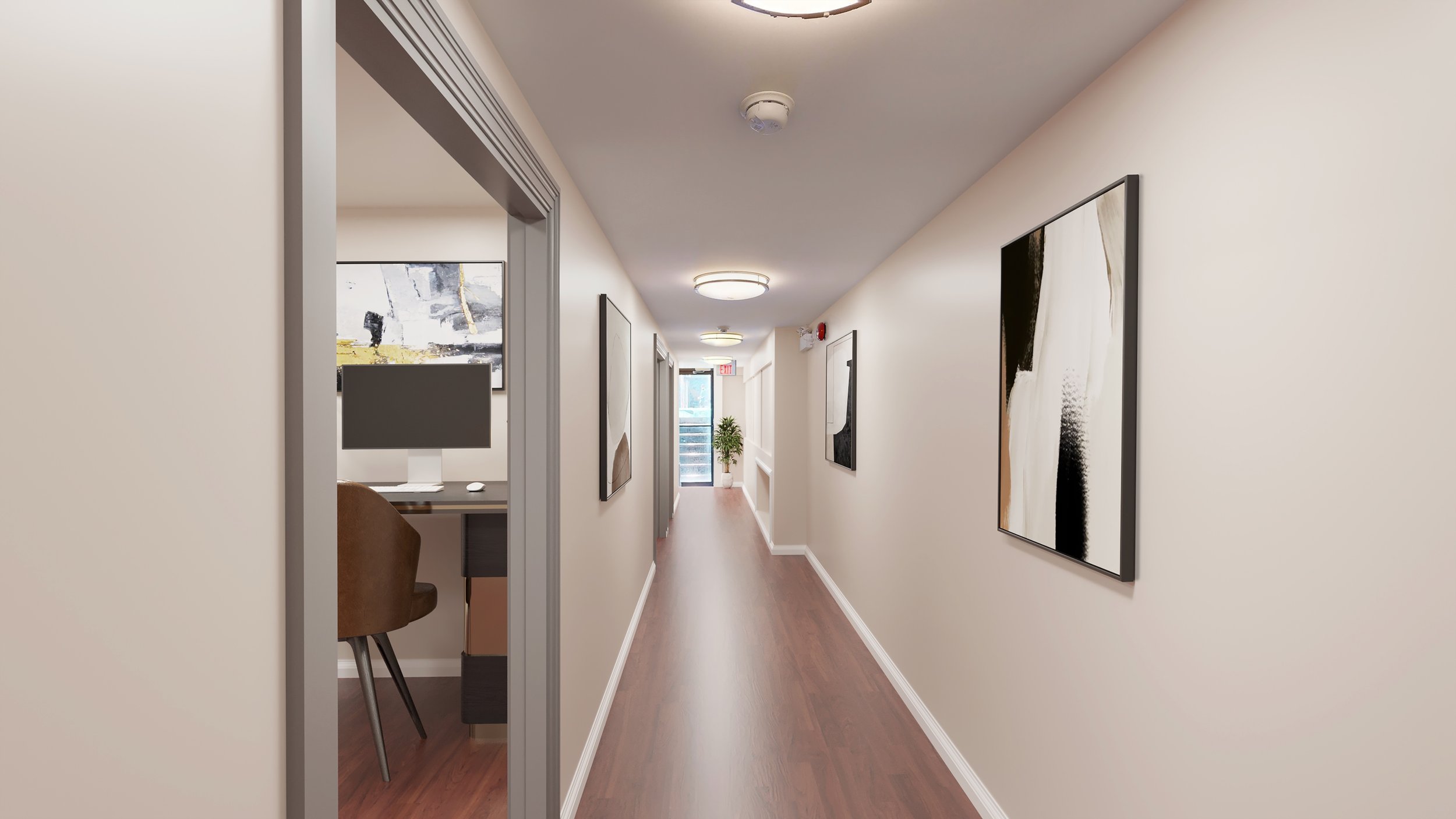
In this second example, we tackled a narrow, cluttered hallway. The before image shows a space filled with miscellaneous items, creating a sense of disorganization and making the hallway appear cramped.
Before:

The after image reveals a sleek, clean hallway with minimalistic décor and strategic lighting. The transformation not only improves the hallway's aesthetic appeal but also makes it feel more spacious and inviting.
After:
The Impact on Real Estate Sales
Virtual staging isn't just about making a property look good; it's about driving real results in the real estate market. Studies have shown that staged homes sell faster and for higher prices than their unstaged counterparts. By providing potential buyers with a clear vision of what a space can look like, virtual staging helps them form an emotional connection with the property.
Faster Sales
Properties that are virtually staged tend to spend less time on the market. This speed is particularly valuable in competitive markets where time is of the essence. Buyers are more likely to make quick decisions when they can easily envision themselves living in a beautifully staged home.
Higher Offers
Virtual staging can also lead to higher offers. When a property is presented in its best light, it creates a sense of value and desirability. Buyers are often willing to pay more for a home that feels move-in ready and aesthetically pleasing.
Broader Appeal
Virtual staging allows for customization that can cater to a broad range of tastes and preferences. This broad appeal increases the likelihood of attracting multiple offers, creating a competitive environment that can drive up the final sale price.
Conclusion
Virtual staging is a powerful tool that can transform any property into a stunning, market-ready space. At Lightbound 3D, we are dedicated to helping our clients showcase their properties in the best possible light. Through our advanced virtual staging techniques, we create realistic, high-quality images that highlight the true potential of every room.
Whether you're a real estate agent looking to sell a property quickly, a homeowner wanting to present your space in the best way, or a developer aiming to market new construction, virtual staging offers a cost-effective, flexible, and impactful solution. The examples we've shared demonstrate just how transformative virtual staging can be, turning cluttered and uninviting spaces into stylish and desirable environments.
If you're interested in learning more about our virtual staging services or seeing additional examples of our work, please visit our website or contact us directly. Let us help you make a lasting impression and achieve your real estate goals with the power of virtual staging.
Call to Action
Ready to transform your property with virtual staging? Contact Lightbound 3D today to schedule a consultation and discover how our services can elevate your space. Visit our website at www.lightbound3d.com/virtual-staging-made-easy or call us at (437) 775-9000. Follow us on social media for more before-and-after transformations and design inspiration!
Revolutionizing Commercial Design Showrooms with 3D Virtual Tours
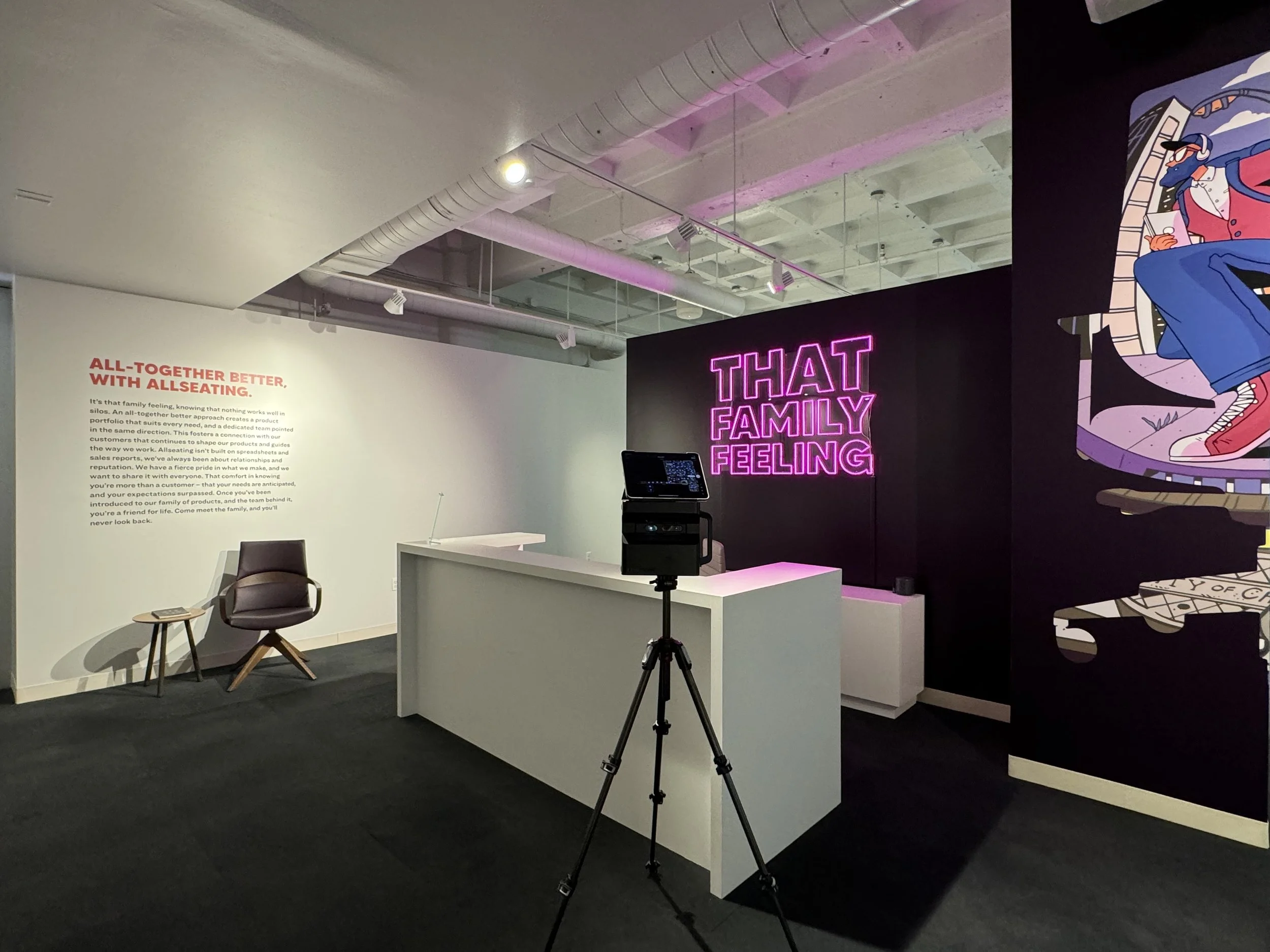
This year, we’re thrilled to participate in the NeoCon 2024 show in Chicago, supporting the commercial design industry with our augmented and virtual reality experiences. In this blog post, we’ll delve into the numerous benefits of 3D virtual tours and how they can elevate your showroom to new heights.
In the ever-evolving landscape of commercial furniture, staying ahead of the curve means embracing technology that enhances the buying experience and streamlines operations. At Lightbound 3D, we specialize in providing cutting-edge Matterport Real Estate and Virtual Tours. This year, we’re thrilled to participate in the NeoCon 2024 show in Chicago, supporting the commercial design industry with our augmented and virtual reality experiences. In this blog post, we’ll delve into the numerous benefits of 3D virtual tours and how they can elevate your showroom to new heights.
Enhanced Customer Engagement
One of the most significant advantages of 3D virtual tours is the unparalleled level of customer engagement they offer. Traditional showrooms require customers to physically visit the location, which can be a significant barrier. With 3D virtual tours, potential buyers can explore your showroom from the comfort of their homes or offices, at any time that suits them. This convenience translates to increased engagement, as customers can take their time to explore and make informed decisions.
Immersive Experience
A 3D virtual tour provides an immersive experience that photos and videos simply cannot match. Using advanced Matterport technology, we create a realistic, interactive 3D model of your showroom. Customers can “walk” through the space, zoom in on details, and even see products from different angles. This immersive experience helps customers visualize how the furniture will look and feel in their own spaces, bridging the gap between online browsing and in-person shopping.
Cost-Effective and Efficient
Setting up and maintaining a physical showroom can be costly and time-consuming. Rent, utilities, staffing, and maintenance all add up. A 3D virtual tour, on the other hand, is a one-time investment that can be used indefinitely. It allows you to showcase your products without the need for a large physical space, reducing overhead costs. Additionally, updates to the showroom can be made digitally, saving time and money.
Increased Reach
A physical showroom limits your reach to the local area, but a 3D virtual tour is accessible to anyone with an internet connection. This expanded reach means you can attract potential buyers from all over the world, increasing your customer base and potential sales. For businesses looking to expand into new markets, this is a game-changer.
Interactive Features
Our 3D virtual tours are not just about walking through a space; they include interactive features that enhance the customer experience. Embedded tags can provide detailed information about specific products, including dimensions, materials, and pricing. Customers can also view videos, read reviews, and even see how different pieces of furniture look together through virtual staging. These features provide a richer, more informative shopping experience.
Improved Sales and Marketing
A 3D virtual tour is a powerful sales and marketing tool. It can be easily integrated into your website, shared on social media, and included in email campaigns. Potential customers can explore your showroom at their convenience, which increases the likelihood of them making a purchase. Additionally, analytics from the virtual tour can provide valuable insights into customer behavior, helping you refine your marketing strategies and improve sales.
Time-Saving for Customers and Sales Teams
A 3D virtual tour saves time for both customers and sales teams. Customers can explore the showroom at their own pace, without the need to schedule appointments or travel. This is particularly beneficial for busy professionals or those located far from the showroom. For sales teams, virtual tours can pre-qualify leads by allowing customers to do their research beforehand, making in-person visits more productive.
Sustainability
In today’s eco-conscious world, sustainability is more important than ever. A 3D virtual tour reduces the need for physical travel, lowering your carbon footprint. It also minimizes the waste associated with maintaining and updating a physical showroom. By choosing a virtual showroom, you’re making an environmentally friendly choice that resonates with today’s consumers.
Supporting Furniture Manufacturers at NeoCon 2024
At Lightbound 3D, we’re excited to support furniture manufacturers at the 2024 NeoCon show in Chicago. NeoCon is the world’s leading platform for commercial design, where industry professionals gather to see the latest innovations. This year, we’re bringing our augmented and virtual reality experiences to the event, allowing attendees to immerse themselves in our 3D virtual tours.
By partnering with furniture manufacturers at NeoCon, we’re enabling them to showcase their products in an innovative and interactive way. Attendees will have the opportunity to explore virtual showrooms using VR headsets, providing a firsthand experience of the technology’s potential. We’ll also be demonstrating how our 3D virtual tours can be integrated with other technologies, such as augmented reality (AR) and Building Information Management (BIM), to create even more engaging and informative customer experiences.
Conclusion
The benefits of 3D virtual tours for commercial furniture showrooms are clear. From enhanced customer engagement and immersive experiences to cost savings and increased reach, this technology is revolutionizing the way we showcase and sell furniture. At Lightbound 3D, we’re at the forefront of this revolution, providing state-of-the-art virtual tours that transform the customer experience.
As we prepare for NeoCon 2024, we’re excited to share our innovations with the world and demonstrate how augmented and virtual reality can elevate your showroom to new heights. By supporting furniture manufacturers at the event, we’re helping them embrace the future of commercial furniture showrooms.
By leveraging 3D virtual tours, commercial furniture showrooms can not only stay competitive but also offer a superior shopping experience that meets the needs of today’s tech-savvy consumers. At Lightbound 3D, we’re committed to helping you achieve this transformation, ensuring your showroom stands out in a crowded market.