
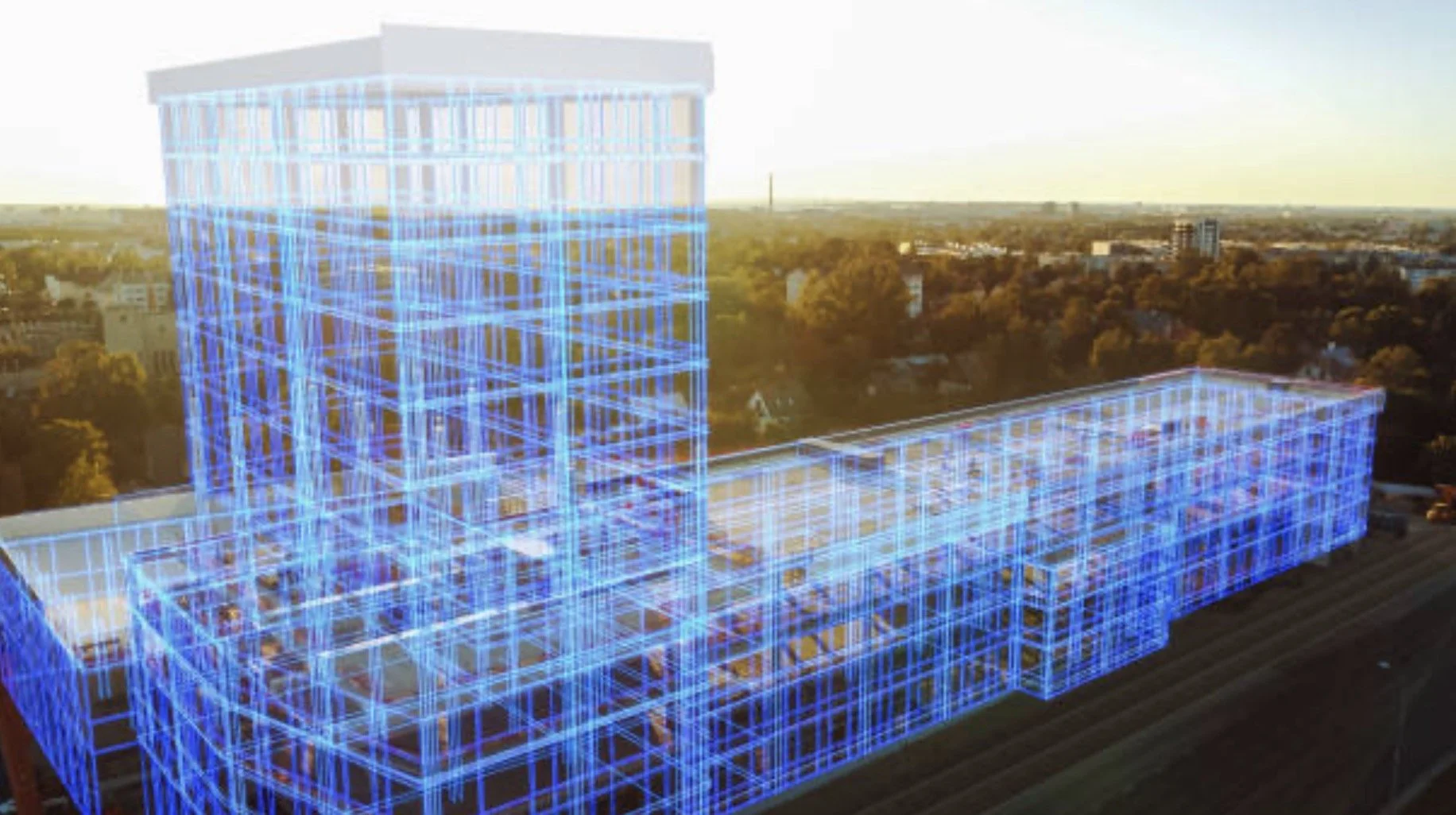
Building Digitization and why it Matters
In a world increasingly reliant on technology, the way we design, manage, and interact with buildings is undergoing a seismic shift. Building digitization—the process of creating precise digital replicas of physical spaces—is transforming industries ranging from real estate to construction, hospitality, and beyond.
In a world increasingly reliant on technology, the way we design, manage, and interact with buildings is undergoing a seismic shift. Building digitization—the process of creating precise digital replicas of physical spaces—is transforming industries ranging from real estate to construction, hospitality, and beyond. By combining advanced 3D scanning, LiDAR technology, and immersive virtual tools, companies like Lightbound 3D are leading the charge in bringing buildings online, making them accessible, functional, and future-ready.
This blog will explore why building digitization matters, the technologies driving it, and the real-world benefits it delivers across various industries.
What Is Building Digitization?
At its core, building digitization involves the creation of a digital twin—a highly accurate virtual representation of a physical structure. This can take the form of:
3D virtual tours: Interactive walkthroughs that allow users to explore spaces remotely.
Point cloud data: Detailed spatial data captured by LiDAR technology, enabling precise modeling.
Digital floor plans: Scaled layouts used for design, renovation, or operational planning.
These elements collectively offer a comprehensive view of a building, breaking the barriers of physical space and providing insights that were previously inaccessible.
Why Building Digitization Matters
1. Enhanced Accessibility
Digitized buildings can be accessed by anyone, anywhere, at any time. For industries like real estate, this means potential buyers or tenants can explore properties without stepping foot inside. Virtual tours empower stakeholders by providing a realistic sense of the space, helping them make informed decisions faster.
Lightbound 3D, for instance, has enabled clients to showcase properties to international buyers, reducing the need for costly and time-consuming site visits.
2. Improved Collaboration Across Stakeholders
From architects to contractors, building owners to facilities managers, digitization ensures everyone is on the same page. Digital models offer a shared platform where stakeholders can view, annotate, and collaborate in real-time. This unified approach minimizes miscommunication, streamlines workflows, and ensures the success of complex projects.
3. Efficiency in Renovation and Maintenance
One of the biggest challenges in renovations is understanding what lies beneath the surface—hidden pipes, electrical wiring, or structural elements. Digitization provides precise data that eliminates guesswork, allowing teams to plan renovations with confidence.
Lightbound 3D’s detailed scans have helped clients avoid costly errors during renovations, identifying potential challenges before they become problems.
4. Sustainability Through Smarter Resource Use
With building digitization, sustainability is no longer an afterthought. Digital models allow for precise energy modeling, helping organizations identify inefficiencies and optimize resource use. By reducing material waste and improving energy efficiency, digitization contributes to greener, more sustainable buildings.

Technologies Driving Building Digitization
LiDAR Scanning
LiDAR (Light Detection and Ranging) uses laser light to measure distances and create detailed 3D maps of spaces. This technology is a cornerstone of building digitization, enabling high-precision measurements that form the basis of digital twins.
3D Virtual Tour Platforms
Matterport and similar platforms revolutionize how spaces are presented, offering immersive and interactive experiences that bring buildings to life. These tools are especially valuable in industries like real estate and hospitality.
BIM Integration
Building Information Modeling (BIM) takes digitization to the next level by integrating detailed spatial data with operational and functional information. BIM models are invaluable for long-term building management, ensuring that digital assets remain relevant and actionable.
Industries Benefiting from Building Digitization
1. Real Estate
Digitization has transformed how properties are marketed and sold. Virtual tours attract buyers by offering immersive experiences, while floor plans and point cloud data provide actionable insights for renovations or redevelopments.
2. Construction and Architecture
Precise digital models ensure that every phase of construction is executed accurately. Architects can test designs within a digital twin, and contractors can plan more effectively, avoiding costly rework.
3. Facility Management
For facilities managers, digitized buildings provide a detailed view of every system and structure, enabling proactive maintenance and efficient space utilization.
4. Emergency Services
In critical situations, such as fires or natural disasters, having a detailed digital twin can save lives. Emergency responders can plan rescue operations using accurate layouts, gaining a clear understanding of the environment before entering.
The Future of Building Digitization
As technologies like AI and machine learning integrate with building digitization, the potential applications will continue to grow. Predictive analytics could optimize building performance, while augmented reality might allow users to overlay digital information onto physical spaces in real-time.
Lightbound 3D is already at the forefront of this evolution, using advanced scanning technologies to redefine how spaces are documented and utilized. Their commitment to innovation ensures that clients not only meet today’s challenges but are also prepared for the opportunities of tomorrow.
Conclusion
Building digitization is more than a trend; it’s a paradigm shift that’s redefining the way we interact with the built environment. Whether you’re in real estate, construction, or facility management, the benefits of digitization are clear: enhanced accessibility, improved collaboration, greater efficiency, and a path toward sustainability.
For Lightbound 3D, the mission is simple: to help clients bring their buildings online with precision and creativity. With over 1,400 successful scans and counting, their expertise ensures that your spaces are not just captured but truly transformed.
Ready to digitize your space? Contact Lightbound 3D today and take the first step toward a smarter, more connected future.

How Laser Scanning Helps Facilities Managers Maintain Their Commercial Buildings
Leverage the potential of laser scanning to improve your facilities management procedures, ensuring that your commercial properties are kept to the highest standards and continue to be a valuable resource for many years.
In the ever-evolving realm of real estate, digital transformation is no longer a futuristic concept but a present-day reality. Facilities managers, in particular, are reaping the benefits of this shift. One of the most groundbreaking advancements in this field is the advent of laser scanning and point cloud data, a technology that is transforming real estate management by providing precise and comprehensive data about buildings. Let's delve into how laser scanning, including 3D scanning services, is revolutionizing the maintenance of commercial buildings.
The Power of 3D Laser Scanning
Laser scanning, especially terrestrial laser scanning, involves the use of laser technology to capture detailed and accurate measurements of a building’s interior and exterior. This technology is crucial for facilities managers who need to maintain and manage commercial buildings efficiently.
Key Benefits of Laser Scanning for Facilities Management:
Accurate Data Collection
Laser scanning provides highly accurate data about a building's structure, dimensions, and layout. This data is essential for calculating the gross internal area (GIA) and gross floor area (GFA), critical metrics in facilities management. Understanding what the gross floor area means helps in planning maintenance schedules and managing space utilization effectively.
Detailed 3D Models
The data collected through laser scanning can be used to create detailed 3D models of buildings. These models are invaluable for visualizing the current state of the building, identifying potential issues, and planning renovations or maintenance tasks. They also support Building Information Management (BIM) processes, enabling better collaboration and information sharing among stakeholders.
Enhanced Maintenance Planning
Facilities managers can use 3D laser scanning services to detect wear and tear, structural issues, and other maintenance needs that are not always visible to the naked eye. Early detection allows for proactive maintenance, reducing the risk of costly repairs and downtime.
Efficiency and Cost Savings
By utilizing laser scanning, facilities managers can reduce the time and labor required for manual inspections and measurements. The efficiency gained through this technology translates into significant cost savings over time.
Accessibility of Data
3D scanning services are becoming more accessible for facilities managers, making it a practical option for buildings of any size. The digital transformation in real estate is making advanced tools like laser scanning more accessible and affordable.
Real-World Applications in Commercial Buildings
Facilities managers in various sectors, including AEC (Architecture, Engineering, and Construction), are leveraging laser scanning to improve their operations. Here are some practical applications:
Building Condition Assessments
Regular scans can help assess the condition of a building’s structure and systems, ensuring they are maintained to the highest standards.
Space Management
Accurate measurements of GIA and GFA allow for better space management, helping to optimize the use of available space and improve operational efficiency.
Renovation and Retrofit Projects
Detailed 3D models support renovation and retrofit projects by providing precise data for planning and execution. This minimizes errors and ensures that projects are completed on time and within budget.
Compliance and Safety
Laser scanning helps ensure compliance with safety regulations by providing accurate and up-to-date information about the building’s structure and systems.
Conclusion
Laser scanning is transforming real estate management by providing facilities managers with the tools they need to maintain and manage commercial buildings more effectively. As digital transformation in real estate continues to evolve, the adoption of advanced technologies like 3D laser scanning will become increasingly essential. Whether you are searching for "3D laser scanning services near me" or exploring how digital transformation in real estate can benefit your operations, laser scanning offers a wealth of advantages that can help you stay ahead in the competitive world of facilities management.
Embrace the power of laser scanning to enhance your facilities management practices, ensuring that your commercial buildings are maintained to the highest standards and remain a valuable asset for years to come.

The Essentials of Effective Laser Scanning for Building Projects
Laser scanning technology has revolutionized the way we approach construction and architectural projects. Utilizing highly detailed and accurate measurements, 3D laser scanning services are critical in capturing existing conditions and facilitating efficient project planning and management. Whether it's a restoration, renovation, or new construction, understanding the best practices for effective laser scanning can dramatically improve the accuracy and utility of your final models.
The Essentials of Effective Laser Scanning for Building Projects
Laser scanning technology has revolutionized the way we approach construction and architectural projects. Utilizing highly detailed and accurate measurements, 3D laser scanning services are critical in capturing existing conditions and facilitating efficient project planning and management. Whether it's a restoration, renovation, or new construction, understanding the best practices for effective laser scanning can dramatically improve the accuracy and utility of your final models.
1. Choosing the Right Scanner for the Job
The type of scanner plays a crucial role in the success of a laser scanning project. Terrestrial laser scanning (TLS) systems are renowned for their accuracy and are ideal for detailed construction projects. These high-resolution 3D laser scanners provide detailed point cloud data necessary for creating precise 3D BIM models. Facilities managers and project planners should seek out “3D scanning services near me” to find local expertise and cutting-edge equipment.
2. Understanding Measurements and Areas
Laser scanning helps accurately capture both the gross floor area and gross internal area, which are vital for planning and regulatory compliance. The gross floor area means the total area enclosed within the building, including walls, while the gross internal area covers the total area of all floors within the shell of the building. Accurate capture of these measurements ensures that all planning and design activities are based on true physical dimensions.
3. Integration with BIM (Building Information Modeling)
Integrating laser scan data into BIM platforms is a cornerstone of modern AEC (Architecture, Engineering, and Construction) practices. A 3D BIM model enriched with scan data from existing conditions allows architects and engineers to visualize and manipulate real-world conditions in a virtual environment. This integration supports everything from project management to reverse engineering.
4. Maximizing the Level of Detail
The level of detail (LOD) in your captured data can significantly affect your project’s outcomes. For projects requiring high fidelity, it's important to utilize scanners that can capture built data at the desired resolution. This highly detailed point cloud data is essential for creating accurate floor plans and facilitating reality capture, which is crucial for complex or sensitive projects.
5. Effective Project Management
Effective management of laser scanning activities involves careful planning and coordination. Ensure that the scope of scanning provides comprehensive coverage of all necessary areas. Utilize experienced scan technicians who understand the nuances of construction projects and can optimize the scanning process to capture all relevant data efficiently.
6. Use of Advanced Processing Software
Once the scan data is collected, it needs to be processed into usable formats. Advanced software can transform raw data into formats that are compatible with BIM software, enhancing the utility of the captured data. This processing is crucial for ensuring that the data can be effectively used for design, analysis, and decision-making.
7. Regular Calibration and Maintenance of Equipment
To ensure that 3D laser scanners and other related equipment deliver accurate measurements, regular calibration and maintenance are essential. This preventative measure helps avoid potential discrepancies in scan data, which can lead to costly mistakes and delays in construction projects.
8. Collaboration and Communication
Laser scanning projects require the collaboration of various stakeholders, including architects, engineers, construction managers, and facilities managers. Effective communication among all parties ensures that the scan data meets the project’s requirements and supports all phases of the construction lifecycle.
Conclusion
Laser scanning is a powerful tool in the arsenal of modern AEC professionals, offering a path to more accurate, efficient, and detailed building analysis and project management. By following these best practices, professionals can leverage this technology to its full potential, ensuring that their construction projects are not only successful but also optimal in terms of cost, time, and resources. For those seeking “scan services near me,” remember to look for providers that offer the latest in 3D laser scanning technology and have a robust portfolio of successful projects.

Transforming the AEC Landscape: The Revolutionary Impact of Laser Scanning
The Architecture, Engineering, and Construction (AEC) industries are undergoing a significant transformation, driven by the integration of advanced technologies. Among these, laser scanning stands out as a pivotal innovation, revolutionizing project planning, execution, and management. This blog post delves into the myriad benefits of laser scanning, illustrating how it is reshaping the AEC industries.
The Architecture, Engineering, and Construction (AEC) industries are undergoing a significant transformation, driven by the integration of advanced technologies. Among these, laser scanning stands out as a pivotal innovation, revolutionizing project planning, execution, and management. This blog post delves into the myriad benefits of laser scanning, illustrating how it is reshaping the AEC industries.
Precision and Accuracy
Laser scanning, also known as 3D scanning or LiDAR, employs laser light to precisely measure and capture the environment in three dimensions. This technology enables the creation of detailed digital replicas of physical sites, known as point clouds. The accuracy of laser scanning is unparalleled, capturing minute details and irregularities that traditional survey methods might miss. This precision facilitates error detection early in the design phase, reducing costly revisions during construction.
Time and Cost Efficiency
One of the most compelling advantages of laser scanning is its efficiency. Traditional surveying methods are time-consuming and labor-intensive, often requiring multiple site visits. In contrast, laser scanning can capture comprehensive data in a single visit, dramatically reducing man-hours and associated costs. The speed of data acquisition also means that projects can move forward more rapidly, shortening the overall project timeline.
Enhanced Collaboration and Communication
The digital models generated from laser scans can be shared across teams, irrespective of their physical location. This fosters better collaboration and communication among architects, engineers, and construction professionals. Stakeholders can visualize the project in a detailed and interactive 3D environment, making it easier to discuss plans, identify potential issues, and make informed decisions.
Risk Mitigation
Laser scanning plays a crucial role in risk management within the AEC industries. By providing accurate measurements and detailed models of existing conditions, it helps in identifying hazards and planning mitigation strategies beforehand. This proactive approach not only ensures the safety of the construction crew but also minimizes the risk of project delays and cost overruns.
Sustainability
Sustainability is a growing concern in the AEC industries. Laser scanning contributes to sustainable practices by enabling precise material estimations, thus reducing waste. Moreover, the ability to retrofit and rehabilitate existing structures with laser-scanned data supports the preservation of cultural heritage and reduces the need for new materials and construction, aligning with eco-friendly objectives.
Facility Management and Future Modifications
Post-construction, the detailed data acquired through laser scanning prove invaluable for facility management and future modifications. Facility managers can use the digital models for maintenance planning, space management, and energy analysis. Additionally, if modifications are required, the existing digital model provides a precise baseline for planning changes, saving time and resources.
Conclusion
The benefits of laser scanning for the AEC industries are profound and multifaceted. By offering unparalleled precision, efficiency, and collaboration, laser scanning is not just an option but a necessity for modern construction projects. It paves the way for safer, more sustainable, and cost-effective practices, ensuring the long-term success and resilience of the AEC industries. As technology continues to advance, the integration of laser scanning will undoubtedly become more widespread, further enhancing its impact on the field. The future of construction lies in embracing these technological innovations, with laser scanning leading the charge in transforming the AEC landscape.

Introducing ONE+ Property Management Solution: Revolutionizing Real Estate Management
In the ever-evolving world of real estate, staying ahead of the curve is paramount for success. Today, we are thrilled to unveil a groundbreaking solution that is set to redefine the standards of property management - the ONE+ Property Management Solution. Designed to cater to the multifaceted needs of modern real estate professionals, this comprehensive suite of tools leverages cutting-edge technology to deliver an unmatched level of efficiency, accuracy, and insight into property management.
In the ever-evolving world of real estate, staying ahead of the curve is paramount for success. Today, we are thrilled to unveil a groundbreaking solution that is set to redefine the standards of property management - the ONE+ Property Management Solution. Designed to cater to the multifaceted needs of modern real estate professionals, this comprehensive suite of tools leverages cutting-edge technology to deliver an unmatched level of efficiency, accuracy, and insight into property management.
A Comprehensive Solution for Modern Challenges
At the heart of the ONE+ Property Management Solution is a commitment to solving the complex challenges faced by property managers, real estate agents, and developers. With a focus on integrating technology seamlessly into the property management process, ONE+ offers a holistic approach to managing property inventory, providing immersive 3D virtual reality (VR) tours, conducting precise floor area inspections, creating detailed 3D models and 2D floor plans, and generating comprehensive energy analysis reports.
Assessing Property Inventory with Precision
The ONE+ system streamlines the process of property inventory management by offering a user-friendly platform that allows for the easy tracking and assessment of property assets. With real-time data updates and customizable inventory lists, users can maintain an up-to-date overview of their properties, ensuring efficient management and quick decision-making.
Immersive 3DVR Tours
In today's digital age, the ability to provide potential buyers or renters with an immersive viewing experience is invaluable. ONE+ steps up to this demand by offering 3DVR tours that allow users to explore properties virtually, from anywhere in the world. This feature not only enhances the viewing experience but also broadens the reach to potential clients, making it easier to showcase properties in their best light.
Inspecting Floor Areas with Unmatched Accuracy
Accuracy in floor area inspections is crucial for property valuation, space management, and legal compliance. The ONE+ solution incorporates advanced technology to provide precise measurements and inspections of floor areas. This ensures that property managers and agents have access to reliable data for making informed decisions regarding property layouts, renovations, and optimizations.
Creating 3D Models and 2D Floor Plans
Visual representation of properties is made easy with ONE+'s capabilities to generate detailed 3D models and 2D floor plans. These tools are essential for marketing properties, planning renovations, or simply providing clients with a clear understanding of a property's layout and potential. With easy-to-use features, users can create professional-quality visuals that enhance property presentations and listings.
Comprehensive Energy Analysis Reports
Sustainability and energy efficiency are increasingly important considerations in the real estate market. The ONE+ Property Management Solution includes a feature for generating comprehensive energy analysis reports. These reports provide valuable insights into a property's energy consumption, potential energy savings, and recommendations for improving efficiency. This not only aids in reducing environmental impact but also offers cost savings for property owners and tenants.
Revolutionizing Real Estate Management
The ONE+ Property Management Solution represents a significant leap forward in real estate management technology. By integrating a wide range of functionalities into a single, user-friendly platform, ONE+ empowers real estate professionals to manage their properties more effectively and efficiently than ever before. Whether you're looking to enhance property presentations, streamline inventory management, or gain insights into energy efficiency, ONE+ offers the tools and technology to achieve your goals.
In a world where technology continues to transform every aspect of our lives, embracing innovations like the ONE+ Property Management Solution is key to staying competitive and successful in the real estate industry. Join us in revolutionizing property management and discover how ONE+ can elevate your real estate business to new heights.