

The Power of Virtual Staging: Transforming Real Estate Marketing
Virtual staging not only enhances listing photos but also helps buyers envision the potential of a space. By digitally furnishing, remodeling, or redesigning a property, virtual staging can attract more interest, sell homes faster, and maximize sale prices. Let’s explore how this innovative technology is revolutionizing real estate marketing.
Introduction
In today’s competitive real estate market, standing out is more important than ever. Buyers are drawn to homes that feel inviting, modern, and stylish, yet not every property is ready for a perfect photoshoot. Virtual staging has emerged as a game-changing solution, allowing sellers, agents, and developers to present homes in their best light without the expense or hassle of physical staging.
Virtual staging not only enhances listing photos but also helps buyers envision the potential of a space. By digitally furnishing, remodeling, or redesigning a property, virtual staging can attract more interest, sell homes faster, and maximize sale prices. Let’s explore how this innovative technology is revolutionizing real estate marketing.
What Is Virtual Staging?
Virtual staging is the process of digitally furnishing and enhancing photos of vacant or outdated spaces to make them more appealing to potential buyers. Using advanced rendering techniques, professional designers create realistic, high-quality visuals that bring empty rooms to life. Whether a home needs contemporary furniture, a remodeled kitchen, or a complete style overhaul, virtual staging makes it possible—all without the cost and logistics of traditional staging.
Unlike physical staging, which involves renting and transporting real furniture, virtual staging is done entirely through software. The result? A seamless, photorealistic representation of the space that helps buyers emotionally connect with the property.
The Benefits of Virtual Staging
1. Cost-Effective and Efficient
Traditional home staging can cost thousands of dollars per month, particularly for luxury properties. Virtual staging, on the other hand, provides a one-time, affordable solution that achieves the same result—making a home look move-in ready and desirable. By eliminating the need for furniture rentals, delivery fees, and labor costs, sellers can achieve professional-grade marketing materials at a fraction of the price.
2. Faster Sales and Higher Offers
Homes that look well-designed and furnished tend to sell faster. Buyers often struggle to visualize how an empty space would look with furniture, which can make them hesitant to commit. A virtually staged home allows them to see the full potential of the space, leading to quicker decisions and, often, higher offers. Properties that appear well-maintained and move-in ready tend to command top dollar in the market.
3. Flexible Design Options
Every buyer has a unique taste, and what appeals to one might not work for another. Virtual staging allows for customization, offering different styles to match the target audience. Whether the property is suited for modern, rustic, industrial, or minimalist décor, virtual staging can tailor the design to fit the ideal buyer’s preferences. Sellers can even provide multiple design options to showcase the home’s versatility.
4. Ideal for Vacant or Outdated Homes
Vacant homes can feel cold and uninspiring, while outdated homes may turn off potential buyers who struggle to see past the current design. Virtual staging breathes new life into these properties, helping them compete with professionally staged homes. It allows buyers to focus on the property’s true potential rather than its current condition.
5. Enhancing Online Listings
In the digital age, online listings are often the first impression buyers have of a property. High-quality photos that showcase a beautifully staged home are more likely to capture interest and generate inquiries. Since most homebuyers start their search online, virtual staging provides a competitive edge by making listings more visually appealing and engaging.
How Virtual Staging Works
The process of virtual staging is simple and efficient:
Photograph the Property – High-resolution images of the vacant or outdated space are taken to serve as the foundation for virtual staging.
Choose a Design Style – Sellers and agents can select from various interior design styles that best suit the property and its target audience.
Professional Rendering – Designers digitally furnish the space, adding furniture, decor, and enhancements that align with the chosen style.
Review and Revise – Clients can request revisions to ensure the final images meet their expectations.
Use in Marketing – The finished, professionally staged images are added to listings, brochures, and social media campaigns to attract potential buyers.
This seamless process makes virtual staging a highly effective marketing tool with a quick turnaround time.
Why Choose Professional Virtual Staging?
With the rise of digital marketing, many DIY virtual staging apps and services have emerged. However, not all virtual staging is created equal. Professional virtual staging services offer high-quality, photorealistic results that make a home look genuinely inviting and livable.
What Sets Professional Virtual Staging Apart?
✔ Free Revisions – Ensuring that the final images meet the client’s expectations. ✔ Quality Results – Using expert designers and advanced rendering techniques to create stunning visuals. ✔ Personalized Team – A dedicated team that understands the nuances of real estate marketing. ✔ Happiness Guaranteed – Delivering satisfaction through professional craftsmanship and attention to detail.
When selecting a virtual staging provider, it’s essential to work with experts who understand how to create natural lighting, realistic textures, and furniture placement that enhances the flow of a space. Poorly executed virtual staging can make a home look artificial and unappealing, deterring buyers rather than attracting them.
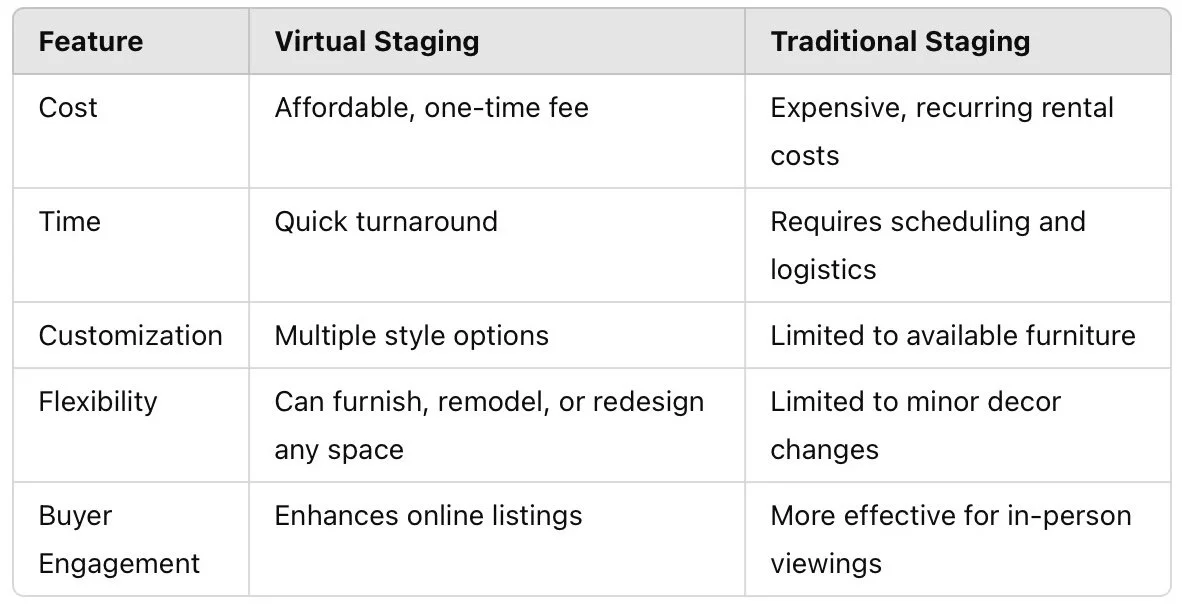
While traditional staging is still a great option for high-end properties or model homes, virtual staging offers unmatched flexibility and cost-effectiveness for most sellers.
The Future of Virtual Staging
As technology advances, virtual staging is becoming even more sophisticated. Innovations in AI and 3D rendering allow for hyper-realistic staging that is nearly indistinguishable from real furniture. Future trends include:
Interactive 3D Virtual Tours – Buyers can walk through a staged home virtually, enhancing the online viewing experience.
Augmented Reality (AR) Staging – Potential buyers can use AR apps to see different furniture styles and layouts in real-time.
Smart Staging Suggestions – AI-driven recommendations based on buyer preferences and demographics.
Virtual staging is no longer just an alternative to traditional staging—it’s becoming a standard in real estate marketing.
Conclusion
In an industry where first impressions matter, virtual staging is an invaluable tool for real estate professionals. It enhances property listings, attracts more buyers, and helps homes sell faster and at higher prices. By digitally furnishing, remodeling, or redesigning any space, virtual staging provides a cost-effective, flexible, and highly impactful solution for showcasing a property’s full potential.
Whether you’re an agent, developer, or homeowner looking to maximize your sale, virtual staging is a game-changing investment. If you're ready to transform your listings and captivate buyers, now is the time to embrace the future of real estate marketing.
Want to see how virtual staging can elevate your listings? Contact us today to get started!

How Virtual Tours Increase Efficiency in the Hospitality Industry
The hospitality industry is built on creating memorable experiences, from individual guest stays to large-scale events like weddings and corporate conferences. One of the most effective tools that have emerged to enhance efficiency and improve customer satisfaction in this sector is the use of virtual tours. By providing prospective guests and event planners with immersive, interactive views of rooms, venues, and facilities, virtual tours have revolutionized the booking process and streamlined event planning.
The hospitality industry is built on creating memorable experiences, from individual guest stays to large-scale events like weddings and corporate conferences. One of the most effective tools that have emerged to enhance efficiency and improve customer satisfaction in this sector is the use of virtual tours. By providing prospective guests and event planners with immersive, interactive views of rooms, venues, and facilities, virtual tours have revolutionized the booking process and streamlined event planning.
Transforming the Room Booking Process
In the digital age, guests expect convenience and transparency when booking a room at a hotel or resort. Static images and generic descriptions no longer suffice when potential customers are making their decisions. Virtual tours allow them to explore the property in a much more detailed and realistic way from the comfort of their homes or offices.
Guests can walk through a hotel’s lobby, explore different room types, and check out amenities like the gym, pool, and spa. This level of interaction provides clarity on room size, layout, and views, reducing uncertainty and increasing the likelihood of bookings. Virtual tours are especially beneficial for high-end hotels and resorts, where customers are looking for luxurious experiences and want to ensure that the room meets their expectations before making a significant financial commitment.
By giving customers the ability to "virtually visit" the property, hotels reduce the time spent answering detailed questions about rooms or services. This improves productivity by allowing sales teams to focus on handling more direct inquiries, finalizing bookings, or upselling premium services.
Enhancing Event Planning Efficiency
For event planners, organizing large gatherings like weddings, conferences, or corporate retreats often requires several visits to a venue. Traditionally, this has been a time-consuming process, with clients needing to walk through spaces, discuss setup options, and envision how the event will unfold in different areas of the property.
With virtual tours, event planners can get a comprehensive view of the venue without needing to visit in person. They can tour ballrooms, outdoor spaces, meeting rooms, and even kitchen facilities. This allows them to visualize event setups, plan seating arrangements, and assess the flow of foot traffic—all without being physically present.
Moreover, virtual tours often include measurement tools that help planners determine whether a particular space will suit their needs in terms of dimensions or capacity. This helps eliminate guesswork and minimizes the need for multiple site visits, speeding up the planning process and reducing the burden on the venue's staff.
Reducing Cancellations and Improving Customer Satisfaction
One of the biggest challenges for the hospitality industry is cancellations or dissatisfaction due to unmet expectations. Virtual tours significantly mitigate this risk. Because potential guests or event planners get a highly accurate view of the space, they are less likely to feel disappointed when they arrive in person.
This transparency also leads to higher customer satisfaction rates, as guests and planners know exactly what they are getting. By setting clear expectations upfront, hotels and event venues are better positioned to deliver a positive experience, leading to better reviews and increased repeat business.
Boosting Marketing and Sales Efforts
Virtual tours don’t just improve operational efficiency; they also serve as a powerful marketing tool. Properties that showcase their spaces through interactive tours tend to stand out from the competition. Prospective customers can engage with the property in a more meaningful way, leading to higher conversion rates and increased bookings.
By integrating virtual tours into websites, emails, and social media, hotels can reach a wider audience and generate more interest in their offerings. This, in turn, leads to more inquiries and ultimately, more bookings, all while saving time for sales and marketing teams.
Conclusion
In a highly competitive hospitality industry, efficiency is key to maintaining profitability and customer satisfaction. Virtual tours have proven to be a valuable tool, transforming the room booking process, streamlining event planning, and reducing cancellations. For hotels, resorts, and event venues, investing in virtual tour technology is not only a way to stay competitive but also a means of driving productivity and delivering a superior guest experience.
Transforming Spaces with Virtual Staging: From Cluttered to Chic
In the world of real estate and interior design, first impressions are everything. The way a space is presented can significantly impact its perceived value and appeal. At Lightbound 3D, we specialize in using advanced technologies to bring out the best in every property. One of our most effective tools is virtual staging, a process that transforms cluttered, empty, or outdated spaces into beautifully styled environments.
Introduction
In the world of real estate and interior design, first impressions are everything. The way a space is presented can significantly impact its perceived value and appeal. At Lightbound 3D, we specialize in using advanced technologies to bring out the best in every property. One of our most effective tools is virtual staging, a process that transforms cluttered, empty, or outdated spaces into beautifully styled environments. In this blog post, we'll dive deep into the power of virtual staging, showcasing its benefits, the process involved, and how it can elevate any property. We'll also take a detailed look at some before-and-after examples to illustrate just how transformative virtual staging can be.
The Power of First Impressions
When potential buyers or renters walk into a property, their first impression can set the tone for their entire experience. A well-staged home can evoke feelings of warmth, comfort, and aspiration, making it easier for viewers to envision themselves living in the space. Conversely, a cluttered or empty room can feel cold and uninviting, making it harder for viewers to connect with the property.
Virtual staging bridges this gap by providing a realistic, visually appealing representation of what a space could look like when furnished and decorated. Unlike traditional staging, which can be time-consuming and expensive, virtual staging is efficient, cost-effective, and highly customizable.
What is Virtual Staging?
Virtual staging is the process of using digital technology to furnish and decorate a property. It involves creating realistic, computer-generated images of furniture, décor, and other elements to enhance the appearance of a room. This technique allows for a high degree of flexibility, enabling designers to experiment with different styles, layouts, and color schemes without the need for physical furniture.
At Lightbound 3D, we leverage the latest in 3D modeling and rendering software to produce stunningly realistic virtual staging. Our team of skilled designers works closely with clients to understand their vision and bring it to life through digital transformation.
Benefits of Virtual Staging
1. Cost-Effectiveness
Traditional staging can be expensive, requiring the rental or purchase of furniture, décor, and other elements. Additionally, there's the cost of hiring a professional stager to arrange everything. Virtual staging eliminates these costs, providing a more affordable solution that doesn't compromise on quality.
2. Flexibility
With virtual staging, the possibilities are endless. Designers can easily experiment with different styles, layouts, and color schemes to find the perfect look for a property. This flexibility allows for quick adjustments and refinements, ensuring the final result is exactly what the client envisions.
3. Time Efficiency
Traditional staging can take days or even weeks to complete, depending on the scope of the project. Virtual staging, on the other hand, can be completed in a fraction of the time. This speed is particularly beneficial in the fast-paced real estate market, where properties need to be listed and shown quickly.
4. Realistic and High-Quality Visuals
Modern virtual staging technology allows for incredibly realistic and high-quality visuals. At Lightbound 3D, we use advanced 3D rendering techniques to create images that are virtually indistinguishable from real photographs. This level of realism helps potential buyers or renters better understand the potential of a space.
5. Customization
Virtual staging offers a level of customization that traditional staging can't match. Designers can tailor every element of the staging to suit the target audience, whether it's modern, traditional, minimalist, or eclectic. This customization ensures that the staging resonates with the specific tastes and preferences of potential buyers or renters.
The Virtual Staging Process
The virtual staging process at Lightbound 3D involves several key steps:
1. Initial Consultation
The process begins with an initial consultation to understand the client's vision and goals. During this stage, we discuss the desired style, layout, and any specific elements the client wants to include. We also gather information about the property, including floor plans and photographs.
2. Digital Modeling
Next, our team of designers creates a digital model of the property using advanced 3D modeling software. This model serves as the foundation for the virtual staging process.
3. Furnishing and Decorating
Once the digital model is complete, we begin the process of furnishing and decorating the space. Using high-quality 3D assets, we add furniture, décor, and other elements to create a visually appealing and cohesive look. We pay close attention to details such as lighting, shadows, and textures to ensure the final images are as realistic as possible.
4. Review and Refinement
After the initial staging is complete, we present the images to the client for review. This stage allows for feedback and refinements to ensure the final result aligns with the client's vision. We make any necessary adjustments to the staging based on the client's input.
5. Final Delivery
Once the staging is finalized, we deliver the high-resolution images to the client. These images can be used for marketing materials, online listings, and other promotional efforts.
Before and After: A Closer Look
To illustrate the transformative power of virtual staging, let's take a closer look at some before-and-after examples from our recent projects.
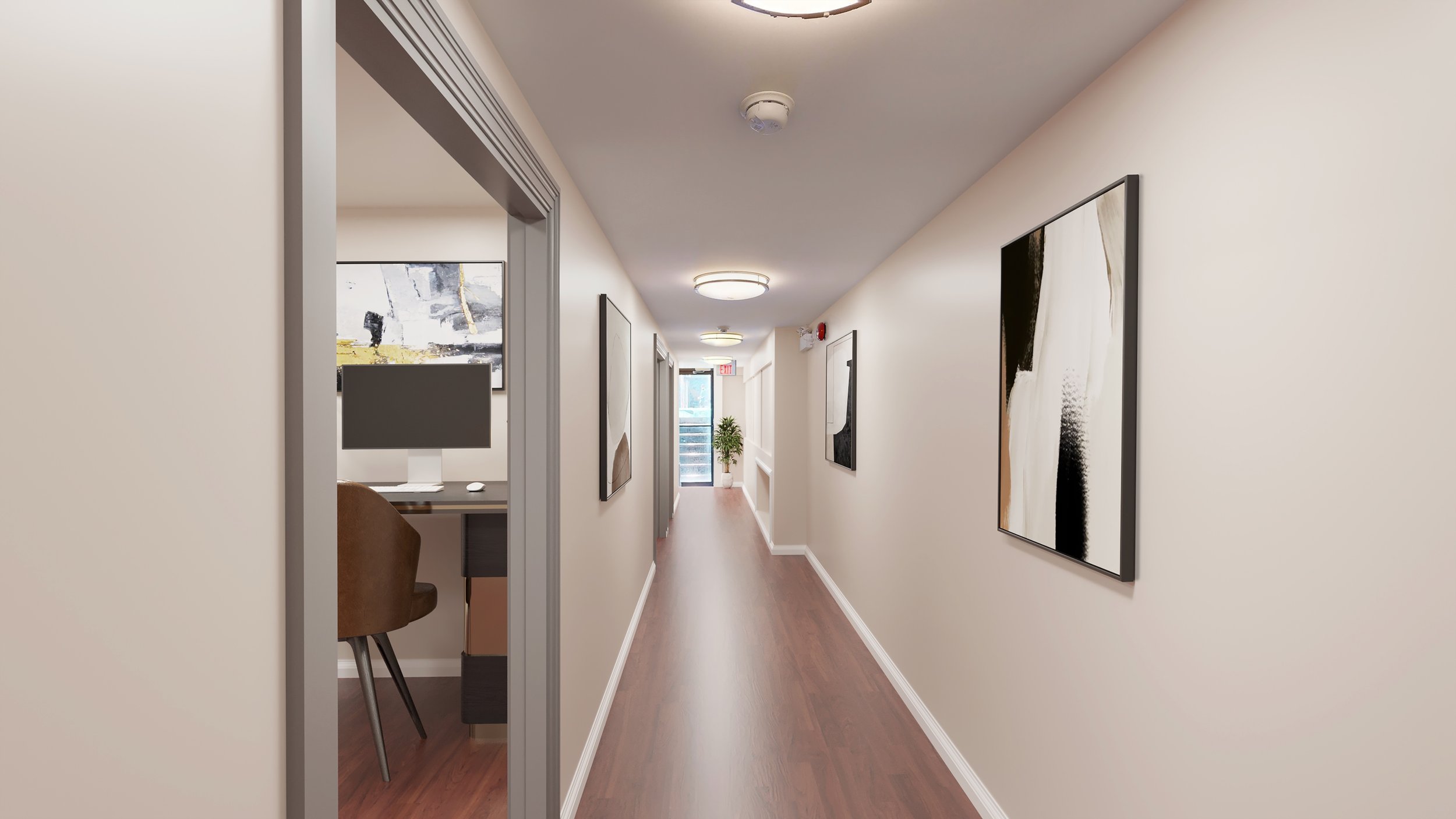
Example 1: From Cluttered to Chic
In this first example, we transformed a cluttered living space into a stylish and inviting environment. The before image shows a room filled with personal belongings, cluttered surfaces, and an overall lack of cohesion. This setup makes it difficult for potential buyers to see the room's potential.
Before:

The after image, on the other hand, showcases a beautifully staged living area with modern furniture, coordinated décor, and a clean, organized layout. The transformation highlights the room's best features and creates a welcoming atmosphere.
After:

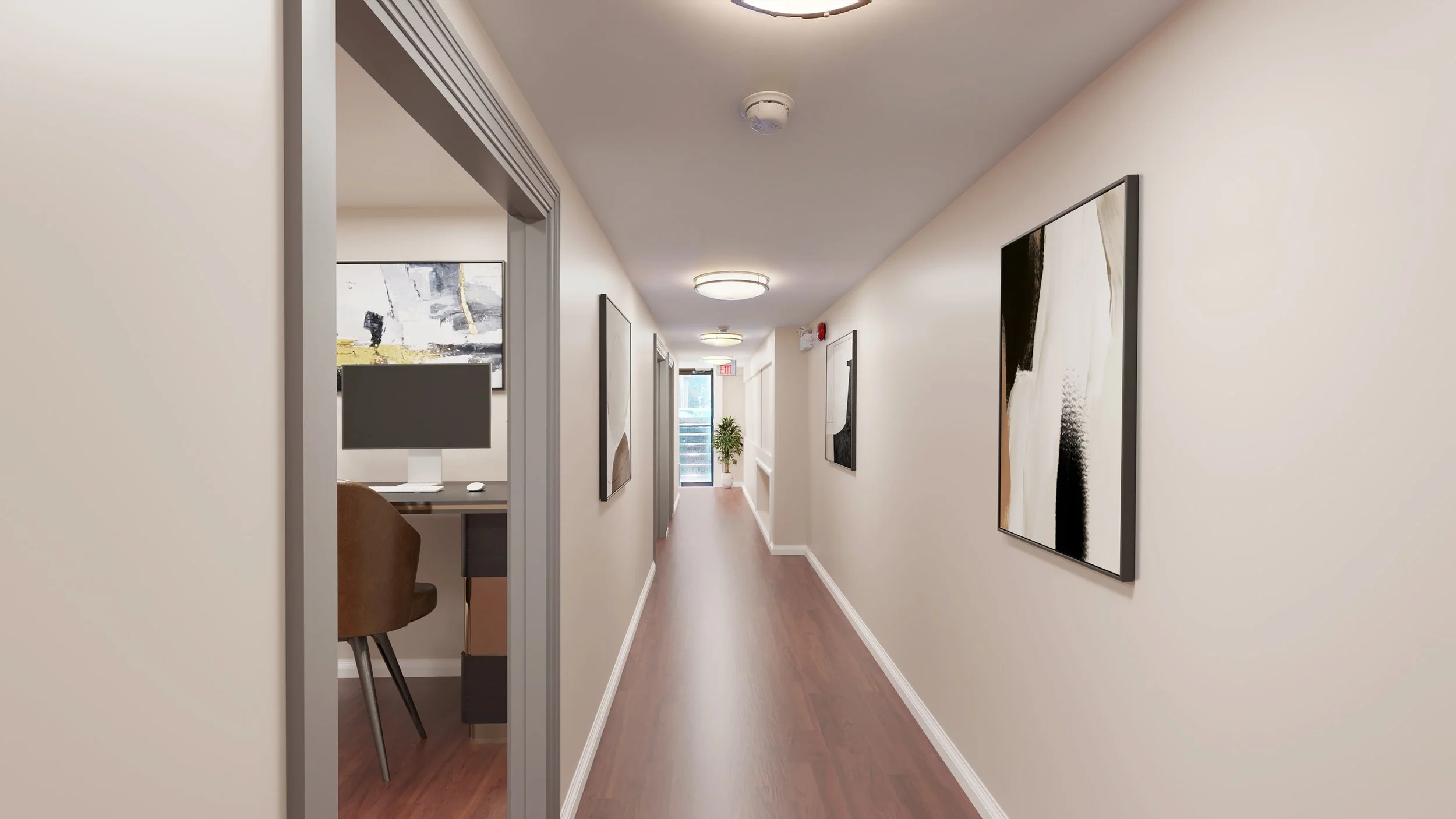
Example 2: Hallway Transformation
In this second example, we tackled a narrow, cluttered hallway. The before image shows a space filled with miscellaneous items, creating a sense of disorganization and making the hallway appear cramped.
Before:

The after image reveals a sleek, clean hallway with minimalistic décor and strategic lighting. The transformation not only improves the hallway's aesthetic appeal but also makes it feel more spacious and inviting.
After:
The Impact on Real Estate Sales
Virtual staging isn't just about making a property look good; it's about driving real results in the real estate market. Studies have shown that staged homes sell faster and for higher prices than their unstaged counterparts. By providing potential buyers with a clear vision of what a space can look like, virtual staging helps them form an emotional connection with the property.
Faster Sales
Properties that are virtually staged tend to spend less time on the market. This speed is particularly valuable in competitive markets where time is of the essence. Buyers are more likely to make quick decisions when they can easily envision themselves living in a beautifully staged home.
Higher Offers
Virtual staging can also lead to higher offers. When a property is presented in its best light, it creates a sense of value and desirability. Buyers are often willing to pay more for a home that feels move-in ready and aesthetically pleasing.
Broader Appeal
Virtual staging allows for customization that can cater to a broad range of tastes and preferences. This broad appeal increases the likelihood of attracting multiple offers, creating a competitive environment that can drive up the final sale price.
Conclusion
Virtual staging is a powerful tool that can transform any property into a stunning, market-ready space. At Lightbound 3D, we are dedicated to helping our clients showcase their properties in the best possible light. Through our advanced virtual staging techniques, we create realistic, high-quality images that highlight the true potential of every room.
Whether you're a real estate agent looking to sell a property quickly, a homeowner wanting to present your space in the best way, or a developer aiming to market new construction, virtual staging offers a cost-effective, flexible, and impactful solution. The examples we've shared demonstrate just how transformative virtual staging can be, turning cluttered and uninviting spaces into stylish and desirable environments.
If you're interested in learning more about our virtual staging services or seeing additional examples of our work, please visit our website or contact us directly. Let us help you make a lasting impression and achieve your real estate goals with the power of virtual staging.
Call to Action
Ready to transform your property with virtual staging? Contact Lightbound 3D today to schedule a consultation and discover how our services can elevate your space. Visit our website at www.lightbound3d.com/virtual-staging-made-easy or call us at (437) 775-9000. Follow us on social media for more before-and-after transformations and design inspiration!
The Benefits of Virtual Staging in the Real Estate Market
In today's digital age, technology continues to revolutionize various industries, and real estate is no exception. One of the most impactful innovations in real estate marketing is virtual staging. This process involves digitally furnishing and decorating a property to showcase its potential, and it offers numerous benefits to both sellers and buyers. Here, we delve into the key advantages of virtual staging and how it is transforming the real estate market.
In today's digital age, technology continues to revolutionize various industries, and real estate is no exception. One of the most impactful innovations in real estate marketing is virtual staging. This process involves digitally furnishing and decorating a property to showcase its potential, and it offers numerous benefits to both sellers and buyers. Here, we delve into the key advantages of virtual staging and how it is transforming the real estate market.
1. Enhanced Visual Appeal
First impressions matter, especially in real estate. Properties that are visually appealing are more likely to attract potential buyers. Virtual staging allows real estate agents and sellers to present properties in the best possible light by adding stylish furniture, decor, and even making slight modifications to the interiors. This enhanced visual appeal helps potential buyers envision themselves living in the space, which can significantly increase their interest in the property.
2. Cost-Effective Solution
Traditional staging can be expensive and time-consuming. It involves renting furniture, hiring a staging company, and potentially even storage costs for existing furniture. Virtual staging, on the other hand, is a cost-effective alternative. It eliminates the need for physical furniture and the associated logistical challenges. For a fraction of the cost, sellers can have high-quality, visually appealing images that make their property stand out in the market.
3. Faster Sales
Properties that are virtually staged tend to sell faster. According to the Real Estate Staging Association, staged homes sell 73% faster than non-staged homes. This is because virtual staging helps create an emotional connection with buyers. When buyers can see a property as a finished product, they are more likely to make quicker decisions. This reduction in the time a property spends on the market can be a significant advantage for sellers.
4. Flexibility and Customization
One of the standout benefits of virtual staging is its flexibility. Unlike traditional staging, where physical furniture must be moved in and out, virtual staging allows for quick changes and customizations. If a particular style or arrangement doesn't appeal to potential buyers, it can be easily altered in the digital images. This flexibility ensures that the property can be tailored to meet the preferences of a diverse range of buyers.
5. Overcoming the Empty Room Challenge
Empty rooms can be difficult for buyers to interpret. They often struggle to visualize how furniture will fit and how the space can be utilized. Virtual staging fills this gap by providing context. It helps buyers understand the scale and functionality of each room, making it easier for them to see how their own furniture and belongings would fit into the space. This visualization can make a significant difference in their decision-making process.
6. Highlighting Potential
Virtual staging isn't just about adding furniture; it can also highlight a property's potential by showcasing different uses for spaces. For example, a small room can be staged as a home office, a nursery, or a guest room, depending on the target market. This ability to demonstrate various possibilities can broaden the appeal of the property and attract a wider range of buyers.
7. Improving Online Listings
In today's real estate market, the majority of buyers start their search online. High-quality photos are crucial for making a strong first impression. Virtual staging enhances online listings by providing visually compelling images that capture attention. Well-staged photos can increase the number of clicks and views a listing receives, leading to more inquiries and showings.
8. Adapting to Market Trends
Real estate trends and buyer preferences can change rapidly. Virtual staging allows sellers and agents to quickly adapt to these changes without the need for new furniture or decor. Whether it's a shift towards minimalist design or a preference for home offices, virtual staging can be adjusted to reflect the latest trends, ensuring that the property remains competitive in the market.
9. Reducing the Need for Physical Visits
Given the rise of virtual tours and remote buying, virtual staging plays a crucial role in providing a comprehensive view of the property. Potential buyers can get a better sense of the space without needing to visit in person, which is particularly beneficial in times of travel restrictions or for out-of-town buyers. This convenience can expedite the buying process and lead to quicker sales.
10. Environmental Benefits
Lastly, virtual staging is an environmentally friendly option. It reduces the need for physical resources such as furniture, transportation, and waste associated with traditional staging. By opting for digital solutions, the real estate industry can contribute to sustainability efforts and reduce its carbon footprint.
Conclusion
Virtual staging is a powerful tool in the modern real estate market. Its ability to enhance visual appeal, provide cost-effective solutions, and offer unparalleled flexibility makes it an attractive option for sellers and agents alike. As technology continues to advance, virtual staging will likely become an even more integral part of real estate marketing strategies, helping properties to sell faster and at higher prices.
By leveraging the benefits of virtual staging, real estate professionals can stay ahead in a competitive market, providing potential buyers with a clear vision of their future home.

Exploring New Dimensions: The Future of 3D Virtual Tours
The 3D virtual tour industry is on the brink of a revolutionary leap, driven by groundbreaking advancements and an insatiable appetite for immersive experiences. As we delve into 2024, several key trends are shaping the future of virtual tours, promising to transform how we interact with spaces digitally, making them indispensable in real estate, tourism, hospitality and education.
The 3D virtual tour industry is on the brink of a revolutionary leap, driven by groundbreaking advancements and an insatiable appetite for immersive experiences. As we delve into 2024, several key trends are shaping the future of virtual tours, promising to transform how we interact with spaces digitally.
Augmented Reality Takes Center Stage: Augmented Reality (AR) is redefining the virtual tour experience, offering users an unparalleled level of interaction and engagement. By overlaying digital information onto the real world, AR enhances virtual tours, making them more informative and immersive. Hello Apple Vision Pro!
360 Virtual Tours Dominate: With a commanding presence, 360 virtual tours continue to dominate the market. These tours provide a panoramic view, allowing users to explore every nook and cranny of a location as if they were there, making them indispensable in real estate, tourism, hospitality and education.
The Rise of 3D Virtual Reality Tours: Virtual Reality (VR) tours represent the cutting edge of immersive technology. Offering a fully immersive experience, VR tours allow users to navigate a virtual environment in an incredibly lifelike manner, opening new avenues in gaming, education, and training.
Industry-Wide Adoption: From travel and tourism to education and e-commerce, various sectors are embracing 3D virtual tours. They serve as a powerful tool for showcasing destinations, properties, products, and historical sites, enhancing customer engagement and satisfaction across the board.
Technological Innovations and Challenges: As the industry grows, so do the technological innovations that drive it forward. However, challenges such as ensuring high-quality, glitch-free experiences and safeguarding user data remain paramount.
As we look to the future, the 3D virtual tour industry stands at the cusp of a new era. By embracing these trends and overcoming the associated challenges, the industry can unlock a world of possibilities, making distant or imagined spaces accessible to all.
Contact us today at 437-775-9000or visit our website at https://lightbound3d.com to explore how the future of virtual tours can transform your business. Let's embark on this digital journey together – your gateway to innovation awaits!