

How Virtual Tours Increase Efficiency in the Hospitality Industry
The hospitality industry is built on creating memorable experiences, from individual guest stays to large-scale events like weddings and corporate conferences. One of the most effective tools that have emerged to enhance efficiency and improve customer satisfaction in this sector is the use of virtual tours. By providing prospective guests and event planners with immersive, interactive views of rooms, venues, and facilities, virtual tours have revolutionized the booking process and streamlined event planning.
The hospitality industry is built on creating memorable experiences, from individual guest stays to large-scale events like weddings and corporate conferences. One of the most effective tools that have emerged to enhance efficiency and improve customer satisfaction in this sector is the use of virtual tours. By providing prospective guests and event planners with immersive, interactive views of rooms, venues, and facilities, virtual tours have revolutionized the booking process and streamlined event planning.
Transforming the Room Booking Process
In the digital age, guests expect convenience and transparency when booking a room at a hotel or resort. Static images and generic descriptions no longer suffice when potential customers are making their decisions. Virtual tours allow them to explore the property in a much more detailed and realistic way from the comfort of their homes or offices.
Guests can walk through a hotel’s lobby, explore different room types, and check out amenities like the gym, pool, and spa. This level of interaction provides clarity on room size, layout, and views, reducing uncertainty and increasing the likelihood of bookings. Virtual tours are especially beneficial for high-end hotels and resorts, where customers are looking for luxurious experiences and want to ensure that the room meets their expectations before making a significant financial commitment.
By giving customers the ability to "virtually visit" the property, hotels reduce the time spent answering detailed questions about rooms or services. This improves productivity by allowing sales teams to focus on handling more direct inquiries, finalizing bookings, or upselling premium services.
Enhancing Event Planning Efficiency
For event planners, organizing large gatherings like weddings, conferences, or corporate retreats often requires several visits to a venue. Traditionally, this has been a time-consuming process, with clients needing to walk through spaces, discuss setup options, and envision how the event will unfold in different areas of the property.
With virtual tours, event planners can get a comprehensive view of the venue without needing to visit in person. They can tour ballrooms, outdoor spaces, meeting rooms, and even kitchen facilities. This allows them to visualize event setups, plan seating arrangements, and assess the flow of foot traffic—all without being physically present.
Moreover, virtual tours often include measurement tools that help planners determine whether a particular space will suit their needs in terms of dimensions or capacity. This helps eliminate guesswork and minimizes the need for multiple site visits, speeding up the planning process and reducing the burden on the venue's staff.
Reducing Cancellations and Improving Customer Satisfaction
One of the biggest challenges for the hospitality industry is cancellations or dissatisfaction due to unmet expectations. Virtual tours significantly mitigate this risk. Because potential guests or event planners get a highly accurate view of the space, they are less likely to feel disappointed when they arrive in person.
This transparency also leads to higher customer satisfaction rates, as guests and planners know exactly what they are getting. By setting clear expectations upfront, hotels and event venues are better positioned to deliver a positive experience, leading to better reviews and increased repeat business.
Boosting Marketing and Sales Efforts
Virtual tours don’t just improve operational efficiency; they also serve as a powerful marketing tool. Properties that showcase their spaces through interactive tours tend to stand out from the competition. Prospective customers can engage with the property in a more meaningful way, leading to higher conversion rates and increased bookings.
By integrating virtual tours into websites, emails, and social media, hotels can reach a wider audience and generate more interest in their offerings. This, in turn, leads to more inquiries and ultimately, more bookings, all while saving time for sales and marketing teams.
Conclusion
In a highly competitive hospitality industry, efficiency is key to maintaining profitability and customer satisfaction. Virtual tours have proven to be a valuable tool, transforming the room booking process, streamlining event planning, and reducing cancellations. For hotels, resorts, and event venues, investing in virtual tour technology is not only a way to stay competitive but also a means of driving productivity and delivering a superior guest experience.

5 Ways Virtual Tours Can Transform Your E-Commerce Site
Virtual tours are no longer just for the real estate industry—they are quickly becoming a powerful tool for e-commerce businesses looking to elevate their online shopping experience. By engaging customers, improving product visualization, building trust, telling compelling stories, and driving higher conversion rates, virtual tours can truly transform your e-commerce site. As this technology continues to evolve, adopting it early will give your business a competitive edge and set you apart as a leader in the future of online retail.
In today’s fast-paced digital world, e-commerce businesses are constantly looking for ways to stand out from the competition and offer an engaging shopping experience. While static product images and descriptions have been the norm for years, innovative companies are embracing a new trend that takes online shopping to a whole new level—virtual tours. These immersive experiences can provide online shoppers with a more dynamic, interactive way to explore products and spaces. Here are five ways virtual tours can transform your e-commerce site:
1. Enhanced Customer Engagement
Virtual tours offer an interactive experience that captures customers’ attention far more effectively than static images. Instead of scrolling through dozens of photos, users can navigate a 360-degree environment, zoom in on products, and view them from different angles. This increased level of interactivity keeps customers engaged longer, reducing bounce rates and encouraging more time spent on your site. The longer a customer stays, the more likely they are to make a purchase.
2. Improved Product Visualization
One of the biggest challenges of e-commerce is bridging the gap between seeing and experiencing a product. Virtual tours allow customers to visualize products in real-world environments, whether it’s furniture in a living room, clothing in a styled wardrobe, or electronics in a home office. This ability to experience how products fit into their lives makes it easier for customers to make informed purchasing decisions. The detailed, immersive visuals leave little room for doubt, ultimately reducing return rates and increasing customer satisfaction.
3. Increased Customer Trust and Transparency
Virtual tours can build a greater sense of trust with your customers by providing full transparency about the products and spaces you’re selling. For example, real estate websites have long used virtual tours to showcase properties, allowing potential buyers or renters to explore the space in great detail. The same concept applies to e-commerce: by offering a virtual tour of a product showroom, factory, or warehouse, you demonstrate openness and transparency, which helps to build customer trust.
4. Better Storytelling Opportunities
Consumers today are drawn to brands that tell a compelling story. Virtual tours allow you to craft immersive narratives that showcase your brand’s history, values, or product development process in a creative, engaging way. Imagine guiding your customers through a behind-the-scenes virtual tour of your design studio, production facility, or flagship store. This kind of experience not only promotes your products but also connects customers with your brand on a deeper level, fostering loyalty and emotional engagement.
5. Higher Conversion Rates
All of the benefits mentioned above—enhanced engagement, better product visualization, increased trust, and improved storytelling—lead to one ultimate goal: higher conversion rates. Customers who feel more confident and connected to a product are far more likely to complete a purchase. In fact, businesses that have implemented virtual tours have reported increased sales as a direct result of the immersive experience they provide. By giving your customers a unique, interactive way to explore your offerings, you reduce uncertainty and create a shopping experience that rivals in-store visits.
Conclusion
Virtual tours are no longer just for the real estate industry—they are quickly becoming a powerful tool for e-commerce businesses looking to elevate their online shopping experience. By engaging customers, improving product visualization, building trust, telling compelling stories, and driving higher conversion rates, virtual tours can truly transform your e-commerce site. As this technology continues to evolve, adopting it early will give your business a competitive edge and set you apart as a leader in the future of online retail.
At Lightbound 3D, we specialize in creating immersive virtual tours that can take your e-commerce platform to the next level. With extensive experience in producing interactive, 3D virtual experiences across multiple industries, we know how to tailor our solutions to your specific needs. Whether you’re looking to showcase products in a virtual showroom or enhance customer engagement with interactive environments, we’re here to help. Ready to transform your e-commerce experience? Contact Lightbound 3D today and let’s discuss how we can bring your products to life with cutting-edge virtual tours.
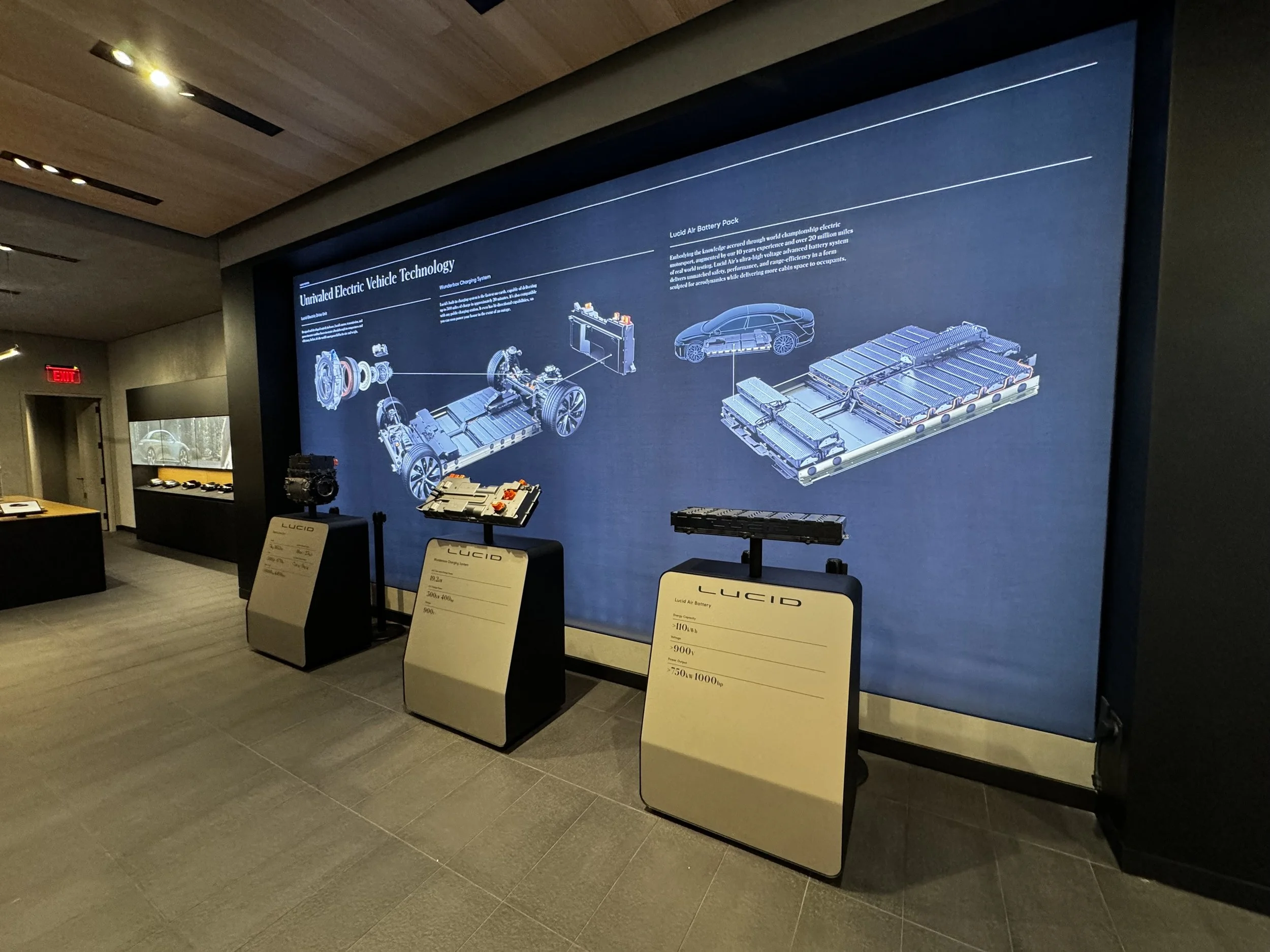
Elevating Retail Experience with 3D Virtual Tours
In an era where digital presence is as crucial as physical, retailers are constantly seeking innovative ways to engage customers and stand out in a competitive landscape. The advent of 3D virtual tours is revolutionizing the retail industry, offering a dynamic tool for retailers to plan and manage fresh, on-brand experiences efficiently and at scale.
In an era where digital presence is as crucial as physical, retailers are constantly seeking innovative ways to engage customers and stand out in a competitive landscape. The advent of 3D virtual tours is revolutionizing the retail industry, offering a dynamic tool for retailers to plan and manage fresh, on-brand experiences efficiently and at scale.
Immersive Shopping Experiences
3D virtual tours offer a seamless, immersive shopping experience, allowing customers to explore stores from the comfort of their homes. This innovative technology not only enhances customer engagement but also enables retailers to showcase their products in high definition, providing detailed views from different angles. By simulating the physical shopping experience, 3D tours help bridge the gap between online and in-store shopping, attracting a broader audience and increasing sales potential.
Efficient Space Planning
For retailers, the layout and presentation of their space are crucial in creating an inviting atmosphere for shoppers. 3D virtual tours empower retailers with the tools to plan and visualize store layouts before making any physical changes. This capability is invaluable for maximizing the use of space, improving traffic flow, and ensuring that products are displayed strategically for optimal visibility and attractiveness.
Scalable Brand Experiences
Branding is at the heart of retail, and maintaining consistency across multiple locations can be challenging. 3D virtual tours enable retailers to plan and manage on-brand experiences across all their stores, ensuring a uniform brand image and messaging. This consistency reinforces brand identity and loyalty, creating a cohesive experience for customers regardless of where they are shopping.
Real-time Customization and Updates
The retail landscape is fast-paced, with trends and customer preferences constantly evolving. 3D virtual tours offer the flexibility to make real-time updates to store layouts, displays, and product arrangements, allowing retailers to respond quickly to market trends and customer feedback. This agility is key to keeping the retail experience fresh and engaging, encouraging repeat visits and sustained interest.
Enhanced Data Analytics
Beyond the visual and experiential benefits, 3D virtual tours also provide valuable data analytics. Retailers can track how visitors navigate through the virtual store, which areas attract the most interest, and how long customers spend in different sections. This data is instrumental in understanding customer behavior, refining marketing strategies, and making informed decisions on inventory and store layout.
Conclusion
The use of 3D virtual tours in retail marks a significant shift towards more interactive, personalized, and efficient shopping experiences. For retailers, the benefits are clear: enhanced customer engagement, efficient space management, scalable brand experiences, agility in updates, and actionable insights into customer preferences. As technology advances, the potential for 3D virtual tours in retail will only grow, offering endless possibilities for innovation and connection with customers. In embracing these digital tools, retailers can look forward to a future where the line between physical and virtual shopping is not just blurred, but seamlessly integrated.