

Transforming Toronto Real Estate
We’re proud to be featured in Tech Bullion, where we explore how 3D scanning and digital twins are reshaping the future of commercial real estate in Toronto. From repurposing outdated office towers to unlocking new potential through data-driven insights, our latest article highlights how innovation is helping building owners adapt to change.
We’re proud to be featured in Tech Bullion, where we explore how 3D scanning and digital twins are reshaping the future of commercial real estate in Toronto. From repurposing outdated office towers to unlocking new potential through data-driven insights, our latest article highlights how innovation is helping building owners adapt to change.

New on Medium: How 3D Scanning Is Changing Real Estate in Toronto
We just published a new thought leadership article on Medium that explores how digital twins and 3D scanning are reshaping commercial real estate workflows across the Greater Toronto Area.
We just published a new thought leadership article on Medium that explores how digital twins and 3D scanning are reshaping commercial real estate workflows across the Greater Toronto Area.

The Importance of Accurate Revit Modeling in Construction
At Lightbound 3D, we provide professional Revit modeling services in Toronto, helping our clients achieve design accuracy and project efficiency. In this article, we’ll explore why accurate Revit modeling is so critical for successful construction projects.
In the world of modern construction, precision is everything. From skyscrapers that touch the clouds to intricate home renovations, every project demands careful planning, accurate design, and flawless execution. One of the most powerful tools that make this possible is Revit modeling — a Building Information Modeling (BIM) software that has revolutionized the way architects, engineers, and contractors design and manage projects.
At Lightbound 3D, we provide professional Revit modeling services in Toronto, helping our clients achieve design accuracy and project efficiency. In this article, we’ll explore why accurate Revit modeling is so critical for successful construction projects.
What is Revit Modeling?
Revit is a powerful BIM (Building Information Modeling) software developed by Autodesk. It allows designers and builders to create detailed, data-rich 3D models of buildings and structures. Unlike traditional 2D CAD drawings, Revit models are dynamic — they contain real-world information about materials, dimensions, and systems, making them invaluable for project planning.
Key Benefits of Revit Modeling:
3D Visualization: See a complete 3D view of your project before construction begins.
Data-Driven Design: Every element of the model is linked with detailed data (e.g., material properties, dimensions).
Seamless Collaboration: Architects, engineers, and contractors can work together on a single, synchronized model.
Accurate Cost Estimation: Calculate material quantities and costs directly from the model.
Why Accuracy in Revit Modeling Matters
Inaccurate or poorly designed Revit models can lead to significant issues during construction, including:
Design Errors: Misaligned walls, incorrect dimensions, or misplaced elements can lead to costly mistakes.
Wasted Materials: Inaccurate models can cause over-ordering of materials or inefficient use.
Project Delays: Errors discovered during construction can cause significant delays.
Increased Costs: Fixing design errors during construction is far more expensive than correcting them in the model.
Case Study: Avoiding Costly Design Errors
At Lightbound 3D, we recently worked on a complex commercial project in Toronto. The client needed an accurate BIM model to plan and coordinate the installation of MEP (Mechanical, Electrical, and Plumbing) systems. Using our Revit modeling services, we detected a critical design conflict between the HVAC ducts and structural beams before construction began. By resolving this in the model, the client saved thousands of dollars in potential rework costs.
Top Use Cases for Accurate Revit Modeling
Architectural Design: Create precise building designs with all necessary details.
MEP Coordination: Design and coordinate mechanical, electrical, and plumbing systems without clashes.
Structural Analysis: Simulate and test structural integrity before construction.
As-Built Documentation: Capture existing conditions and convert them to accurate Revit models (Scan to BIM).
Industries That Benefit:
Commercial Real Estate
Residential Development
Industrial Facilities
Public Infrastructure
How Lightbound 3D Delivers Accurate Revit Modeling in Toronto
At Lightbound 3D, we specialize in delivering precise and reliable Revit modeling services in Toronto for architects, engineers, and contractors. Our approach includes:
Precise Scan-to-BIM: Using advanced laser scanning technology, we capture existing conditions and convert them into accurate Revit models.
Collaborative Design: Our team works closely with clients to ensure that every detail is correctly modeled.
Error Detection and Resolution: We proactively identify and resolve design conflicts before they become costly problems.
Our Revit Modeling Services Include:
3D Architectural Modeling
MEP Coordination Models
Structural Modeling and Analysis
Scan to BIM for As-Built Documentation
Get Accurate Revit Models for Your Project – Contact Us Today
Don’t let design errors and inaccuracies derail your construction project. Trust Lightbound 3D for precise, reliable Revit modeling services in Toronto. Contact us today to discuss your project and discover how our BIM expertise can save you time and money.

See What the Eye Can’t: How Thermal Imaging Uncovers Hidden Issues in Buildings
In the world of property inspections, not everything is visible to the naked eye. Behind a freshly painted wall or a clean-looking ceiling, hidden issues like air leaks, moisture buildup, or poor insulation can silently cause damage — until it’s too late. That’s where thermal imaging steps in.
In the world of property inspections, not everything is visible to the naked eye. Behind a freshly painted wall or a clean-looking ceiling, hidden issues like air leaks, moisture buildup, or poor insulation can silently cause damage — until it’s too late. That’s where thermal imaging steps in.
Also known as infrared scanning, this powerful diagnostic tool is rapidly gaining traction among builders, real estate professionals, and facilities managers in Toronto and across Canada. In this post, we’ll explore what thermal imaging is, how it works, and why it’s becoming essential for anyone who owns, builds, or manages property.
What Is Thermal Imaging?
Thermal imaging uses infrared cameras to detect variations in surface temperature. These cameras translate heat into visual images — often called thermograms — that reveal temperature anomalies in walls, floors, ceilings, roofs, electrical systems, and HVAC setups.
Unlike traditional inspections, which rely on visual cues or destructive testing, thermal imaging offers a non-invasive way to quickly pinpoint potential problems.
Why Thermal Imaging Is a Game-Changer for Building Inspections
Thermal scanning provides a level of detail that human vision can’t match. Here are some of the most common — and valuable — applications:
1. Moisture and Water Intrusion Detection
Identify leaks inside walls and ceilings before they cause visible damage
Detect roof leaks, window seal failures, or plumbing issues
Prevent mold growth and material deterioration
2. Insulation & Energy Loss Analysis
Reveal missing or poorly installed insulation
Identify cold spots and thermal bridges
Reduce heating and cooling costs by sealing leaks and improving building envelopes
3. HVAC System Diagnostics
Detect air leaks in ductwork
Identify unbalanced airflow or energy waste
Verify radiant floor heating system performance
4. Electrical System Evaluation
Pinpoint overheating breakers, motors, or wiring
Prevent fire hazards caused by electrical faults
Confirm performance of solar panel arrays or electrical panels
5. Pre-Listing or Pre-Purchase Property Assessments
Help buyers and sellers make informed decisions
Prevent costly surprises during home inspections
Support negotiations with visual, third-party evidence
Who Benefits from Thermal Imaging?
Thermal scanning is no longer limited to industrial use. At Lightbound 3D, we’re seeing demand grow across multiple sectors:
Homeowners looking to improve energy efficiency or detect issues early
Realtors and real estate investors who want to reduce risk in property transactions
Builders and contractors ensuring quality control during construction
Property managers and condo boards monitoring ongoing building performance
Insurance companies and restoration experts assessing damage or claim validity
Why Now? The Case for Thermal Imaging in the GTA
In Toronto’s fast-paced property market, quick, accurate assessments are key. Whether you’re managing a high-rise, renovating a historic property, or trying to sell a home fast — thermal imaging can give you the upper hand.
With tight building codes, rising energy costs, and extreme weather swings, spotting inefficiencies or damage early can save thousands. Infrared inspections give you the clarity and confidence to act — before problems escalate.
What a Thermal Inspection Includes
A standard infrared inspection includes:
A site walkthrough with thermal and visual imaging
Capture of key areas: walls, ceilings, attics, mechanical rooms, roofs, and more
Annotated thermal photos showing temperature anomalies
A detailed PDF report with findings and recommended next steps
At Lightbound 3D, we use high-resolution FLIR thermal cameras to capture both large commercial environments and intricate residential details. We often pair thermal imaging with 3D scanning or Matterport virtual tours for complete property documentation.
Before & After: Real-Life Results
Case Study 1: Air Leaks in a Modern Condo
During a new owner walkthrough, our thermal scan revealed major drafts near the balcony door and along the ceiling bulkheads. The problem? Insulation gaps caused by a rushed install. The builder corrected it before final occupancy — saving the owner from inflated HVAC bills.
Case Study 2: Hidden Moisture in a Leaky Roof
At a 1970s-built commercial property in Etobicoke, a flat roof had been patched several times. Our scan showed pooled moisture within the roofing layers — invisible to the eye. The landlord used our report to request an urgent replacement before winter.
Thermal Imaging vs. Traditional Inspection
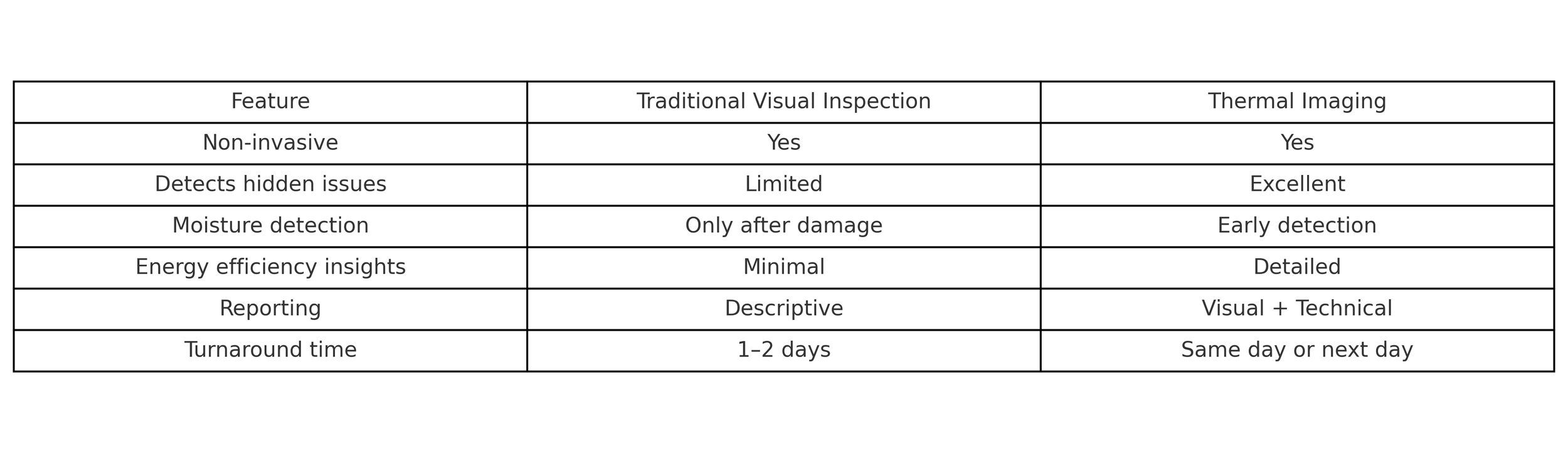
Is It Worth the Cost?
Yes — especially when you consider the potential savings. The average thermal inspection ranges from $300 to $700, depending on building size and scope. But detecting a roof leak early could save $5,000+. Finding missing insulation could cut your energy bill by 10–20% a year.
In the context of real estate transactions, tenant handovers, or renovations, a thermal scan adds peace of mind — and tangible ROI.
Conclusion: Bring Hidden Issues Into the Light
If you’re responsible for a building — as a buyer, seller, manager, or contractor — you need to see more than surface-level details. Thermal imaging is fast, precise, and powerful. It’s not just a nice-to-have — it’s the new standard for smart building diagnostics.
Book a Thermal Imaging Inspection Today
Lightbound 3D offers professional thermal imaging services across the Greater Toronto Area. Whether it’s a full building scan or targeted inspection, we deliver clarity and confidence.
Let us help you uncover what the eye can’t see.

The Power of Virtual Staging: Transforming Real Estate Marketing
Virtual staging not only enhances listing photos but also helps buyers envision the potential of a space. By digitally furnishing, remodeling, or redesigning a property, virtual staging can attract more interest, sell homes faster, and maximize sale prices. Let’s explore how this innovative technology is revolutionizing real estate marketing.
Introduction
In today’s competitive real estate market, standing out is more important than ever. Buyers are drawn to homes that feel inviting, modern, and stylish, yet not every property is ready for a perfect photoshoot. Virtual staging has emerged as a game-changing solution, allowing sellers, agents, and developers to present homes in their best light without the expense or hassle of physical staging.
Virtual staging not only enhances listing photos but also helps buyers envision the potential of a space. By digitally furnishing, remodeling, or redesigning a property, virtual staging can attract more interest, sell homes faster, and maximize sale prices. Let’s explore how this innovative technology is revolutionizing real estate marketing.
What Is Virtual Staging?
Virtual staging is the process of digitally furnishing and enhancing photos of vacant or outdated spaces to make them more appealing to potential buyers. Using advanced rendering techniques, professional designers create realistic, high-quality visuals that bring empty rooms to life. Whether a home needs contemporary furniture, a remodeled kitchen, or a complete style overhaul, virtual staging makes it possible—all without the cost and logistics of traditional staging.
Unlike physical staging, which involves renting and transporting real furniture, virtual staging is done entirely through software. The result? A seamless, photorealistic representation of the space that helps buyers emotionally connect with the property.
The Benefits of Virtual Staging
1. Cost-Effective and Efficient
Traditional home staging can cost thousands of dollars per month, particularly for luxury properties. Virtual staging, on the other hand, provides a one-time, affordable solution that achieves the same result—making a home look move-in ready and desirable. By eliminating the need for furniture rentals, delivery fees, and labor costs, sellers can achieve professional-grade marketing materials at a fraction of the price.
2. Faster Sales and Higher Offers
Homes that look well-designed and furnished tend to sell faster. Buyers often struggle to visualize how an empty space would look with furniture, which can make them hesitant to commit. A virtually staged home allows them to see the full potential of the space, leading to quicker decisions and, often, higher offers. Properties that appear well-maintained and move-in ready tend to command top dollar in the market.
3. Flexible Design Options
Every buyer has a unique taste, and what appeals to one might not work for another. Virtual staging allows for customization, offering different styles to match the target audience. Whether the property is suited for modern, rustic, industrial, or minimalist décor, virtual staging can tailor the design to fit the ideal buyer’s preferences. Sellers can even provide multiple design options to showcase the home’s versatility.
4. Ideal for Vacant or Outdated Homes
Vacant homes can feel cold and uninspiring, while outdated homes may turn off potential buyers who struggle to see past the current design. Virtual staging breathes new life into these properties, helping them compete with professionally staged homes. It allows buyers to focus on the property’s true potential rather than its current condition.
5. Enhancing Online Listings
In the digital age, online listings are often the first impression buyers have of a property. High-quality photos that showcase a beautifully staged home are more likely to capture interest and generate inquiries. Since most homebuyers start their search online, virtual staging provides a competitive edge by making listings more visually appealing and engaging.
How Virtual Staging Works
The process of virtual staging is simple and efficient:
Photograph the Property – High-resolution images of the vacant or outdated space are taken to serve as the foundation for virtual staging.
Choose a Design Style – Sellers and agents can select from various interior design styles that best suit the property and its target audience.
Professional Rendering – Designers digitally furnish the space, adding furniture, decor, and enhancements that align with the chosen style.
Review and Revise – Clients can request revisions to ensure the final images meet their expectations.
Use in Marketing – The finished, professionally staged images are added to listings, brochures, and social media campaigns to attract potential buyers.
This seamless process makes virtual staging a highly effective marketing tool with a quick turnaround time.
Why Choose Professional Virtual Staging?
With the rise of digital marketing, many DIY virtual staging apps and services have emerged. However, not all virtual staging is created equal. Professional virtual staging services offer high-quality, photorealistic results that make a home look genuinely inviting and livable.
What Sets Professional Virtual Staging Apart?
✔ Free Revisions – Ensuring that the final images meet the client’s expectations. ✔ Quality Results – Using expert designers and advanced rendering techniques to create stunning visuals. ✔ Personalized Team – A dedicated team that understands the nuances of real estate marketing. ✔ Happiness Guaranteed – Delivering satisfaction through professional craftsmanship and attention to detail.
When selecting a virtual staging provider, it’s essential to work with experts who understand how to create natural lighting, realistic textures, and furniture placement that enhances the flow of a space. Poorly executed virtual staging can make a home look artificial and unappealing, deterring buyers rather than attracting them.
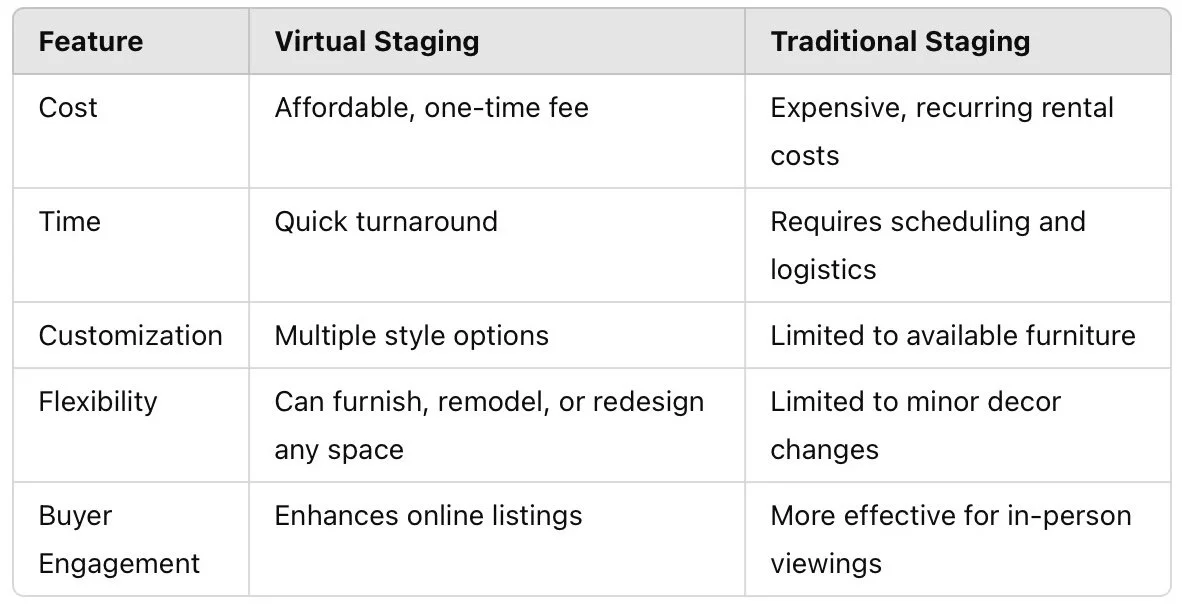
While traditional staging is still a great option for high-end properties or model homes, virtual staging offers unmatched flexibility and cost-effectiveness for most sellers.
The Future of Virtual Staging
As technology advances, virtual staging is becoming even more sophisticated. Innovations in AI and 3D rendering allow for hyper-realistic staging that is nearly indistinguishable from real furniture. Future trends include:
Interactive 3D Virtual Tours – Buyers can walk through a staged home virtually, enhancing the online viewing experience.
Augmented Reality (AR) Staging – Potential buyers can use AR apps to see different furniture styles and layouts in real-time.
Smart Staging Suggestions – AI-driven recommendations based on buyer preferences and demographics.
Virtual staging is no longer just an alternative to traditional staging—it’s becoming a standard in real estate marketing.
Conclusion
In an industry where first impressions matter, virtual staging is an invaluable tool for real estate professionals. It enhances property listings, attracts more buyers, and helps homes sell faster and at higher prices. By digitally furnishing, remodeling, or redesigning any space, virtual staging provides a cost-effective, flexible, and highly impactful solution for showcasing a property’s full potential.
Whether you’re an agent, developer, or homeowner looking to maximize your sale, virtual staging is a game-changing investment. If you're ready to transform your listings and captivate buyers, now is the time to embrace the future of real estate marketing.
Want to see how virtual staging can elevate your listings? Contact us today to get started!
Why Film & TV Productions Are Adopting 3D Scanning
Gone are the days of repeated location visits just to get measurements and photos. With LiDAR and Matterport 3D scans, production teams can virtually tour and assess locations from anywhere in the world—saving time and travel expenses.
1. Faster & More Accurate Location Scouting
Gone are the days of repeated location visits just to get measurements and photos. With LiDAR and Matterport 3D scans, production teams can virtually tour and assess locations from anywhere in the world—saving time and travel expenses.
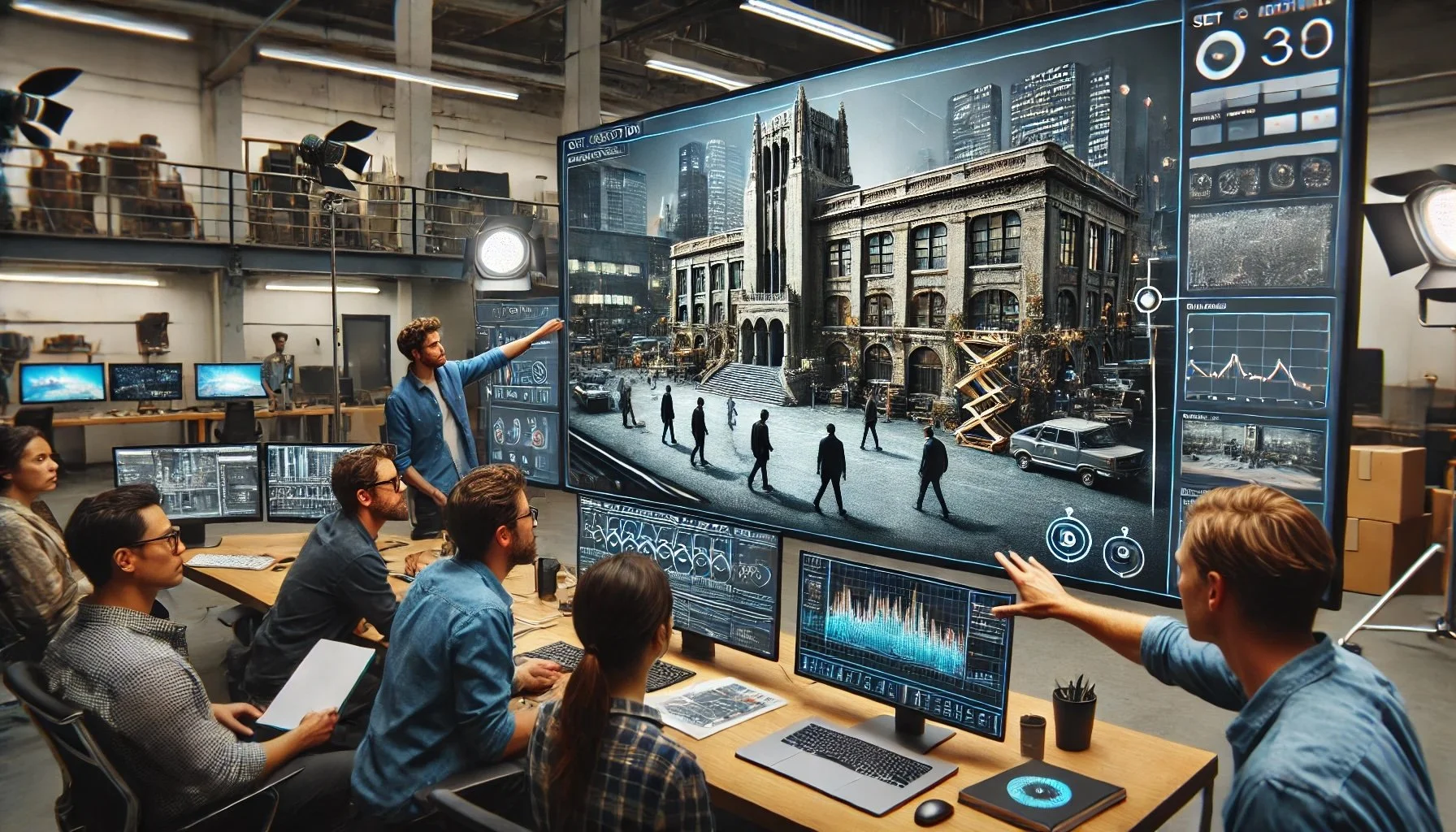
A production team in Los Angeles can remotely view a scanned set location in Toronto, ensuring it meets their needs before booking travel or scheduling site visits.
2. Improved Set Design & Previsualization
Set designers and art directors can work with precise digital twins of real-world locations, allowing for:
✅ Accurate pre-visualization in CAD/BIM software
✅ Virtual set dressing before physical changes are made
✅ Faster coordination between teams (directors, designers, and VFX teams)
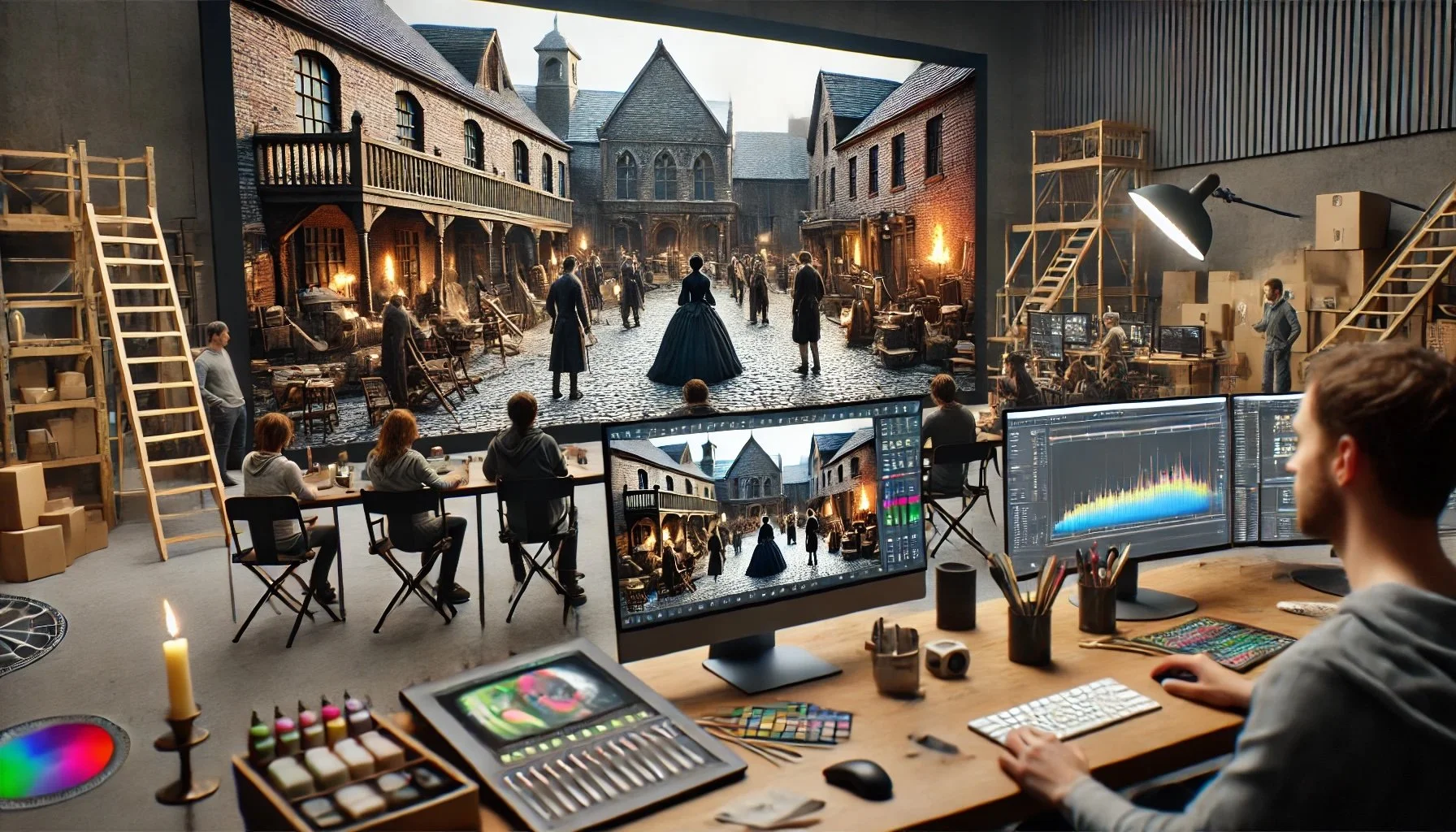
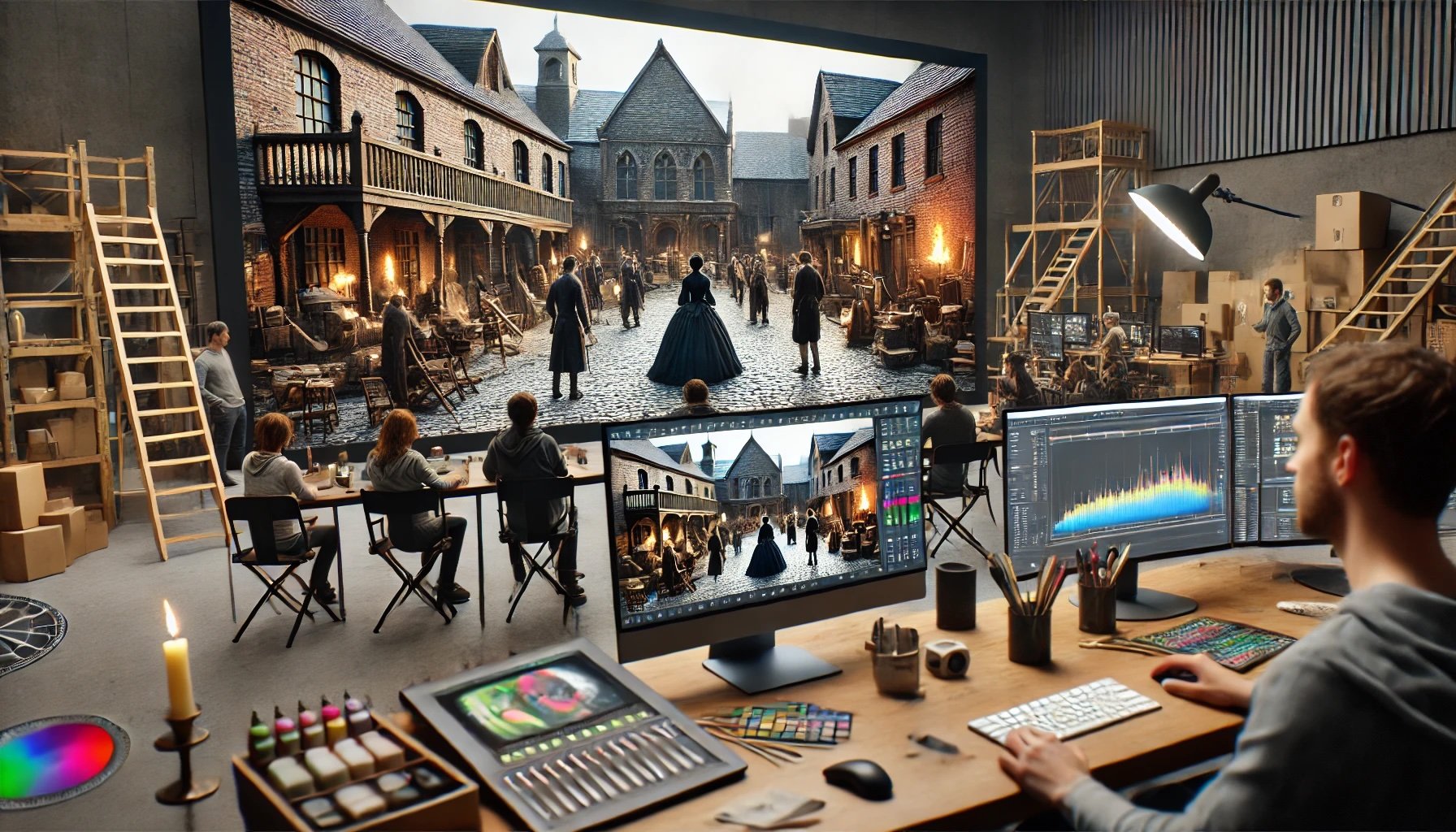
A period drama set in the 1800s can be digitally modified with accurate props and backdrops before any physical construction takes place.
3. Seamless VFX Integration
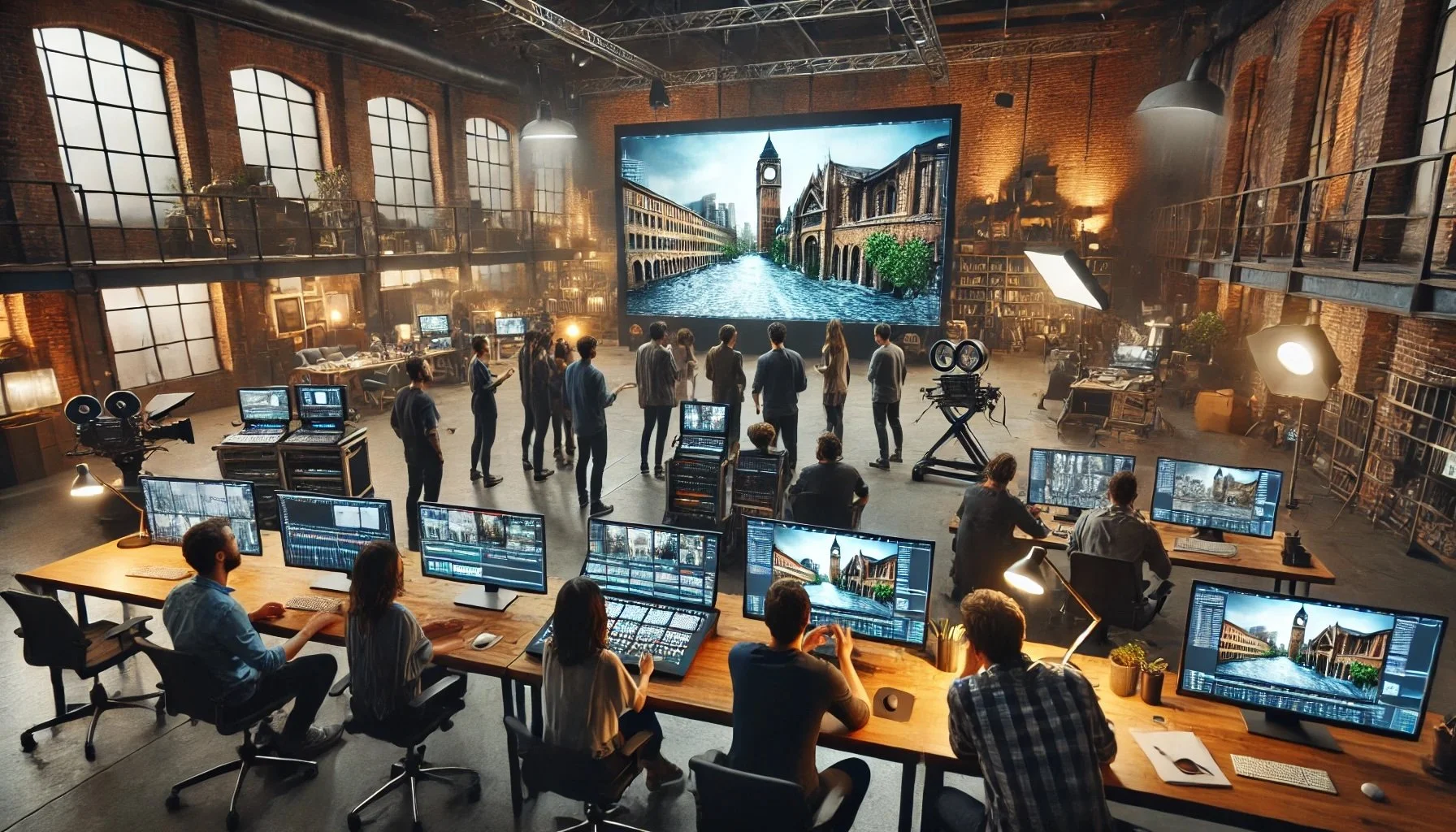
With high-resolution 3D scans, VFX teams can capture detailed environments and integrate CG elements more naturally. Whether it’s set extensions, digital doubles, or CGI effects, accurate 3D models help achieve seamless visual storytelling.
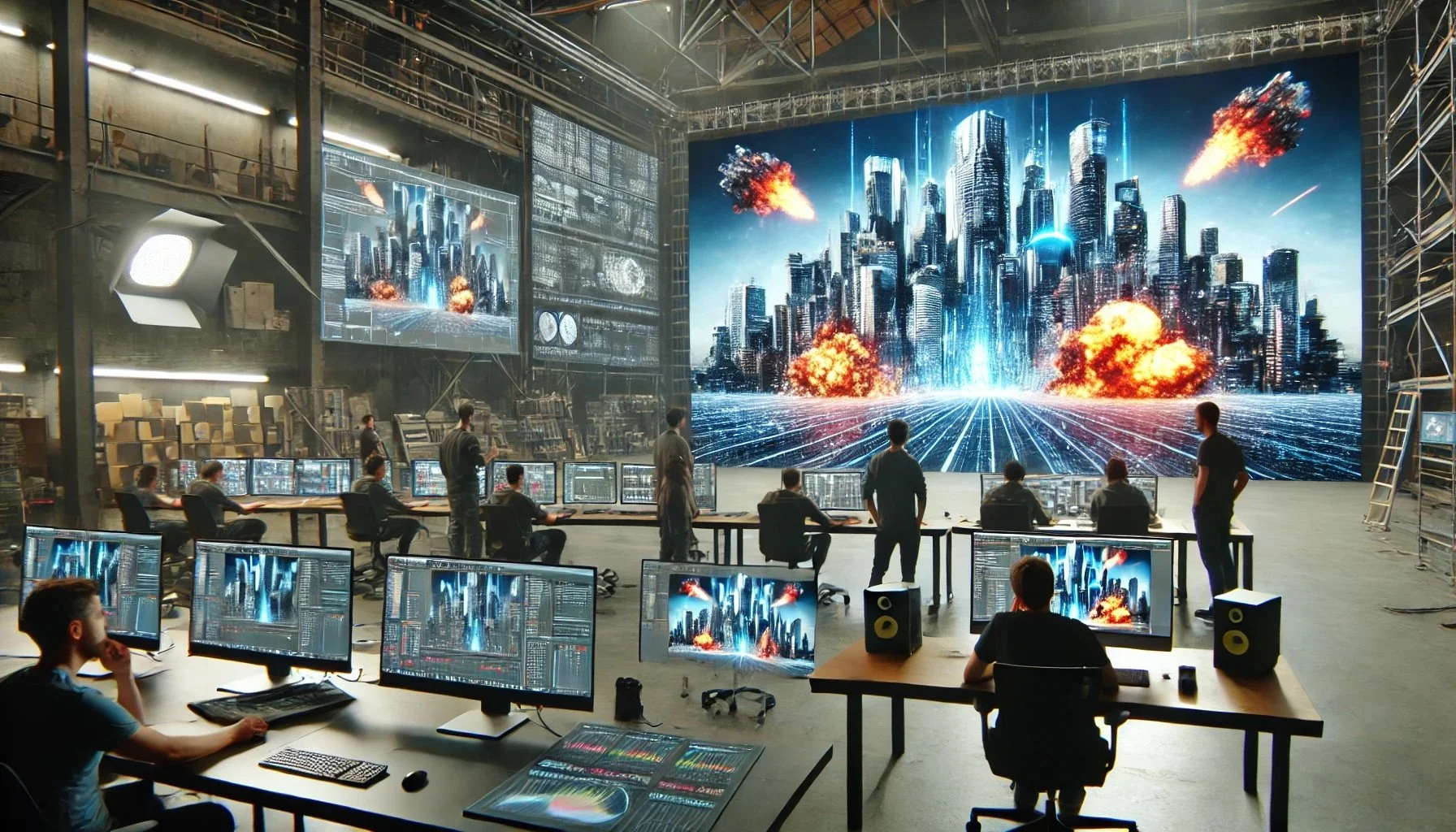
A city skyline can be scanned and later enhanced with CG elements like futuristic buildings or action-packed destruction sequences.
4. Cost Savings in Production & Post-Production
By having detailed 3D models of locations, productions can:
✅ Reduce on-site reshoots by capturing everything upfront
✅ Save money on location modifications by pre-visualizing changes
✅ Avoid scheduling conflicts by sharing the scans with all departments
A sci-fi show that requires a custom-built spaceship interior can scan the physical set and reuse the digital version for later CGI-heavy scenes.
5. Enhanced Archiving & Asset Management
Once a location or set is scanned, it can be reused for future productions. Studios can build digital libraries of locations, reducing the need to reshoot or revisit the same sites for new projects.
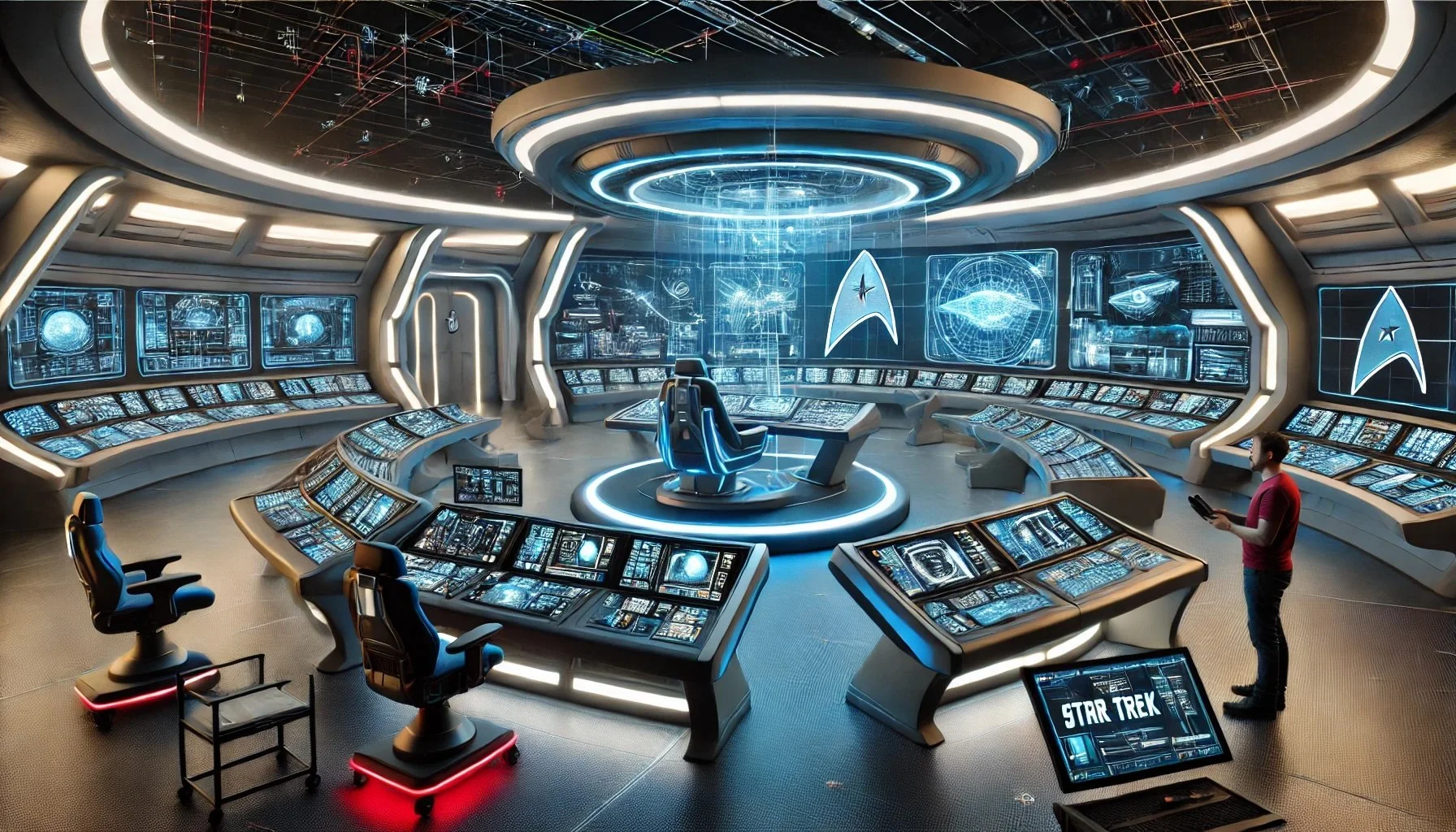
A sci-fi show that requires a custom-built spaceship interior can scan the physical set and reuse the digital version for later CGI-heavy scenes.

3D Virtual Tours: A Stress-Free Way to Choose Assisted Living
Marketing assisted living and long-term care homes has evolved beyond brochures and in-person tours. Today’s families expect transparency, convenience, and a stress-free decision-making process. 3D virtual tours provide an innovative solution that helps facilities showcase their spaces effectively while building trust with potential residents and their loved ones.
Choosing an assisted living or long-term care home is a major life decision, often involving extensive research, multiple visits, and logistical challenges. Families want to find a facility that offers safety, comfort, and quality care, but physically touring multiple locations can be overwhelming—especially for seniors with mobility concerns or for family members living far away.
3D virtual tours are transforming the way people explore and evaluate assisted living communities, providing a stress-free, convenient, and immersive experience. Instead of scheduling and traveling to numerous in-person visits, families can now tour facilities from the comfort of home and make more informed decisions with confidence.
Why 3D Virtual Tours Are a Game-Changer for Assisted Living Research
1. Explore Anytime, From Anywhere
One of the biggest advantages of 3D virtual tours is the ability to view assisted living facilities remotely. Whether you live in another city, have a busy schedule, or need to coordinate with multiple family members, virtual tours allow you to explore at your own pace, 24/7.
2. Reduce the Stress of Physical Visits
Seniors and their families often visit multiple communities before making a decision. This can be physically and emotionally exhausting, especially for those with limited mobility. A virtual tour minimizes unnecessary travel, allowing families to pre-screen facilities before committing to in-person visits.
3. A Transparent, Immersive Experience
Unlike static images or brochures, 3D virtual tours provide a full 360-degree view of living spaces, common areas, and amenities. This eliminates surprises and gives families a true sense of the environment, helping them feel more confident in their decision.
4. Involve the Whole Family in the Decision
Many senior living decisions involve input from family members. With a 3D tour, everyone—whether nearby or far away—can explore the community together, compare options, and discuss preferences without coordinating multiple in-person visits.
5. Compare Facilities Easily
3D virtual tours streamline the research process by allowing families to compare multiple facilities side by sidewithout the time constraints of scheduled tours. This helps narrow down choices efficiently and ensures no key details are overlooked.
6. Save Time for Everyone—Including Sales Teams
For assisted living providers, 3D tours help pre-qualify prospective residents, ensuring that in-person visits are reserved for families who are genuinely interested. This makes the sales process more efficient and enhances customer satisfaction.
Conclusion
3D virtual tours make choosing an assisted living home easier, more convenient, and less stressful. They offer families the flexibility to explore facilities anytime, reduce unnecessary visits, and gain confidence in their decision—all without leaving home.
If you’re searching for an assisted living community, start with a 3D tour to simplify the process and make an informed choice with ease.
🚀 Want to see how 3D tours can help your senior living facility attract more residents? Let’s talk!
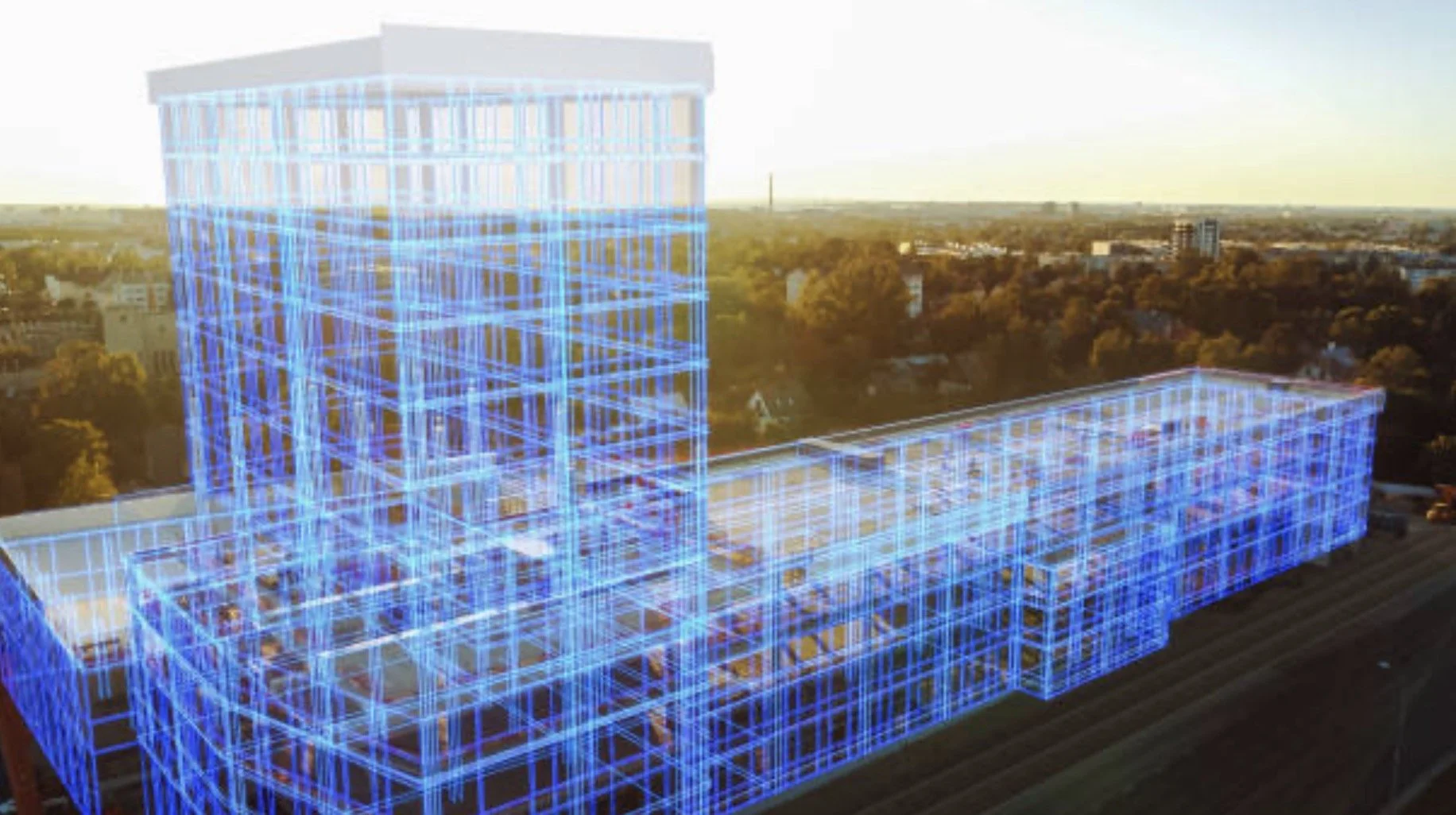
Building Digitization and why it Matters
In a world increasingly reliant on technology, the way we design, manage, and interact with buildings is undergoing a seismic shift. Building digitization—the process of creating precise digital replicas of physical spaces—is transforming industries ranging from real estate to construction, hospitality, and beyond.
In a world increasingly reliant on technology, the way we design, manage, and interact with buildings is undergoing a seismic shift. Building digitization—the process of creating precise digital replicas of physical spaces—is transforming industries ranging from real estate to construction, hospitality, and beyond. By combining advanced 3D scanning, LiDAR technology, and immersive virtual tools, companies like Lightbound 3D are leading the charge in bringing buildings online, making them accessible, functional, and future-ready.
This blog will explore why building digitization matters, the technologies driving it, and the real-world benefits it delivers across various industries.
What Is Building Digitization?
At its core, building digitization involves the creation of a digital twin—a highly accurate virtual representation of a physical structure. This can take the form of:
3D virtual tours: Interactive walkthroughs that allow users to explore spaces remotely.
Point cloud data: Detailed spatial data captured by LiDAR technology, enabling precise modeling.
Digital floor plans: Scaled layouts used for design, renovation, or operational planning.
These elements collectively offer a comprehensive view of a building, breaking the barriers of physical space and providing insights that were previously inaccessible.
Why Building Digitization Matters
1. Enhanced Accessibility
Digitized buildings can be accessed by anyone, anywhere, at any time. For industries like real estate, this means potential buyers or tenants can explore properties without stepping foot inside. Virtual tours empower stakeholders by providing a realistic sense of the space, helping them make informed decisions faster.
Lightbound 3D, for instance, has enabled clients to showcase properties to international buyers, reducing the need for costly and time-consuming site visits.
2. Improved Collaboration Across Stakeholders
From architects to contractors, building owners to facilities managers, digitization ensures everyone is on the same page. Digital models offer a shared platform where stakeholders can view, annotate, and collaborate in real-time. This unified approach minimizes miscommunication, streamlines workflows, and ensures the success of complex projects.
3. Efficiency in Renovation and Maintenance
One of the biggest challenges in renovations is understanding what lies beneath the surface—hidden pipes, electrical wiring, or structural elements. Digitization provides precise data that eliminates guesswork, allowing teams to plan renovations with confidence.
Lightbound 3D’s detailed scans have helped clients avoid costly errors during renovations, identifying potential challenges before they become problems.
4. Sustainability Through Smarter Resource Use
With building digitization, sustainability is no longer an afterthought. Digital models allow for precise energy modeling, helping organizations identify inefficiencies and optimize resource use. By reducing material waste and improving energy efficiency, digitization contributes to greener, more sustainable buildings.

Technologies Driving Building Digitization
LiDAR Scanning
LiDAR (Light Detection and Ranging) uses laser light to measure distances and create detailed 3D maps of spaces. This technology is a cornerstone of building digitization, enabling high-precision measurements that form the basis of digital twins.
3D Virtual Tour Platforms
Matterport and similar platforms revolutionize how spaces are presented, offering immersive and interactive experiences that bring buildings to life. These tools are especially valuable in industries like real estate and hospitality.
BIM Integration
Building Information Modeling (BIM) takes digitization to the next level by integrating detailed spatial data with operational and functional information. BIM models are invaluable for long-term building management, ensuring that digital assets remain relevant and actionable.
Industries Benefiting from Building Digitization
1. Real Estate
Digitization has transformed how properties are marketed and sold. Virtual tours attract buyers by offering immersive experiences, while floor plans and point cloud data provide actionable insights for renovations or redevelopments.
2. Construction and Architecture
Precise digital models ensure that every phase of construction is executed accurately. Architects can test designs within a digital twin, and contractors can plan more effectively, avoiding costly rework.
3. Facility Management
For facilities managers, digitized buildings provide a detailed view of every system and structure, enabling proactive maintenance and efficient space utilization.
4. Emergency Services
In critical situations, such as fires or natural disasters, having a detailed digital twin can save lives. Emergency responders can plan rescue operations using accurate layouts, gaining a clear understanding of the environment before entering.
The Future of Building Digitization
As technologies like AI and machine learning integrate with building digitization, the potential applications will continue to grow. Predictive analytics could optimize building performance, while augmented reality might allow users to overlay digital information onto physical spaces in real-time.
Lightbound 3D is already at the forefront of this evolution, using advanced scanning technologies to redefine how spaces are documented and utilized. Their commitment to innovation ensures that clients not only meet today’s challenges but are also prepared for the opportunities of tomorrow.
Conclusion
Building digitization is more than a trend; it’s a paradigm shift that’s redefining the way we interact with the built environment. Whether you’re in real estate, construction, or facility management, the benefits of digitization are clear: enhanced accessibility, improved collaboration, greater efficiency, and a path toward sustainability.
For Lightbound 3D, the mission is simple: to help clients bring their buildings online with precision and creativity. With over 1,400 successful scans and counting, their expertise ensures that your spaces are not just captured but truly transformed.
Ready to digitize your space? Contact Lightbound 3D today and take the first step toward a smarter, more connected future.

2025 Trends in 3D Scanning and Virtual Tour
The world of 3D scanning and virtual tours is evolving at a breakneck pace. With innovations in LiDAR, Building Information Modeling (BIM), and 3D visualization, industries like real estate, construction, and design are poised for transformative growth in 2025. Let’s dive into the trends shaping these sectors and explore how technology is redefining the way we interact with spaces.
The world of 3D scanning and virtual tours is evolving at a breakneck pace. With innovations in LiDAR, Building Information Modeling (BIM), and 3D visualization, industries like real estate, construction, and design are poised for transformative growth in 2025. Let’s dive into the trends shaping these sectors and explore how technology is redefining the way we interact with spaces.
1. Enhanced LiDAR Technology
LiDAR (Light Detection and Ranging) continues to be a cornerstone of 3D scanning, and in 2025, the technology is becoming more precise and accessible. Recent advancements in portable LiDAR devices have made it easier to capture detailed scans of environments in real time. These innovations are particularly impactful in:
Real Estate: Agents can now provide hyper-realistic 3D tours, giving prospective buyers a more immersive experience.
Construction: Contractors and architects can use LiDAR to monitor site progress and detect discrepancies in real-time, reducing costly errors.
Design: Interior designers are leveraging LiDAR to create precise digital twins of spaces, allowing for accurate planning and visualization.
2. Seamless Integration of BIM
Building Information Modeling (BIM) has been a game-changer for the construction and design industries, and its integration with 3D scanning technology is reaching new heights in 2025. Key advancements include:
Automated Updates: Scanned data can now automatically update BIM models, ensuring that digital representations are always accurate and up-to-date.
Collaboration Across Teams: Cloud-based BIM platforms enable architects, engineers, and construction teams to work together seamlessly, using real-time data from 3D scans.
Sustainability Planning: By integrating environmental data into BIM models, teams can plan for energy efficiency and sustainability from the outset.

3. Immersive Virtual Tours
Virtual tours have evolved from simple 360-degree photos to fully interactive experiences. In 2025, the integration of VR and AR technologies is revolutionizing how industries present spaces:
Real Estate: Buyers can explore properties remotely using virtual reality headsets, experiencing lifelike views of homes without stepping foot on-site.
Hospitality: Hotels and resorts are offering interactive virtual tours, allowing travelers to explore amenities and rooms before booking.
Education and Training: Virtual tours of construction sites, museums, and historical buildings are being used for training and educational purposes, enhancing accessibility and learning.
4. AI-Driven Enhancements
Artificial intelligence is increasingly being embedded in 3D scanning and visualization tools, enabling smarter, more efficient processes. Innovations include:
Automated Object Recognition: AI can identify and label objects in a scanned environment, saving time and improving accuracy.
Predictive Analytics: By analyzing scanned data, AI can predict maintenance needs in construction or identify potential design flaws.
Enhanced User Experiences: AI-driven personalization allows virtual tours to adapt to user preferences, offering tailored experiences.
5. Industry-Specific Applications
The versatility of 3D scanning and virtual tours is opening up new possibilities across various industries:
Real Estate: Shorter sales cycles and better customer engagement through interactive tours.
Construction: Improved project management with precise progress tracking and predictive insights.
Healthcare: Detailed 3D scans of facilities are aiding in hospital planning and optimizing patient flows.
Retail: Stores are creating virtual shopping experiences, blending physical and digital commerce.
Conclusion

As 2025 unfolds, the advancements in 3D scanning, LiDAR, and BIM technology are redefining industries and expanding possibilities. These tools are not just enhancing efficiency; they’re creating richer, more immersive ways to experience and interact with spaces. For businesses in real estate, construction, and design, staying ahead means embracing these innovations and integrating them into their workflows.
At Lightbound 3D, we’re excited to be part of this transformation. With years of expertise in 3D scanning and virtual documentation, we help clients bring their projects to life with precision and creativity. The future is digital—let’s build it together.

Enhancing Manufacturing with 3D Scanning Technology
This article explores how manufacturers can integrate 3D scanning technology into automated workflows, offering practical steps to balance upfront costs with future scalability and achieve seamless automation.
This article explores how manufacturers can integrate 3D scanning technology into automated workflows, offering practical steps to balance upfront costs with future scalability and achieve seamless automation.
Why Manufacturers Are Cautious About Automation
While automation is widely acknowledged as a cornerstone of modern manufacturing, many manufacturers remain hesitant to fully embrace it. This reluctance often stems from cultural and operational challenges.
Automation: Perceived Complexity
For many manufacturers, automation appears daunting. The assumption that implementing automation requires an overhaul of existing processes and equipment creates apprehension. Concerns about job redundancies and a steep learning curve for employees add to the hesitation.
This resistance is amplified by the misconception that automation must be adopted in a single, sweeping transformation. In reality, automation can be integrated gradually and tailored to existing workflows, using tools that are familiar and easy to manage.
Limited In-House Expertise
A lack of internal expertise can also hinder adoption. Small and medium-sized manufacturers may lack the IT resources or specialists needed to implement and maintain advanced automation systems. This creates the impression that automation is out of reach without a dedicated technical team, even though many modern tools are designed to be user-friendly and accessible.
Concerns About Costs
Cost is another significant barrier. Many manufacturers focus on the immediate expense of automation technologies without considering the long-term benefits. These include increased efficiency, reduced operational costs, and faster production times, all of which contribute to a strong return on investment. By concentrating solely on upfront costs, manufacturers risk missing out on the transformative potential of automation.
3D Scanning: A Gateway to Automation

3D scanning technology offers a practical, scalable entry point for manufacturers looking to embrace automation. These tools are versatile and can be seamlessly integrated at various stages of the manufacturing process.
Versatility Across the Production Cycle
Metrology-grade 3D scanners excel in applications such as product design, quality assurance, and reverse engineering. During product development, they enable the creation of precise, detailed design models, ensuring a strong foundation for quality. As production progresses, 3D scanners facilitate real-time assessments and quality checks, helping to identify and resolve issues quickly. Their ability to adapt to both manual and semi-automated workflows makes them ideal for diverse manufacturing environments.
Scalable and Future-Proof
One of the most compelling advantages of 3D scanning technology is its scalability. As a future-proof investment, it grows alongside the company, adapting to increasing production demands or expanding into new product lines. This flexibility supports manufacturers in aligning their automation strategies with evolving market needs.
3D scanners can also integrate with additional automation solutions, such as robots and cobots, to create seamless workflows. By combining 3D scanning with robotics, manufacturers can enhance efficiency, accuracy, and consistency in their operations.
Conclusion
3D scanning technology bridges the gap between traditional manufacturing practices and modern automation. By offering a scalable, versatile, and user-friendly entry point, it enables manufacturers to overcome common barriers to automation, such as cost concerns and perceived complexity. Investing in 3D scanning systems not only enhances current processes but also sets the stage for a fully automated future.
The Transformative Impact of 3D Reality Capture on the Construction Industry

The construction industry is undergoing a massive transformation, driven by advancements in technology. At the center of this evolution is 3D reality capture, a cutting-edge solution that allows for the precise digital documentation of physical spaces. This technology provides a foundation for smarter design, better planning, and seamless collaboration across teams.
As construction projects grow more complex, so do the challenges of managing them efficiently. Asset owners and professionals alike are discovering the immense value of leveraging 3D reality capture to ensure accuracy, reduce costs, and improve outcomes. However, the benefits of this technology can only be fully realized when stakeholders are equipped with the knowledge and skills to use it effectively.
In this blog, we’ll delve into the transformative impact of 3D reality capture on the construction industry, explore real-world use cases, and emphasize the critical need for education to maximize its potential.
What is 3D Reality Capture?
3D reality capture is the process of creating a digital representation of a physical space using tools like laser scanners, drones, and photogrammetry. The output is often a point cloud—a highly accurate 3D dataset that serves as the foundation for digital workflows like Building Information Modeling (BIM).
Key features of 3D reality capture include:
Precision: Captures every detail of a space with millimeter accuracy, ensuring no critical information is missed.
Time Efficiency: Large spaces can be scanned in hours rather than days, speeding up project timelines.
Versatility: Applicable across various industries, including construction, architecture, and real estate.
By digitizing real-world environments, 3D reality capture enables better decision-making, reduces costly errors, and improves communication between stakeholders.
The Transformative Impacts of 3D Reality Capture
Enhanced Design and Planning
Design and planning are the foundation of any construction project. Traditional methods, such as 2D blueprints, can often lead to misinterpretations, errors, and delays. With 3D reality capture, professionals can visualize existing conditions in incredible detail, enabling them to make informed decisions from the very start.
Use Case: Clash Detection in Building Systems
Consider a scenario where HVAC, plumbing, and electrical systems need to be integrated into a building. Without accurate documentation of the existing space, these systems could conflict, leading to costly rework. With 3D reality capture, teams can detect and resolve these clashes before construction begins.
Improved Collaboration Across Teams
Construction projects involve a wide range of stakeholders, from architects and engineers to contractors and asset owners. Miscommunication or outdated information can lead to inefficiencies and mistakes. 3D reality capture provides a single source of truth that everyone can access, ensuring all teams are aligned.
Use Case: Remote Collaboration
Imagine a team of architects in one city and contractors in another. Using 3D reality capture, both teams can view and interact with the same digital model, regardless of location. This not only reduces travel costs but also accelerates decision-making.
Streamlined Renovations and Retrofits
Renovation and retrofit projects often come with unique challenges. Structures may lack accurate documentation, or their current state may not align with original blueprints. 3D reality capture eliminates these uncertainties by providing a precise digital representation of the existing conditions.
Use Case: Preserving Historic Buildings
When restoring a historic building, maintaining structural integrity while modernizing the space is crucial. 3D reality capture allows teams to analyze every detail of the building, ensuring that restorations are both accurate and respectful of the structure’s history.
Data-Driven Decision Making
One of the most significant advantages of 3D reality capture is its ability to provide actionable insights. From monitoring project progress to identifying potential issues, the data captured can be used to make smarter decisions at every stage of construction.
Use Case: Progress Tracking
For large-scale projects, keeping track of progress can be challenging. With 3D scans conducted at regular intervals, project managers can compare the current state of construction with the original plans, ensuring timelines and budgets stay on track.
The Importance of Education in Leveraging 3D Reality Capture
While the benefits of 3D reality capture are clear, its full potential can only be unlocked when professionals understand how to use the technology effectively. Education is key to bridging the gap between tools and their applications.
Training Asset Owners
Asset owners play a critical role in the success of construction projects. By understanding what 3D reality capture can achieve, they can make informed decisions and ensure their projects are managed efficiently.
Focus Area: Training should cover the basics of 3D reality capture, its benefits, and how to leverage the data for long-term value.
Empowering Teams with Knowledge
For project teams, learning to integrate 3D reality capture into their workflows is essential. This includes not only understanding how to operate the tools but also how to interpret and use the data effectively.
Focus Area: Hands-on training programs that simulate real-world scenarios can help teams overcome the learning curve and maximize productivity.
Bridging the Gap Between Technology and Application
Many professionals are eager to adopt new technologies but may struggle to integrate them into existing workflows. Education initiatives should focus on practical applications, ensuring that teams can seamlessly incorporate 3D reality capture into their processes.
Real-World Applications: Case Studies
Case Study 1: Renovating a Commercial Space
A commercial building in Toronto required significant renovations, including structural changes and the installation of new systems. Using 3D reality capture, the project team was able to document the existing space, identify potential challenges, and plan the renovation with minimal disruption.
Case Study 2: Building a Hospital Wing
When adding a new wing to a hospital, precision and efficiency were critical. 3D reality capture allowed the team to map out the existing structure, ensuring that the new addition integrated seamlessly with the existing facility.
Overcoming Challenges in Adopting 3D Reality Capture
Despite its many advantages, adopting 3D reality capture comes with challenges, including:
High Initial Costs: Advanced scanning equipment and software can be expensive, making it a significant investment for smaller firms.
Complex Data Management: The vast amount of data generated by 3D reality capture can be overwhelming without proper tools and workflows.
The Future of 3D Reality Capture in Construction
As technology continues to evolve, the applications of 3D reality capture are expanding. From integrating with AI and machine learning to enabling predictive analytics, the future holds immense possibilities for this transformative tool.
At Lightbound 3D, we are committed to staying at the forefront of this innovation, providing our clients with the tools, training, and support they need to succeed.
Conclusion: Building Smarter with 3D Reality Capture
The construction industry is entering a new era, one defined by precision, collaboration, and data-driven decision-making. 3D reality capture is not just a tool—it’s a catalyst for change, enabling professionals to overcome challenges and achieve their goals with greater efficiency and accuracy.
To fully harness its potential, we must invest in education and training, ensuring that both asset owners and professionals are equipped to leverage this technology. Together, we can build smarter, safer, and more sustainable spaces.
Ready to transform your next project? Contact Lightbound 3D to learn how our 3D reality capture services can help you succeed.
Capturing 2 Million Square Feet of Toronto Office spaces - what we've learned!
Introduction
In 2024, Lightbound 3D teamed up with a network of Toronto property owners and operators to digitally transform and design more than 2 million square feet of commercial real estate. The initiative aimed to tackle core challenges like cost efficiency, scalability, and rapid deployment—key concerns for flex-space providers striving to keep up with market demands.
Traditional project frameworks, such as the design-bid-build model endorsed by the American Institute of Architects (AIA), are often used industry-wide but prove inefficient for large-scale, high-growth projects. Visualize coordinating multiple design teams, their respective subconsultants, and numerous bidding stages for just one project. Now, imagine scaling this complexity across 100 sites in a single year. The process becomes unsustainable for companies looking to expand rapidly.

Key Insights
Toronto Buildings need Accurate Data
Toronto’s commercial real estate market often operates with outdated building information. Critical data points are frequently controlled by landlords, resulting in inaccuracies within an Operator’s lease, such as incorrect floor plans and discrepancies between actual and rentable square footage. These inaccuracies can lead to significant financial losses over the course of a lease.
After analyzing over 200 commercial floors across Toronto, Lightbound 3D found that over 80% of operators use outdated plans with discrepancies of ±5-10% from real conditions. This equates to potential losses of hundreds of thousands of dollars per lease.
By partnering with Owners and Operators, we provide an accurate, up-to-date baseline for leases and facilities management. This approach ensures precise documentation and fosters a new era where building information evolves into actionable intelligence, benefiting both design firms and property managers.
Treating Space as a Scalable Product
For office interiors, adopting a product development mindset—akin to strategies in the tech industry—is essential. Rather than purely bespoke designs, treating office space as a product involves iterative refinement and data-driven improvements. This approach means that each successive location benefits from the learnings of previous ones, resulting in a smoother, more cost-effective rollout. Ultimately, a standardized, product-based strategy ensures that the 100th office is not only quicker to build but also more polished and efficient than the first.
BIM: The Backbone of Modern Office Build Outs
Leveraging Building Information Modeling (BIM) is critical for integrating modern technology into commercial space developments. While conventional methods like design-bid-build are familiar, they often result in fragmented project execution. A BIM-centered methodology, supported by a solid framework, stakeholder engagement, and continuous feedback, can yield significant improvements, delivering up to tenfold returns in terms of cost, speed, and project management. By employing cutting-edge tools such as 3D laser scanning and mixed reality, operators can radically transform their approach to space planning and project delivery.
Lightbound 3D boost Productivity with our BIM+ Approach
In the design and real estate sectors, there's a growing focus on leveraging data to improve the architecture, engineering, and construction (AEC) industry. However, raw data alone is not enough. It must be transformed into actionable insights through the expertise of designers, product managers, and specialists, resulting in project assets like 3D scans and as-built models. These assets provide immediate value for individual projects, but to support rapid growth across a flexible office portfolio, a comprehensive analytics system is needed to turn localized data into strategic intelligence for decision-making at scale.

How Scan-to-BIM Technology is Transforming the AEC Industry
Lightbound 3D stands out in the industry for its commitment to delivering high-quality 3D visualization and BIM services. With a team of experienced professionals and state-of-the-art technology, Lightbound 3D ensures that every project is executed with precision and efficiency. Whether it’s for construction, real estate, or property management, our Scan-to-BIM services provide the data and insights needed to make informed decisions and achieve successful project outcomes.
Introduction
In the fast-evolving world of Architecture, Engineering, and Construction (AEC), precision and efficiency are crucial. With the advent of Scan-to-BIM technology, the industry has seen a revolutionary shift in how projects are designed, documented, and executed. This innovative process involves capturing precise 3D data of a physical space using laser scanning technology and converting it into a digital Building Information Model (BIM). Lightbound 3D, a leader in digital visualization and documentation services, leverages Scan-to-BIM to provide stakeholders with highly accurate models and data, enabling informed decision-making throughout the project lifecycle.
The Benefits of Scan-to-BIM for Construction Projects
Enhanced Accuracy and Reduced Errors: Traditional methods of measuring and documenting existing conditions often result in discrepancies that lead to costly rework. Scan-to-BIM technology, however, captures every detail with millimeter accuracy, ensuring that all measurements and spatial data are precise. This minimizes errors in the design and construction phases, saving time and resources.
Streamlined Workflows and Collaboration: BIM models created from 3D laser scans serve as a single source of truth for all project stakeholders. They provide a clear, comprehensive view of the project, making it easier to coordinate between architects, engineers, contractors, and clients. This integration fosters better communication and streamlines workflows, as everyone is working from the same up-to-date data set.
Cost and Time Efficiency: Scan-to-BIM significantly reduces the need for multiple site visits by capturing all necessary data in a single session. This not only saves time but also cuts down on project costs. The ability to visualize potential issues early in the design phase helps avoid costly changes during construction, keeping projects on schedule and within budget.
Data Integration and Versatility: The 3D data captured can be integrated into various CAD and BIM applications such as AutoCAD, Revit, and SketchUp. This versatility allows for detailed modeling, clash detection, and advanced simulations, providing insights that traditional methods cannot offer. Whether for renovations, retrofitting, or new constructions, Scan-to-BIM offers unparalleled flexibility in project planning and execution.
Applications of Scan-to-BIM in Different Industries
Commercial Real Estate: In commercial real estate, accurate 3D models are invaluable for property management and marketing. They allow property owners to create virtual tours, manage assets, and plan renovations with a clear understanding of the existing conditions. This not only enhances property value but also provides prospective buyers with a detailed view of the space, improving sales potential.
Construction and Renovation: For construction projects, especially renovations and retrofitting, Scan-to-BIM is a game-changer. It provides a detailed "as-built" model that reflects the current state of the structure, making it easier to plan modifications and detect potential conflicts before they arise. This proactive approach helps prevent delays and ensures that all design elements fit seamlessly with the existing structure.
Property Management: Property managers use Scan-to-BIM for space optimization, maintenance planning, and asset tracking. The detailed models help in understanding the layout and condition of assets, enabling efficient management of resources and planning of maintenance activities.
Case Studies: Lightbound 3D’s Impact on AEC Projects
Case Study 1: Large-Scale Office Renovation Lightbound 3D was commissioned to provide Scan-to-BIM services for a large office building undergoing renovation. The team captured the existing conditions using 3D laser scanners and created a detailed BIM model. This model helped the design team plan the renovation without disrupting the building's operations. The project was completed 20% faster than anticipated, with a significant reduction in design conflicts.
Case Study 2: Heritage Building Documentation For a heritage building slated for restoration, Lightbound 3D used Scan-to-BIM to create an accurate digital record of the structure. The model included intricate architectural details that were crucial for the restoration work. This digital preservation not only guided the restoration team but also served as a historical record for future generations.
Emerging Trends in BIM and 3D Visualization
Integration of AI and Machine Learning: The future of BIM lies in the integration of AI and machine learning technologies. These advancements will enable predictive analytics, automated clash detection, and real-time design optimization, making construction projects more efficient and reducing the risk of costly errors.
Digital Twins and Smart Cities: The concept of digital twins—digital replicas of physical assets—is gaining traction in urban planning and smart city initiatives. These models provide real-time data and insights, enabling city planners and managers to optimize infrastructure and services dynamically.
Virtual and Augmented Reality: VR and AR technologies are becoming essential tools in the AEC industry. They allow stakeholders to explore BIM models in an immersive environment, improving understanding and collaboration. This is particularly useful in client presentations, training sessions, and on-site problem-solving.
Why Choose Lightbound 3D for Your Scan-to-BIM Needs?
Lightbound 3D stands out in the industry for its commitment to delivering high-quality 3D visualization and BIM services. With a team of experienced professionals and state-of-the-art technology, Lightbound 3D ensures that every project is executed with precision and efficiency. Whether it’s for construction, real estate, or property management, our Scan-to-BIM services provide the data and insights needed to make informed decisions and achieve successful project outcomes.
Conclusion
Scan-to-BIM technology is revolutionizing the AEC industry by providing accurate, detailed, and interactive digital representations of physical spaces. This technology not only enhances project efficiency and reduces costs but also opens up new possibilities for innovation in design and construction. As the industry continues to evolve, adopting advanced technologies like Scan-to-BIM will be essential for staying competitive and delivering high-quality projects.
If you’re looking to integrate Scan-to-BIM into your next project, contact Lightbound 3D to learn more about how our expertise can help you achieve your goals.

How Virtual Tours Increase Efficiency in the Hospitality Industry
The hospitality industry is built on creating memorable experiences, from individual guest stays to large-scale events like weddings and corporate conferences. One of the most effective tools that have emerged to enhance efficiency and improve customer satisfaction in this sector is the use of virtual tours. By providing prospective guests and event planners with immersive, interactive views of rooms, venues, and facilities, virtual tours have revolutionized the booking process and streamlined event planning.
The hospitality industry is built on creating memorable experiences, from individual guest stays to large-scale events like weddings and corporate conferences. One of the most effective tools that have emerged to enhance efficiency and improve customer satisfaction in this sector is the use of virtual tours. By providing prospective guests and event planners with immersive, interactive views of rooms, venues, and facilities, virtual tours have revolutionized the booking process and streamlined event planning.
Transforming the Room Booking Process
In the digital age, guests expect convenience and transparency when booking a room at a hotel or resort. Static images and generic descriptions no longer suffice when potential customers are making their decisions. Virtual tours allow them to explore the property in a much more detailed and realistic way from the comfort of their homes or offices.
Guests can walk through a hotel’s lobby, explore different room types, and check out amenities like the gym, pool, and spa. This level of interaction provides clarity on room size, layout, and views, reducing uncertainty and increasing the likelihood of bookings. Virtual tours are especially beneficial for high-end hotels and resorts, where customers are looking for luxurious experiences and want to ensure that the room meets their expectations before making a significant financial commitment.
By giving customers the ability to "virtually visit" the property, hotels reduce the time spent answering detailed questions about rooms or services. This improves productivity by allowing sales teams to focus on handling more direct inquiries, finalizing bookings, or upselling premium services.
Enhancing Event Planning Efficiency
For event planners, organizing large gatherings like weddings, conferences, or corporate retreats often requires several visits to a venue. Traditionally, this has been a time-consuming process, with clients needing to walk through spaces, discuss setup options, and envision how the event will unfold in different areas of the property.
With virtual tours, event planners can get a comprehensive view of the venue without needing to visit in person. They can tour ballrooms, outdoor spaces, meeting rooms, and even kitchen facilities. This allows them to visualize event setups, plan seating arrangements, and assess the flow of foot traffic—all without being physically present.
Moreover, virtual tours often include measurement tools that help planners determine whether a particular space will suit their needs in terms of dimensions or capacity. This helps eliminate guesswork and minimizes the need for multiple site visits, speeding up the planning process and reducing the burden on the venue's staff.
Reducing Cancellations and Improving Customer Satisfaction
One of the biggest challenges for the hospitality industry is cancellations or dissatisfaction due to unmet expectations. Virtual tours significantly mitigate this risk. Because potential guests or event planners get a highly accurate view of the space, they are less likely to feel disappointed when they arrive in person.
This transparency also leads to higher customer satisfaction rates, as guests and planners know exactly what they are getting. By setting clear expectations upfront, hotels and event venues are better positioned to deliver a positive experience, leading to better reviews and increased repeat business.
Boosting Marketing and Sales Efforts
Virtual tours don’t just improve operational efficiency; they also serve as a powerful marketing tool. Properties that showcase their spaces through interactive tours tend to stand out from the competition. Prospective customers can engage with the property in a more meaningful way, leading to higher conversion rates and increased bookings.
By integrating virtual tours into websites, emails, and social media, hotels can reach a wider audience and generate more interest in their offerings. This, in turn, leads to more inquiries and ultimately, more bookings, all while saving time for sales and marketing teams.
Conclusion
In a highly competitive hospitality industry, efficiency is key to maintaining profitability and customer satisfaction. Virtual tours have proven to be a valuable tool, transforming the room booking process, streamlining event planning, and reducing cancellations. For hotels, resorts, and event venues, investing in virtual tour technology is not only a way to stay competitive but also a means of driving productivity and delivering a superior guest experience.

A Modern Approach to Training and Orientation
Virtual tours, once primarily associated with real estate and marketing, are now finding innovative applications in corporate settings. By incorporating virtual tours into the onboarding process, we can help companies reduce time and costs while also improving engagement. The benefits of virtual tours in onboarding are too significant to ignore, and we’re here to help businesses harness that potential.
In today's fast-paced business world, ensuring that new employees are onboarded effectively is crucial for long-term success. Traditional methods like in-person tours, handbooks, and presentations can often feel time-consuming, repetitive, and, at times, ineffective. At Lightbound 3D, we are transforming the employee onboarding experience by utilizing cutting-edge virtual tour technology, offering a dynamic and interactive approach to introducing new hires to their workplace, culture, and environment.
Virtual tours, once primarily associated with real estate and marketing, are now finding innovative applications in corporate settings. By incorporating virtual tours into the onboarding process, we can help companies reduce time and costs while also improving engagement. The benefits of virtual tours in onboarding are too significant to ignore, and we’re here to help businesses harness that potential.
Enhancing Employee Engagement with Virtual Tours
One of the biggest challenges in onboarding is ensuring that new hires feel connected and engaged from the very start. With our virtual tours, we offer a unique solution by immersing new employees in their workplace environment before they even step foot inside the building. They can explore the office layout, view common areas, and even "walk" through departments to understand where they’ll be working and with whom.
This immersive experience helps break down the barriers that often make the first day overwhelming. New hires can familiarize themselves with the company's physical space and culture at their own pace, reducing anxiety and allowing them to focus more on the core aspects of their role. At Lightbound 3D, our virtual tours give companies the ability to create highly interactive and detailed onboarding experiences, helping employees feel comfortable and engaged from day one.
Reducing Onboarding Time and Costs
One of the most practical advantages of virtual tours is the time and cost savings they provide. Traditional onboarding processes often require HR staff or team leaders to conduct time-consuming in-person tours and orientations. By leveraging our virtual tours, companies can streamline this process, allowing new hires to explore the workplace remotely at any time.
This flexibility is especially beneficial for larger organizations or companies with multiple locations. New employees can virtually "visit" multiple offices or departments without the need for expensive travel or logistics coordination. In industries like healthcare, retail, or manufacturing, where employees may need to understand complex layouts or safety protocols, our virtual tours offer an efficient, scalable solution.
Application Across Multiple Industries
The potential for using virtual tours in onboarding extends across various industries. For instance, in healthcare, new employees can explore hospital layouts, familiarize themselves with important safety zones, and even practice navigating critical areas before their first shift. In retail, new hires can virtually tour store layouts and learn key operational details. For manufacturing and construction, our virtual tours can be used to demonstrate workplace safety protocols, equipment handling, and more.
No matter the industry, our virtual tours are customizable to meet specific company needs. This adaptability ensures that each new employee has a tailored onboarding experience that not only familiarizes them with their role but also creates a sense of belonging.
Looking to the Future: AR Integration
As virtual tours continue to evolve, we’re excited about the potential of integrating augmented reality (AR) into the onboarding process. This technology will allow new hires to interact with objects, processes, or even colleagues in real-time, creating a more immersive and hands-on learning environment.
Imagine a new employee virtually touring their workplace while receiving real-time guidance through AR about specific tools or processes relevant to their job. This type of onboarding can provide even more value by offering experiential learning opportunities that can dramatically improve retention and understanding.
Conclusion
At Lightbound 3D, we believe that the future of employee onboarding lies in the power of virtual tours and immersive technology. By offering an engaging, cost-effective, and flexible way to welcome new employees, virtual tours are revolutionizing how companies introduce their team members to their workspaces. If you’re looking to elevate your onboarding process, it’s time to consider how virtual tours can play a role in creating a more connected and prepared workforce.

5 Ways Virtual Tours Can Transform Your E-Commerce Site
Virtual tours are no longer just for the real estate industry—they are quickly becoming a powerful tool for e-commerce businesses looking to elevate their online shopping experience. By engaging customers, improving product visualization, building trust, telling compelling stories, and driving higher conversion rates, virtual tours can truly transform your e-commerce site. As this technology continues to evolve, adopting it early will give your business a competitive edge and set you apart as a leader in the future of online retail.
In today’s fast-paced digital world, e-commerce businesses are constantly looking for ways to stand out from the competition and offer an engaging shopping experience. While static product images and descriptions have been the norm for years, innovative companies are embracing a new trend that takes online shopping to a whole new level—virtual tours. These immersive experiences can provide online shoppers with a more dynamic, interactive way to explore products and spaces. Here are five ways virtual tours can transform your e-commerce site:
1. Enhanced Customer Engagement
Virtual tours offer an interactive experience that captures customers’ attention far more effectively than static images. Instead of scrolling through dozens of photos, users can navigate a 360-degree environment, zoom in on products, and view them from different angles. This increased level of interactivity keeps customers engaged longer, reducing bounce rates and encouraging more time spent on your site. The longer a customer stays, the more likely they are to make a purchase.
2. Improved Product Visualization
One of the biggest challenges of e-commerce is bridging the gap between seeing and experiencing a product. Virtual tours allow customers to visualize products in real-world environments, whether it’s furniture in a living room, clothing in a styled wardrobe, or electronics in a home office. This ability to experience how products fit into their lives makes it easier for customers to make informed purchasing decisions. The detailed, immersive visuals leave little room for doubt, ultimately reducing return rates and increasing customer satisfaction.
3. Increased Customer Trust and Transparency
Virtual tours can build a greater sense of trust with your customers by providing full transparency about the products and spaces you’re selling. For example, real estate websites have long used virtual tours to showcase properties, allowing potential buyers or renters to explore the space in great detail. The same concept applies to e-commerce: by offering a virtual tour of a product showroom, factory, or warehouse, you demonstrate openness and transparency, which helps to build customer trust.
4. Better Storytelling Opportunities
Consumers today are drawn to brands that tell a compelling story. Virtual tours allow you to craft immersive narratives that showcase your brand’s history, values, or product development process in a creative, engaging way. Imagine guiding your customers through a behind-the-scenes virtual tour of your design studio, production facility, or flagship store. This kind of experience not only promotes your products but also connects customers with your brand on a deeper level, fostering loyalty and emotional engagement.
5. Higher Conversion Rates
All of the benefits mentioned above—enhanced engagement, better product visualization, increased trust, and improved storytelling—lead to one ultimate goal: higher conversion rates. Customers who feel more confident and connected to a product are far more likely to complete a purchase. In fact, businesses that have implemented virtual tours have reported increased sales as a direct result of the immersive experience they provide. By giving your customers a unique, interactive way to explore your offerings, you reduce uncertainty and create a shopping experience that rivals in-store visits.
Conclusion
Virtual tours are no longer just for the real estate industry—they are quickly becoming a powerful tool for e-commerce businesses looking to elevate their online shopping experience. By engaging customers, improving product visualization, building trust, telling compelling stories, and driving higher conversion rates, virtual tours can truly transform your e-commerce site. As this technology continues to evolve, adopting it early will give your business a competitive edge and set you apart as a leader in the future of online retail.
At Lightbound 3D, we specialize in creating immersive virtual tours that can take your e-commerce platform to the next level. With extensive experience in producing interactive, 3D virtual experiences across multiple industries, we know how to tailor our solutions to your specific needs. Whether you’re looking to showcase products in a virtual showroom or enhance customer engagement with interactive environments, we’re here to help. Ready to transform your e-commerce experience? Contact Lightbound 3D today and let’s discuss how we can bring your products to life with cutting-edge virtual tours.

Laser Measurement of the Elevator Shafts at Queens Quay Terminal
At Lightbound 3D, we’re always excited to work on projects that blend history, innovation, and technology. Our recent endeavor at the iconic Queens Quay Terminal in Toronto was no exception. This project allowed us to showcase the power of advanced laser measurement techniques in documenting complex architectural structures, specifically the elevator shafts of this historic building.
At Lightbound 3D, we’re always excited to work on projects that blend history, innovation, and technology. Our recent endeavor at the iconic Queens Quay Terminal in Toronto was no exception. This project allowed us to showcase the power of advanced laser measurement techniques in documenting complex architectural structures, specifically the elevator shafts of this historic building.
The Historical Significance of Queens Quay Terminal
Queens Quay Terminal, a landmark on Toronto’s waterfront, is not just a building; it's a piece of the city’s rich history. Originally constructed in the 1920s as a warehouse for the Toronto Harbour Commission, the building was transformed in the early 1980s into a mixed-use space that includes residential, commercial, and retail areas. The renovation preserved the building’s historical façade while introducing modern amenities, making it a unique blend of old and new.
The elevator shafts at Queens Quay Terminal are integral to the building's function, serving both residents and visitors. Given the building’s age and the complexity of its layout, capturing precise measurements of these shafts was crucial for future renovations and maintenance.
The Challenge: Documenting Complex Spaces
The project at Queens Quay Terminal presented several challenges that required meticulous planning and execution. The elevator shafts, being narrow, vertically extensive, and intricate in design, demanded a high level of accuracy in measurement. Traditional measurement methods would have been time-consuming and potentially inaccurate due to the shafts' depth and the building's complex architecture.
Our team at Lightbound 3D knew that laser measurement technology was the ideal solution for this project. We chose to utilize our advanced laser scanning equipment to capture every detail of the elevator shafts, ensuring that the data collected would be precise and comprehensive.
The Process: Harnessing Laser Measurement Technology
Laser scanning is a powerful tool in the world of building documentation, offering unparalleled accuracy and speed. For the Queens Quay Terminal project, we deployed a high-resolution laser scanner capable of capturing millions of data points per second. This technology allowed us to create a detailed point cloud of the elevator shafts, capturing even the most minute details.
The process began with a thorough survey of the building’s layout, ensuring that we could access all necessary points for scanning. Our team then strategically placed the scanner at various levels within the elevator shafts to capture the full depth and complexity of the space. Each scan was meticulously planned to ensure there was no overlap or data loss, resulting in a complete and accurate representation of the shafts.
Once the scanning was complete, we processed the data to create a 3D model of the elevator shafts. This model is not just a static image; it’s a dynamic tool that can be used for a variety of purposes, from planning future renovations to conducting structural analyses. The model can be viewed from any angle, allowing stakeholders to examine the shafts in unprecedented detail.
The Outcome: A Foundation for Future Projects
The success of the laser measurement project at Queens Quay Terminal is a testament to the capabilities of modern technology in preserving and enhancing historic structures. The data we captured will serve as a valuable resource for architects, engineers, and building managers as they plan future renovations and ensure the building's longevity.
For Lightbound 3D, this project was more than just another job—it was an opportunity to contribute to the preservation of one of Toronto’s most beloved landmarks. By using cutting-edge laser measurement technology, we were able to document the elevator shafts with a level of precision that will support the building’s upkeep for years to come.
As Toronto continues to grow and evolve, projects like this remind us of the importance of balancing innovation with preservation. At Lightbound 3D, we’re proud to be at the forefront of this effort, using technology to bridge the past and the future.
Whether it’s capturing the intricate details of an elevator shaft or documenting the full scope of a building, we’re committed to delivering accurate, high-quality results that stand the test of time. The Queens Quay Terminal project is just one example of how we’re making a difference, one scan at a time.

Lightbound 3D On Location at King and Spadina: Facade preservation with Laser Precision!
At Lightbound 3D, we are committed to using the latest technology to support construction and preservation projects across Toronto and beyond. Our work at King and Spadina is a testament to our dedication to accuracy, efficiency, and the seamless integration of new and old.
Introduction
At Lightbound 3D, we take pride in being at the forefront of advanced measurement and documentation technologies. Our latest project takes us to the bustling intersection of King and Spadina in downtown Toronto, where we are providing essential laser measurements for building shoring and architectural facade preservation at a new construction site.
The Project: Building Shoring and Facade Preservation
Building shoring and facade preservation are critical components of construction, particularly in urban environments where maintaining the structural integrity and historical value of existing buildings is paramount. Our work at this site involves:

Laser scanning and drone application to document building shoring.
Building Shoring: Ensuring that the surrounding structures are adequately supported during the excavation and construction phases.
Facade Preservation: Accurately capturing the details of the existing architectural facade to ensure it is preserved and seamlessly integrated into the new construction.
Why Laser Measurements?
Laser measurement technology offers unparalleled precision and efficiency, making it the ideal choice for complex construction projects. Here’s why:
Accuracy: Laser scanners provide highly accurate measurements, capturing minute details that are crucial for both shoring and facade preservation.
Speed: Traditional measurement methods can be time-consuming. Laser scanning dramatically reduces the time required, allowing us to deliver results faster.
Comprehensive Data: The 3D models generated from laser scans offer a comprehensive view of the site, enabling better planning and execution.
Our Process
Our process involves several key steps to ensure the highest quality results:
Initial Survey: We begin with an on-site survey to understand the specific requirements and challenges of the project.
Laser Scanning: Using state-of-the-art laser scanners, we capture detailed measurements of the building facade and the surrounding structures.
Data Processing: The data collected is processed to create accurate 3D models and detailed reports.
Integration and Planning: These models are then used to plan the shoring process and to preserve the architectural integrity of the facade.
On-Site at King and Spadina
The King and Spadina site is a hive of activity, with construction teams, heavy machinery, and our team of experts working in tandem to ensure the project’s success. Here’s a glimpse of what we’ve been up to:
Setup: Our team arrives early to set up the laser scanning equipment and conduct preliminary assessments.
Scanning: Throughout the day, we perform multiple scans from different angles to capture every detail of the facade and surrounding structures.
Collaboration: We work closely with the construction team, sharing our findings in real-time to address any immediate concerns and to adjust plans as needed.
The Impact
Our work at this site is not just about preserving a building; it's about maintaining a piece of Toronto's architectural heritage while supporting modern development. By using advanced laser measurement technology, we are able to provide precise data that ensures both safety and historical accuracy.
Conclusion
At Lightbound 3D, we are committed to using the latest technology to support construction and preservation projects across Toronto and beyond. Our work at King and Spadina is a testament to our dedication to accuracy, efficiency, and the seamless integration of new and old. Stay tuned for more updates on this exciting project and other initiatives where we continue to push the boundaries of what’s possible in building measurement and preservation.

Powering Through Summer Storms: How 3D Laser Scanning Keeps Toronto's Lights On
Our on-site data collection process is fast, thorough, and accurate, ensuring cost efficiency for various properties and existing infrastructures. Utilizing advanced 3D laser scanning services, we surpass traditional surveying methods with LiDAR technology (Light Detection and Ranging), enabling us to measure and record precise locations accurately.
A reliable electricity supply is the backbone of daily life and economic activity. Ensuring that the city’s power infrastructure remains robust and efficient is a top priority for local hydro utilities, especially during the summer when unpredictable inclement rain storms can threaten the stability of the grid. At Lightbound 3D, we are proud to play a pivotal role in this mission through our advanced 3D laser scanning services. Here’s how our cutting-edge technology is helping Toronto’s hydro utilities keep their equipment in optimal condition, ensuring uninterrupted power for all.
Precision and Efficiency in Infrastructure Maintenance
Maintaining the extensive network of power lines, substations, and other critical infrastructure requires precision and efficiency. Traditional surveying methods can be time-consuming and often lack the detailed accuracy needed for complex utility projects. Our 3D laser scanning services offer a superior alternative. By utilizing state-of-the-art LiDAR technology (Light Detection and Ranging), we provide hydro utilities with highly accurate, real-time data that is crucial for effective maintenance and planning, especially when anticipating the challenges posed by summer storms.
Comprehensive Data Collection

Our process begins with comprehensive on-site data collection. The 3D laser scanners capture millions of data points per second, creating a precise digital representation of the utility’s infrastructure. This detailed point cloud data includes every nook and cranny of the equipment, from the towering power lines to the intricate components of substations. This level of detail ensures that no aspect of the infrastructure is overlooked, allowing for thorough assessments and proactive maintenance to brace for storm impacts.
Enhanced Planning and Problem Solving
With accurate 3D models at their disposal, hydro utilities can better plan maintenance schedules and respond to issues before they escalate. The detailed data supports the creation of precise CAD models and BIM (Building Information Modeling) processes, which are invaluable for project planning and execution. Engineers can simulate various scenarios, identify potential problem areas, and devise effective solutions, all within a virtual environment. This proactive approach minimizes downtime and enhances the overall reliability of the electricity supply, particularly during unpredictable weather events.
Cost Efficiency and Safety
Accurate data not only improves operational efficiency but also translates to significant cost savings. By identifying issues early and planning maintenance activities precisely, utilities can avoid costly emergency repairs and reduce the risk of unexpected outages. Additionally, our 3D laser scanning services enhance safety for utility workers. By using digital models for planning, engineers can minimize the need for physical inspections in hazardous areas, thereby reducing the risk of accidents during storm preparations and responses.
Supporting Sustainable Infrastructure
As Toronto continues to grow, the demand for reliable electricity will only increase. Our 3D laser scanning services support the sustainable development of the city’s power infrastructure. By ensuring that existing equipment is maintained effectively and new installations are planned with precision, we help hydro utilities meet current and future energy needs efficiently and sustainably, even in the face of summer storms.
Conclusion
At Lightbound 3D, we are committed to leveraging advanced technology to support essential services in our community. Our 3D laser scanning services are a vital tool for Toronto’s hydro utilities, providing the precision and efficiency needed to keep the city powered, rain or shine. Through comprehensive data collection, enhanced planning, and cost-efficient maintenance, we help ensure that Toronto’s electricity supply remains reliable, now and in the future.
For more information on how our services can benefit your infrastructure projects, contact us today. Together, we can build a brighter, more reliable future for Toronto.
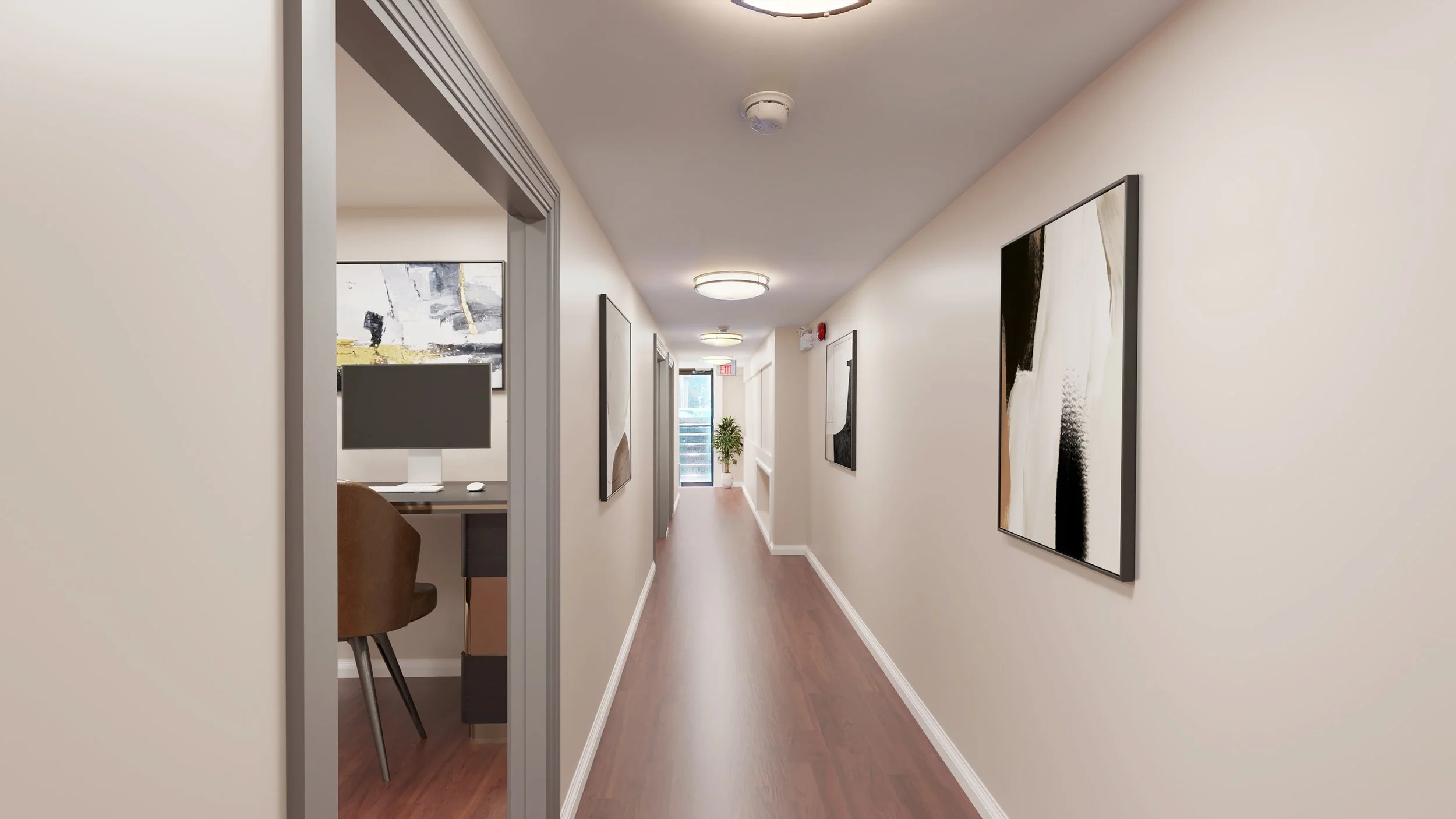
Transforming Spaces with Virtual Staging: From Cluttered to Chic
In the world of real estate and interior design, first impressions are everything. The way a space is presented can significantly impact its perceived value and appeal. At Lightbound 3D, we specialize in using advanced technologies to bring out the best in every property. One of our most effective tools is virtual staging, a process that transforms cluttered, empty, or outdated spaces into beautifully styled environments.
Introduction
In the world of real estate and interior design, first impressions are everything. The way a space is presented can significantly impact its perceived value and appeal. At Lightbound 3D, we specialize in using advanced technologies to bring out the best in every property. One of our most effective tools is virtual staging, a process that transforms cluttered, empty, or outdated spaces into beautifully styled environments. In this blog post, we'll dive deep into the power of virtual staging, showcasing its benefits, the process involved, and how it can elevate any property. We'll also take a detailed look at some before-and-after examples to illustrate just how transformative virtual staging can be.
The Power of First Impressions
When potential buyers or renters walk into a property, their first impression can set the tone for their entire experience. A well-staged home can evoke feelings of warmth, comfort, and aspiration, making it easier for viewers to envision themselves living in the space. Conversely, a cluttered or empty room can feel cold and uninviting, making it harder for viewers to connect with the property.
Virtual staging bridges this gap by providing a realistic, visually appealing representation of what a space could look like when furnished and decorated. Unlike traditional staging, which can be time-consuming and expensive, virtual staging is efficient, cost-effective, and highly customizable.
What is Virtual Staging?
Virtual staging is the process of using digital technology to furnish and decorate a property. It involves creating realistic, computer-generated images of furniture, décor, and other elements to enhance the appearance of a room. This technique allows for a high degree of flexibility, enabling designers to experiment with different styles, layouts, and color schemes without the need for physical furniture.
At Lightbound 3D, we leverage the latest in 3D modeling and rendering software to produce stunningly realistic virtual staging. Our team of skilled designers works closely with clients to understand their vision and bring it to life through digital transformation.
Benefits of Virtual Staging
1. Cost-Effectiveness
Traditional staging can be expensive, requiring the rental or purchase of furniture, décor, and other elements. Additionally, there's the cost of hiring a professional stager to arrange everything. Virtual staging eliminates these costs, providing a more affordable solution that doesn't compromise on quality.
2. Flexibility
With virtual staging, the possibilities are endless. Designers can easily experiment with different styles, layouts, and color schemes to find the perfect look for a property. This flexibility allows for quick adjustments and refinements, ensuring the final result is exactly what the client envisions.
3. Time Efficiency
Traditional staging can take days or even weeks to complete, depending on the scope of the project. Virtual staging, on the other hand, can be completed in a fraction of the time. This speed is particularly beneficial in the fast-paced real estate market, where properties need to be listed and shown quickly.
4. Realistic and High-Quality Visuals
Modern virtual staging technology allows for incredibly realistic and high-quality visuals. At Lightbound 3D, we use advanced 3D rendering techniques to create images that are virtually indistinguishable from real photographs. This level of realism helps potential buyers or renters better understand the potential of a space.
5. Customization
Virtual staging offers a level of customization that traditional staging can't match. Designers can tailor every element of the staging to suit the target audience, whether it's modern, traditional, minimalist, or eclectic. This customization ensures that the staging resonates with the specific tastes and preferences of potential buyers or renters.
The Virtual Staging Process
The virtual staging process at Lightbound 3D involves several key steps:
1. Initial Consultation
The process begins with an initial consultation to understand the client's vision and goals. During this stage, we discuss the desired style, layout, and any specific elements the client wants to include. We also gather information about the property, including floor plans and photographs.
2. Digital Modeling
Next, our team of designers creates a digital model of the property using advanced 3D modeling software. This model serves as the foundation for the virtual staging process.
3. Furnishing and Decorating
Once the digital model is complete, we begin the process of furnishing and decorating the space. Using high-quality 3D assets, we add furniture, décor, and other elements to create a visually appealing and cohesive look. We pay close attention to details such as lighting, shadows, and textures to ensure the final images are as realistic as possible.
4. Review and Refinement
After the initial staging is complete, we present the images to the client for review. This stage allows for feedback and refinements to ensure the final result aligns with the client's vision. We make any necessary adjustments to the staging based on the client's input.
5. Final Delivery
Once the staging is finalized, we deliver the high-resolution images to the client. These images can be used for marketing materials, online listings, and other promotional efforts.
Before and After: A Closer Look
To illustrate the transformative power of virtual staging, let's take a closer look at some before-and-after examples from our recent projects.
Example 1: From Cluttered to Chic
In this first example, we transformed a cluttered living space into a stylish and inviting environment. The before image shows a room filled with personal belongings, cluttered surfaces, and an overall lack of cohesion. This setup makes it difficult for potential buyers to see the room's potential.
Before:

The after image, on the other hand, showcases a beautifully staged living area with modern furniture, coordinated décor, and a clean, organized layout. The transformation highlights the room's best features and creates a welcoming atmosphere.
After:

Example 2: Hallway Transformation
In this second example, we tackled a narrow, cluttered hallway. The before image shows a space filled with miscellaneous items, creating a sense of disorganization and making the hallway appear cramped.
Before:

The after image reveals a sleek, clean hallway with minimalistic décor and strategic lighting. The transformation not only improves the hallway's aesthetic appeal but also makes it feel more spacious and inviting.
After:
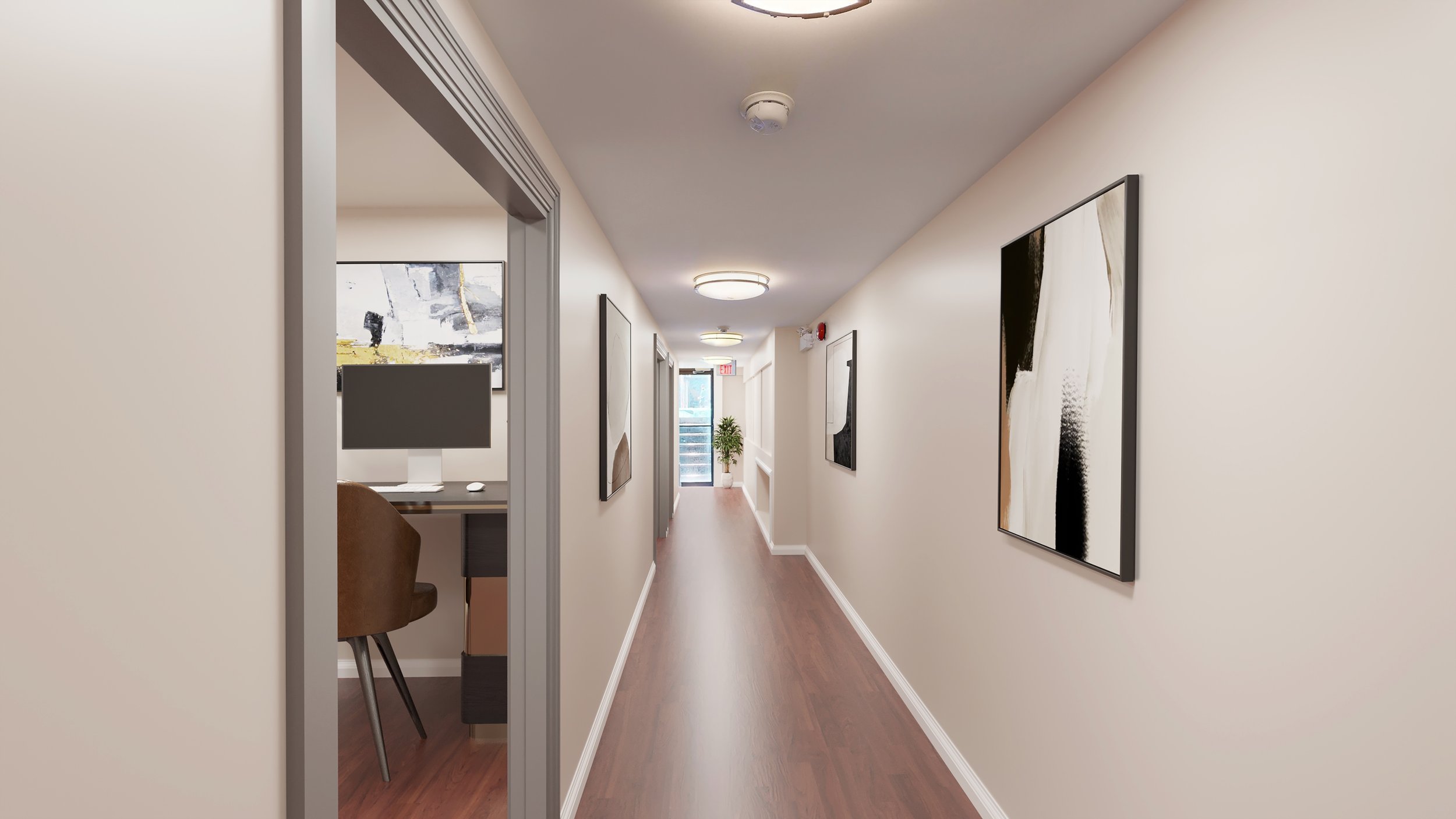
The Impact on Real Estate Sales
Virtual staging isn't just about making a property look good; it's about driving real results in the real estate market. Studies have shown that staged homes sell faster and for higher prices than their unstaged counterparts. By providing potential buyers with a clear vision of what a space can look like, virtual staging helps them form an emotional connection with the property.
Faster Sales
Properties that are virtually staged tend to spend less time on the market. This speed is particularly valuable in competitive markets where time is of the essence. Buyers are more likely to make quick decisions when they can easily envision themselves living in a beautifully staged home.
Higher Offers
Virtual staging can also lead to higher offers. When a property is presented in its best light, it creates a sense of value and desirability. Buyers are often willing to pay more for a home that feels move-in ready and aesthetically pleasing.
Broader Appeal
Virtual staging allows for customization that can cater to a broad range of tastes and preferences. This broad appeal increases the likelihood of attracting multiple offers, creating a competitive environment that can drive up the final sale price.
Conclusion
Virtual staging is a powerful tool that can transform any property into a stunning, market-ready space. At Lightbound 3D, we are dedicated to helping our clients showcase their properties in the best possible light. Through our advanced virtual staging techniques, we create realistic, high-quality images that highlight the true potential of every room.
Whether you're a real estate agent looking to sell a property quickly, a homeowner wanting to present your space in the best way, or a developer aiming to market new construction, virtual staging offers a cost-effective, flexible, and impactful solution. The examples we've shared demonstrate just how transformative virtual staging can be, turning cluttered and uninviting spaces into stylish and desirable environments.
If you're interested in learning more about our virtual staging services or seeing additional examples of our work, please visit our website or contact us directly. Let us help you make a lasting impression and achieve your real estate goals with the power of virtual staging.
Call to Action
Ready to transform your property with virtual staging? Contact Lightbound 3D today to schedule a consultation and discover how our services can elevate your space. Visit our website at www.lightbound3d.com/virtual-staging-made-easy or call us at (437) 775-9000. Follow us on social media for more before-and-after transformations and design inspiration!