

The Art and Science of 3D Scanning in Building Construction: Documenting Radiant Floor Heating
Building a house is a multifaceted project, one that integrates numerous elements to create a cohesive and functional living space. One crucial phase in this complex process is the installation of radiant floor heating. At Lightbound 3D, we leverage cutting-edge 3D scanning technology to meticulously document this stage, ensuring that every detail is captured accurately before the permanent top floor is installed. This documentation is vital not only for quality assurance but also for future reference and peace of mind for homeowners and builders alike.
Building a house is a multifaceted project, one that integrates numerous elements to create a cohesive and functional living space. One crucial phase in this complex process is the installation of radiant floor heating. At Lightbound 3D, we leverage cutting-edge 3D scanning technology to meticulously document this stage, ensuring that every detail is captured accurately before the permanent top floor is installed. This documentation is vital not only for quality assurance but also for future reference and peace of mind for homeowners and builders alike.
Understanding Radiant Floor Heating
Before delving into the specifics of how we document radiant floor heating, it’s essential to understand what it is and why it's an integral part of modern homebuilding.
What is Radiant Floor Heating?
Radiant floor heating is an energy-efficient system that warms a house by conducting heat through the floor. Unlike traditional heating systems that use air ducts, radiant floor heating relies on a network of pipes or electrical wiring installed beneath the floor surface. These pipes or wires heat the floor, which in turn radiates warmth upwards, providing even and comfortable heating throughout the home.
There are two main types of radiant floor heating systems:
Hydronic Systems: These systems use heated water that circulates through a network of pipes laid out under the floor. Hydronic systems are highly efficient and are commonly used in new construction projects.

Electric Systems: These systems use electric cables or mats installed under the floor. Electric systems are typically easier to install and are often used in renovations or smaller spaces.

Benefits of Radiant Floor Heating
Radiant floor heating offers several advantages over traditional heating methods, making it a popular choice for modern homes:
Even Heating: The heat rises evenly from the floor, eliminating cold spots and providing consistent warmth.
Energy Efficiency: Radiant floor heating can be more energy-efficient than forced-air systems, as it requires lower temperatures to achieve the same level of comfort.
Improved Air Quality: Unlike forced-air systems, radiant heating doesn’t circulate dust and allergens, contributing to better indoor air quality.
Comfort: The warmth from the floor makes the living space more comfortable, especially during the colder months.
The Importance of Documenting the Installation Phase
Documenting the installation of radiant floor heating is a critical step in the construction process. This documentation serves several essential purposes:
Quality Assurance
Ensuring that the radiant floor heating system is installed correctly is paramount. Any mistakes during the installation can lead to inefficient heating, higher energy bills, or even system failures. By documenting the installation with 3D scanning, we can verify that everything is in the right place and functioning as intended.
Future Reference
The detailed digital record created through 3D scanning provides a precise map of the heating system’s layout. This record is invaluable for future renovations, repairs, or maintenance. For instance, if a homeowner decides to remodel or add to their home, knowing the exact location of the heating pipes can prevent costly mistakes and damage to the system.
Peace of Mind
Homeowners and builders gain confidence knowing that the heating system has been meticulously documented and verified. This peace of mind is invaluable, as it assures them that the system will perform efficiently and reliably for years to come.
How Lightbound 3D Documents Radiant Floor Heating Installation
At Lightbound 3D, we utilize state-of-the-art 3D scanning technology to capture every detail of the radiant floor heating installation. This process involves several steps to ensure that the final digital model is accurate and comprehensive.
Step 1: Preparation
Before the scanning process begins, our team collaborates closely with the builders to ensure that the site is ready. This preparation includes:
Coordination: We coordinate with the construction team to schedule the scanning at the optimal time, usually right after the radiant floor heating system has been installed but before the permanent top floor is placed.
Site Inspection: Our team conducts a thorough inspection of the site to identify any potential obstacles or challenges that might affect the scanning process.
Equipment Setup: We set up our 3D scanning equipment, ensuring that all devices are calibrated and ready to capture the necessary data.
Step 2: Scanning
The actual scanning process involves using high-precision 3D scanners to capture the layout of the radiant heating pipes. Here’s how it works:
Data Capture: Our 3D scanners emit laser beams that bounce off the surfaces they encounter. The scanner records the time it takes for the laser beams to return, creating a detailed map of the area being scanned.
High Resolution: The scanners capture data at a high resolution, ensuring that even the smallest details of the heating system are recorded. This level of detail is crucial for creating an accurate digital model.
Comprehensive Coverage: We ensure that the entire area where the heating system is installed is scanned, capturing every inch of the pipes and their layout.
Step 3: Data Processing
Once the scanning is complete, the captured data is processed to create a detailed digital model. This step involves:
Data Cleaning: The raw data from the scanners is cleaned to remove any noise or irrelevant information. This ensures that the final model is clear and accurate.
Model Creation: Using specialized software, the cleaned data is used to create a 3D model of the radiant floor heating system. This model includes every detail of the pipes’ layout, their connections, and their placement relative to other structural elements.
Verification: The digital model is carefully reviewed to ensure its accuracy. Any discrepancies or issues identified during this review are addressed before the final model is completed.
Step 4: Documentation and Delivery
The final step involves documenting the 3D model and delivering it to the builders and homeowners. This documentation includes:
Digital Files: The 3D model is provided in digital formats that can be easily viewed on computers or mobile devices. This makes it accessible and convenient for future reference.
Detailed Reports: We also provide detailed reports that explain the layout of the heating system, including measurements and any relevant notes from the scanning process.
Support: Our team is available to support builders and homeowners in understanding and using the 3D model. We can answer questions, provide additional details, or assist with any related needs.
The Benefits of 3D Scanning for Radiant Floor Heating
Using 3D scanning to document the installation of radiant floor heating offers several significant benefits. These advantages underscore the value of this technology in modern construction:
Accuracy
3D scanning provides a level of accuracy that is unmatched by traditional documentation methods. The high-resolution data captured by our scanners ensures that every detail of the heating system is recorded with precision. This accuracy is critical for verifying the installation and for future reference.
Efficiency
The scanning process is quick and non-invasive, minimizing disruptions to the construction schedule. This efficiency allows builders to stay on track and ensures that the project progresses smoothly. Additionally, the detailed digital model can be created and delivered promptly, providing timely insights and documentation.
Transparency
The detailed 3D model offers a transparent view of the heating system’s installation. Homeowners and builders can see exactly how the pipes are laid out, understand their connections, and gain insights into the system’s design. This transparency builds trust and confidence, as all parties have a clear understanding of the installation.
Long-Term Value
The digital record created through 3D scanning provides long-term value. Homeowners can use the model for future renovations or repairs, avoiding costly mistakes and ensuring that the heating system remains intact. Builders can also reference the model for future projects, leveraging the insights gained from the initial installation.
Real-World Applications and Case Studies
To illustrate the impact of 3D scanning in documenting radiant floor heating installations, let’s explore a few real-world applications and case studies. These examples highlight how our technology has been used to enhance construction projects and provide valuable insights to homeowners and builders.
Case Study 1: Residential Home in Toronto
In a residential project in Toronto, the builders were tasked with installing a hydronic radiant floor heating system in a newly constructed home. The homeowners wanted to ensure that the system was installed correctly and would provide efficient heating throughout the house.
Our Involvement:
Preparation and Coordination: We coordinated with the builders to schedule the scanning immediately after the heating pipes were installed. Our team conducted a site inspection and set up the scanning equipment.
Scanning Process: Using our high-precision 3D scanners, we captured detailed data of the entire heating system layout. The scanning process took a few hours and covered all areas where the pipes were installed.
Data Processing: The captured data was processed to create a comprehensive 3D model of the heating system. We cleaned the data, created the model, and reviewed it for accuracy.
Documentation: The final 3D model was delivered to the builders and homeowners, along with detailed reports and support for understanding the model.
Outcomes:
Quality Assurance: The builders were able to verify that the heating system was installed correctly, ensuring optimal performance.
Future Reference: The homeowners received a detailed digital record of the heating system, which they could reference for future renovations or repairs.
Peace of Mind: Both the builders and homeowners gained confidence knowing that the system was documented accurately and would provide reliable heating.
Case Study 2: Commercial Building in Ottawa
In a commercial building project in Ottawa, the construction team was installing an electric radiant floor heating system in a large office space. The project required precise documentation to ensure that the heating system would meet the building’s energy efficiency goals and provide consistent comfort to occupants.
Our Involvement:
Preparation and Coordination: We worked with the construction team to plan the scanning process, ensuring that it would fit into the project timeline. Our team inspected the site and prepared the equipment.
Scanning Process: The 3D scanning covered the entire office space, capturing the layout of the electric heating cables. The process was efficient and minimally disruptive to the ongoing construction work.
Data Processing: We processed the captured data to create a detailed 3D model of the heating system. The model included precise measurements and a clear layout of the cables.
Documentation: The final model and detailed reports were provided to the construction team and building owners. We also offered support to help them understand and utilize the model.
Outcomes:
Energy Efficiency: The construction team used the 3D model to verify the heating system’s layout, ensuring it met the building’s energy efficiency goals.
Transparency: The building owners had a clear understanding of the heating system’s installation, which built trust and confidence in the project.
Long-Term Value: The detailed digital record provided long-term value, offering a reference for future maintenance or upgrades.
The Future of 3D Scanning in Construction
As technology continues to evolve, the use of 3D scanning in construction is poised to become even more integral. The benefits of accuracy, efficiency, transparency, and long-term value make 3D scanning an invaluable tool for documenting critical phases of building projects.
Innovations and Advancements
Several innovations and advancements are shaping the future of 3D scanning in construction:
Enhanced Scanning Technology: New advancements in scanning technology are improving the accuracy and resolution of 3D models. This enables even more detailed and precise documentation.
Integration with BIM: Building Information Modeling (BIM) is becoming increasingly integrated with 3D scanning. This integration allows for seamless collaboration and data sharing between different stakeholders in a construction project.
Real-Time Scanning: Real-time scanning technology is emerging, enabling construction teams to capture and process data on-site instantly. This real-time capability enhances efficiency and decision-making.
Automation and AI: Automation and artificial intelligence are being integrated into 3D scanning processes. These technologies can streamline data processing, identify potential issues, and provide actionable insights.
Expanding Applications
The applications of 3D scanning in construction are expanding beyond documenting radiant floor heating installations. Some of the emerging applications include:
Structural Inspections: 3D scanning is being used for structural inspections, capturing detailed data on building components and identifying potential issues.
Renovation and Restoration: 3D scanning is invaluable for renovation and restoration projects, providing accurate data on existing structures and facilitating precise planning.
Construction Progress Monitoring: Scanning technology is being used to monitor construction progress, ensuring that projects stay on track and meet quality standards.
Safety and Compliance: 3D scanning is enhancing safety and compliance efforts by providing detailed documentation of construction sites and processes.
Conclusion
At Lightbound 3D, we are committed to leveraging the latest technology to enhance the home-building process. Our advanced 3D scanning operations provide valuable insights and documentation for critical phases like the installation of radiant floor heating. By capturing every detail with precision, we ensure quality assurance, future reference, and peace of mind for homeowners and builders alike.
As the construction industry continues to evolve, we are excited to be at the forefront of innovation, using 3D scanning to improve efficiency, transparency, and long-term value. Whether you are building a new home, renovating an existing space, or embarking on a commercial project, Lightbound 3D is here to support you with our expertise and cutting-edge technology.
Ready to learn more about how 3D scanning can benefit your next project? Contact us today and discover the Lightbound 3D difference!
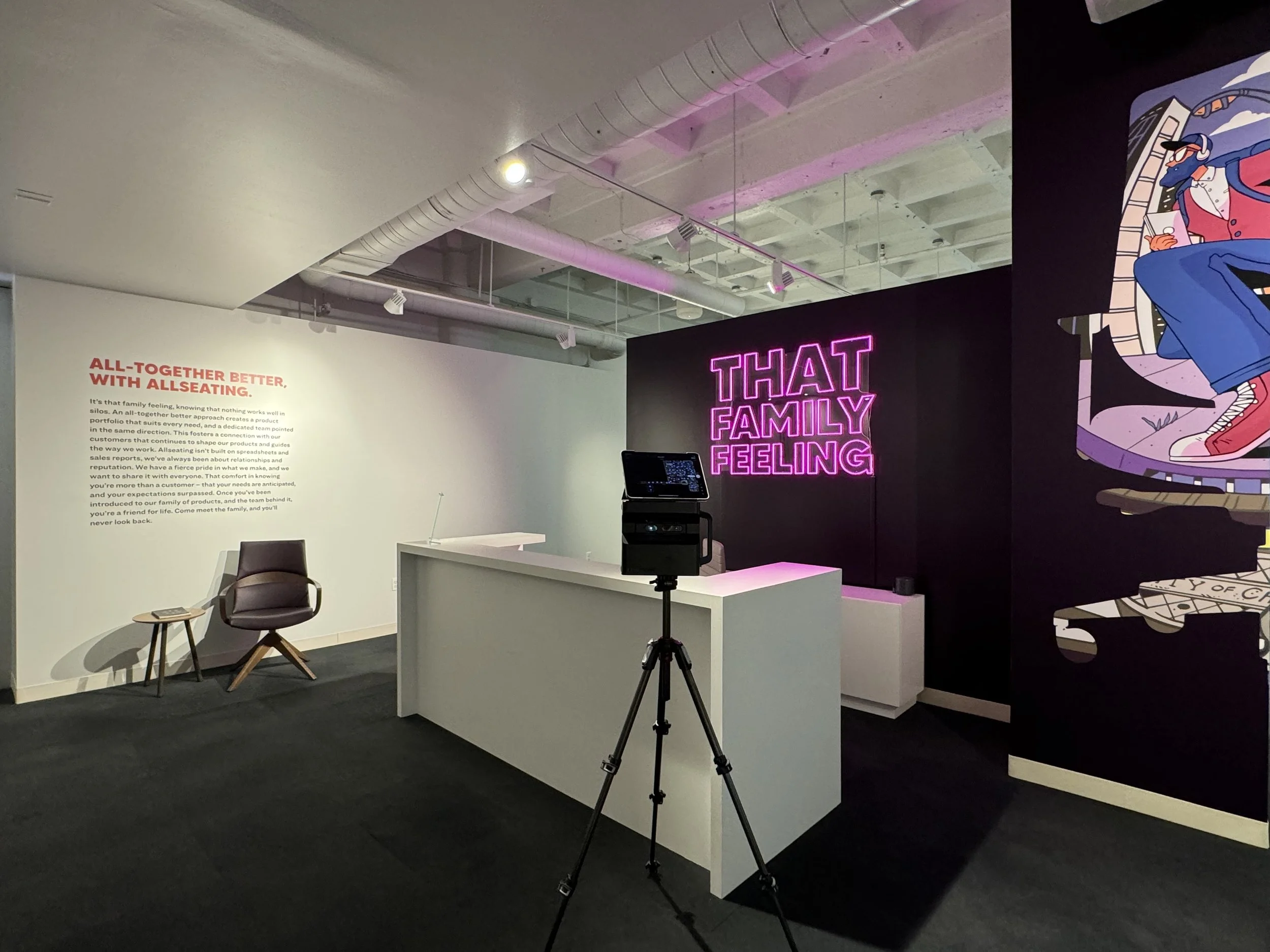
Revolutionizing Commercial Design Showrooms with 3D Virtual Tours
This year, we’re thrilled to participate in the NeoCon 2024 show in Chicago, supporting the commercial design industry with our augmented and virtual reality experiences. In this blog post, we’ll delve into the numerous benefits of 3D virtual tours and how they can elevate your showroom to new heights.
In the ever-evolving landscape of commercial furniture, staying ahead of the curve means embracing technology that enhances the buying experience and streamlines operations. At Lightbound 3D, we specialize in providing cutting-edge Matterport Real Estate and Virtual Tours. This year, we’re thrilled to participate in the NeoCon 2024 show in Chicago, supporting the commercial design industry with our augmented and virtual reality experiences. In this blog post, we’ll delve into the numerous benefits of 3D virtual tours and how they can elevate your showroom to new heights.
Enhanced Customer Engagement
One of the most significant advantages of 3D virtual tours is the unparalleled level of customer engagement they offer. Traditional showrooms require customers to physically visit the location, which can be a significant barrier. With 3D virtual tours, potential buyers can explore your showroom from the comfort of their homes or offices, at any time that suits them. This convenience translates to increased engagement, as customers can take their time to explore and make informed decisions.
Immersive Experience
A 3D virtual tour provides an immersive experience that photos and videos simply cannot match. Using advanced Matterport technology, we create a realistic, interactive 3D model of your showroom. Customers can “walk” through the space, zoom in on details, and even see products from different angles. This immersive experience helps customers visualize how the furniture will look and feel in their own spaces, bridging the gap between online browsing and in-person shopping.
Cost-Effective and Efficient
Setting up and maintaining a physical showroom can be costly and time-consuming. Rent, utilities, staffing, and maintenance all add up. A 3D virtual tour, on the other hand, is a one-time investment that can be used indefinitely. It allows you to showcase your products without the need for a large physical space, reducing overhead costs. Additionally, updates to the showroom can be made digitally, saving time and money.
Increased Reach
A physical showroom limits your reach to the local area, but a 3D virtual tour is accessible to anyone with an internet connection. This expanded reach means you can attract potential buyers from all over the world, increasing your customer base and potential sales. For businesses looking to expand into new markets, this is a game-changer.
Interactive Features
Our 3D virtual tours are not just about walking through a space; they include interactive features that enhance the customer experience. Embedded tags can provide detailed information about specific products, including dimensions, materials, and pricing. Customers can also view videos, read reviews, and even see how different pieces of furniture look together through virtual staging. These features provide a richer, more informative shopping experience.
Improved Sales and Marketing
A 3D virtual tour is a powerful sales and marketing tool. It can be easily integrated into your website, shared on social media, and included in email campaigns. Potential customers can explore your showroom at their convenience, which increases the likelihood of them making a purchase. Additionally, analytics from the virtual tour can provide valuable insights into customer behavior, helping you refine your marketing strategies and improve sales.
Time-Saving for Customers and Sales Teams
A 3D virtual tour saves time for both customers and sales teams. Customers can explore the showroom at their own pace, without the need to schedule appointments or travel. This is particularly beneficial for busy professionals or those located far from the showroom. For sales teams, virtual tours can pre-qualify leads by allowing customers to do their research beforehand, making in-person visits more productive.
Sustainability
In today’s eco-conscious world, sustainability is more important than ever. A 3D virtual tour reduces the need for physical travel, lowering your carbon footprint. It also minimizes the waste associated with maintaining and updating a physical showroom. By choosing a virtual showroom, you’re making an environmentally friendly choice that resonates with today’s consumers.
Supporting Furniture Manufacturers at NeoCon 2024
At Lightbound 3D, we’re excited to support furniture manufacturers at the 2024 NeoCon show in Chicago. NeoCon is the world’s leading platform for commercial design, where industry professionals gather to see the latest innovations. This year, we’re bringing our augmented and virtual reality experiences to the event, allowing attendees to immerse themselves in our 3D virtual tours.
By partnering with furniture manufacturers at NeoCon, we’re enabling them to showcase their products in an innovative and interactive way. Attendees will have the opportunity to explore virtual showrooms using VR headsets, providing a firsthand experience of the technology’s potential. We’ll also be demonstrating how our 3D virtual tours can be integrated with other technologies, such as augmented reality (AR) and Building Information Management (BIM), to create even more engaging and informative customer experiences.
Conclusion
The benefits of 3D virtual tours for commercial furniture showrooms are clear. From enhanced customer engagement and immersive experiences to cost savings and increased reach, this technology is revolutionizing the way we showcase and sell furniture. At Lightbound 3D, we’re at the forefront of this revolution, providing state-of-the-art virtual tours that transform the customer experience.
As we prepare for NeoCon 2024, we’re excited to share our innovations with the world and demonstrate how augmented and virtual reality can elevate your showroom to new heights. By supporting furniture manufacturers at the event, we’re helping them embrace the future of commercial furniture showrooms.
By leveraging 3D virtual tours, commercial furniture showrooms can not only stay competitive but also offer a superior shopping experience that meets the needs of today’s tech-savvy consumers. At Lightbound 3D, we’re committed to helping you achieve this transformation, ensuring your showroom stands out in a crowded market.

Boosting As-Built Drawings for Architects
In the realm of architecture and design, precision is paramount. Every detail, every measurement, every line matters. Traditionally, architects and designers relied on manual measurements and 2D blueprints. But technology has revolutionized this process. Enter point cloud data. This technology, combined with laser scanning, captures detailed spatial information of structures.
In the realm of architecture and design, precision is paramount. Every detail, every measurement, every line matters. Traditionally, architects and designers relied on manual measurements and 2D blueprints. But technology has revolutionized this process. Enter point cloud data. This technology, combined with laser scanning, captures detailed spatial information of structures. It's a game-changer for creating as-built drawings. In the realm of architecture and design, precision is paramount. Every detail, every measurement, every line matters.
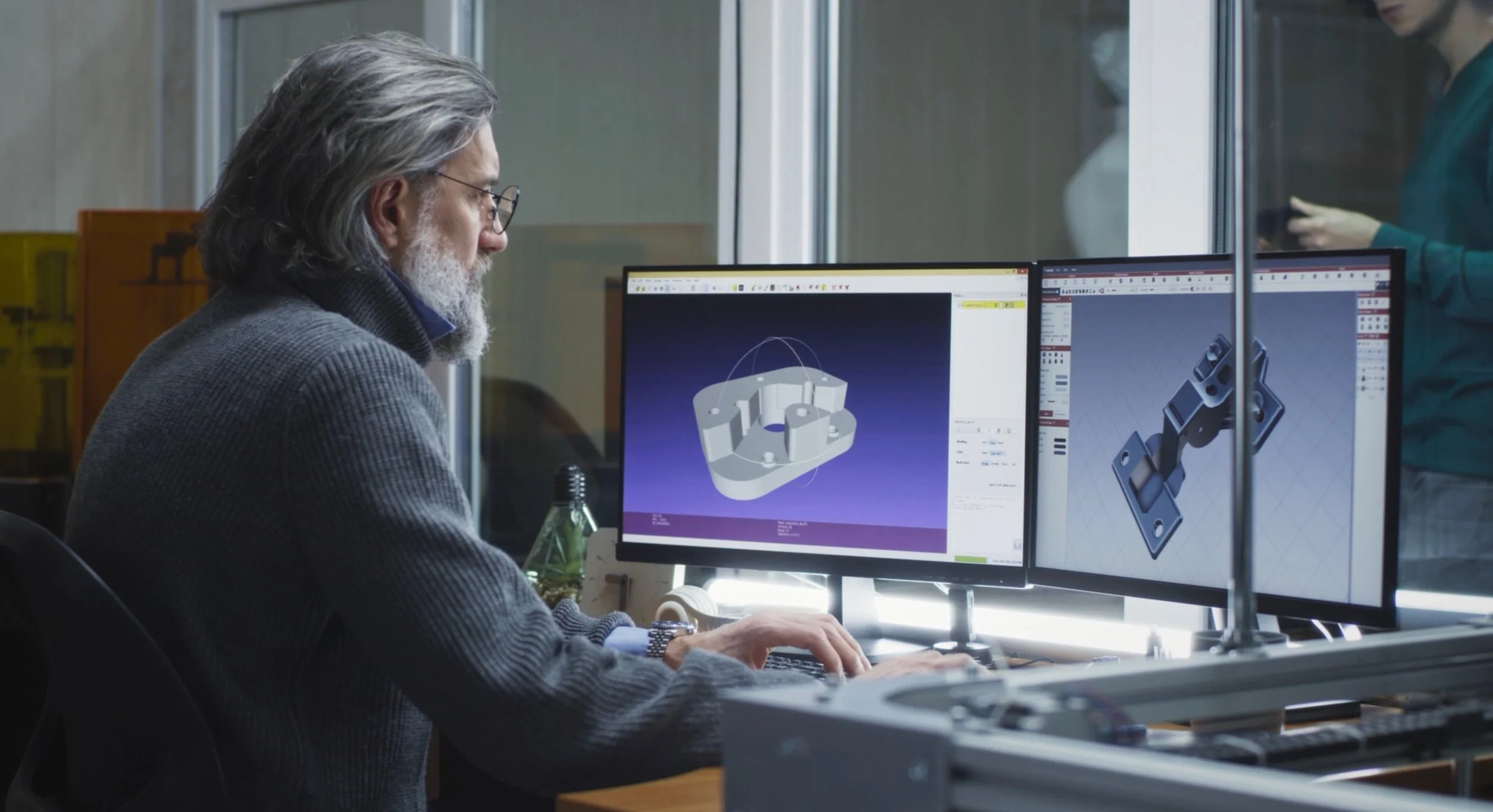
Understanding Point Cloud Data and Its Relevance in Architecture
Point cloud data is a collection of data points in a 3D coordinate system. These points represent the external surface of an object or a structure.
In architecture, point cloud data is crucial. It provides a digital representation of physical spaces. This data aids in creating accurate as-built drawings, 3D models, and visualizations. It's a tool that enhances precision, efficiency, and collaboration in architectural projects.
The Process of Capturing Point Cloud Data
The process of capturing point cloud data involves the use of laser scanning technology. This technology measures the distance between the scanner and the object by emitting a laser beam towards the object and recording the time it takes for the beam to return.
Laser Scanning Technology
Laser scanning technology is a non-intrusive method of collecting detailed spatial data. It captures millions of data points in a short time, providing a high level of detail and accuracy.
This technology is particularly useful in architecture. It allows for the capture of complex structures and spaces, which can then be accurately represented in as-built drawings and 3D models.

Geospatial Technology in Architecture
Geospatial technology plays a significant role in architecture. It enhances the understanding of physical spaces, providing valuable context for design decisions.
With geospatial technology, architects can analyze and interpret spatial data. This data can inform design strategies, helping architects create structures that are in harmony with their surroundings.
Increased Accuracy and Detail
One of the main advantages of point cloud data is its ability to capture a high level of detail. It provides a comprehensive view of the physical environment, capturing every nook and cranny.
This level of detail translates into increased accuracy in as-built drawings. It allows architects and designers to create drawings that accurately reflect the existing conditions of a site or structure.
Time-Saving and Error Reduction
Point cloud data also saves time in the design process. Traditional methods of data collection can be time-consuming and prone to errors.
With point cloud data, architects and designers can quickly capture a large amount of data. This not only speeds up the design process but also reduces the likelihood of errors in the final drawings.
Integrating Point Cloud Data with BIM
Point cloud data can be integrated with Building Information Modeling (BIM) to create a comprehensive digital representation of a building. This integration allows for a more detailed analysis of the building's structure and systems.

Comprehensive Building Analysis
The integration of point cloud data with BIM allows for a comprehensive analysis of a building. It provides a detailed view of the building's structure, systems, and components.
This level of detail can be used to identify potential issues, plan for renovations, and make informed decisions about the building's design and maintenance. It provides architects and designers with a powerful tool for understanding and managing buildings.
Case Studies: Point Cloud Data in Action
Point cloud data has been used in numerous architectural projects to improve accuracy and efficiency. For instance, it was used in the renovation of the historic Notre Dame Cathedral in Paris.
The data helped architects understand the intricate details of the cathedral's structure. It allowed them to create accurate as-built drawings, which were crucial for the restoration process. This case study highlights the potential of point cloud data in preserving architectural heritage.
Overcoming Challenges and Limitations
While point cloud data offers numerous benefits, it also presents some challenges. These include managing large datasets and ensuring data accuracy.
However, with the right tools and training, these challenges can be overcome. For instance, robust data management systems can handle large datasets, while rigorous quality control processes can ensure data accuracy.
Getting Started with Point Cloud Data for Architectural Drawings
For architects and designers new to point cloud data, the first step is understanding the technology. This includes learning about laser scanning and geospatial technology.
Next, it's important to invest in the right tools. This includes laser scanning equipment and software for processing and visualizing point cloud data.
Invest in laser scanning equipment
Learn about geospatial technology
Get software for processing and visualizing point cloud data
Tips for Architects and Designers
When starting with point cloud data, it's crucial to start small. Begin with a small project to understand the process and workflow.
Also, continuous learning is key. Stay updated with the latest advancements in point cloud data technology and applications. This will help you leverage the technology effectively in your projects.
The Future of Architectural Design with Point Cloud Data
Point cloud data is set to revolutionize architectural design. It's not just about creating accurate as-built drawings anymore.
The technology is paving the way for immersive design experiences. Integration with virtual reality (VR) and augmented reality (AR) is becoming more common. This allows architects and designers to visualize and interact with their designs in a whole new way.
Conclusion: Embracing the Digital Transformation
Embracing point cloud data is a step towards the digital transformation of the architectural industry. It's a powerful tool that enhances accuracy, efficiency, and creativity in design. As technology advances, the potential applications of point cloud data in architecture and design will continue to expand.

How to Enhance Curb Appeal with Exterior Elevations
The exterior of your home is the first impression it makes. It's what people see as they pass by or pull into your driveway. But it's not just about looks. The exterior elevation of a building plays a crucial role in its overall architecture. It can significantly impact the property's curb appeal and, consequently, its value.
The exterior of your home is the first impression it makes. It's what people see as they pass by or pull into your driveway.

But it's not just about looks. The exterior elevation of a building plays a crucial role in its overall architecture. It can significantly impact the property's curb appeal and, consequently, its value.
In this guide, we'll explore how to enhance your property's curb appeal using exterior elevations. We'll delve into the key elements that make up an attractive exterior, from symmetry and balance to color and texture.
Whether you're a homeowner looking to spruce up your property, a real estate investor aiming to maximize returns, or an architect seeking inspiration, this guide is for you.
Join us as we uncover the secrets of creating stunning exterior elevations that not only look good but also add value to your property.
Understanding Exterior Elevations
Exterior elevations are architectural drawings that depict the outside view of a building. They provide a flat representation of the building's facade from different angles.

The Importance of Exterior Elevations in Architecture
Exterior elevations are vital in architecture. They help architects and builders visualize the final look of a building.
Moreover, they provide crucial information about the building's design, including the placement of windows, doors, and other architectural details.
Defining Curb Appeal and Its Significance
Curb appeal refers to the attractiveness of a property when viewed from the street. It's the first impression your home makes on visitors, neighbors, and potential buyers.
A property with high curb appeal can command a higher price in the real estate market. It also contributes to the overall aesthetic of a neighborhood, enhancing its appeal.
Key Elements of Exterior Elevations
Creating an appealing exterior elevation involves several key elements. These elements work together to create a harmonious and visually pleasing facade.

The key elements include:
Symmetry and balance
Color and texture
Architectural details
Symmetry and Balance
Symmetry and balance play a crucial role in exterior elevations. They contribute to the overall harmony of the design.
A symmetrical facade, where elements mirror each other on either side of a central point, can create a sense of order and stability.
Color and Texture
Color and texture can significantly enhance a building's facade. They add depth and interest to the exterior design.
The right color palette can highlight architectural features, while texture can create visual contrast and tactile interest.
Architectural Details
Architectural details like trim, shutters, and molding add character to a building's exterior. They can transform a plain facade into a visually appealing one.
These details should complement the architectural style of the building and reflect the homeowner's personal taste.
Material Selection for Durability and Aesthetics
Choosing the right materials for your exterior elevation is crucial. It not only affects the aesthetics but also the durability of your home.

Materials like brick, stone, and wood have different textures and colors. They can significantly influence the overall look of your home.
At the same time, these materials need to withstand the elements. So, it's essential to consider factors like climate and maintenance requirements when selecting materials.
The Role of Lighting in Exterior Design
Lighting plays a significant role in exterior design. It can accentuate architectural features and improve safety.
Strategically placed outdoor lights can highlight the beauty of your exterior elevation. They can create a warm and inviting ambiance after sunset.
At the same time, well-lit exteriors can deter intruders. They can also prevent accidents by illuminating pathways and entrances.
Enhancing Exterior Elevations with Landscaping
Landscaping is a powerful tool to enhance your exterior elevations. It can complement your home's architecture and create a harmonious outdoor aesthetic.

Well-planned landscaping can soften hard lines and add color to your property. It can also provide privacy and create a welcoming entrance.
Complementary Landscaping for Your Home Exterior
When planning your landscaping, consider your home's architectural style. The plants and design elements should complement, not compete with, your home's exterior.
For instance, a modern home might benefit from structured, minimalist landscaping. On the other hand, a cottage-style home might look best with lush, informal plantings.
Windows, Doors, and Roof Design
Windows and doors play a crucial role in exterior elevations. They not only provide functionality but also contribute to the overall aesthetic of your home.

The roof, too, is a significant element. It can dramatically alter the look of your house and its curb appeal.
Selecting Complementary Windows and Doors
When choosing windows and doors, consider their style, size, and placement. They should complement the architectural style of your home.
Also, remember that windows and doors can add color and texture to your exterior elevations.
The Impact of Roof Design on Exterior Elevations
The roof design can enhance or detract from your home's exterior elevations. Its shape, color, and material should harmonize with the rest of your home.
Moreover, a well-maintained roof can significantly boost your property's curb appeal.
Updating and Maintaining Your Exterior Elevation
Over time, exterior elevations may need updates to maintain their appeal. This could involve minor changes or a complete overhaul.

Regular maintenance is also crucial to keep your home looking its best.
Strategies for Updating Existing Elevations
Updating your exterior elevations can be as simple as a fresh coat of paint. Alternatively, you might consider adding new architectural details or updating your landscaping.
Remember, any changes should enhance your home's existing features, not detract from them.
Regular Maintenance for Lasting Appeal
Regular maintenance is key to preserving your home's curb appeal. This includes cleaning, repairing, and repainting as necessary.
By keeping your exterior elevations in good condition, you can ensure they continue to add value to your property.
Conclusion: The Value of Professional Consultation
While many exterior elevation improvements can be DIY projects, consulting with a professional can be invaluable. They can provide expert advice and help you avoid costly mistakes.
In conclusion, enhancing your exterior elevations can significantly improve your home's curb appeal. With careful planning and regular maintenance, your home can continue to impress for years to come.
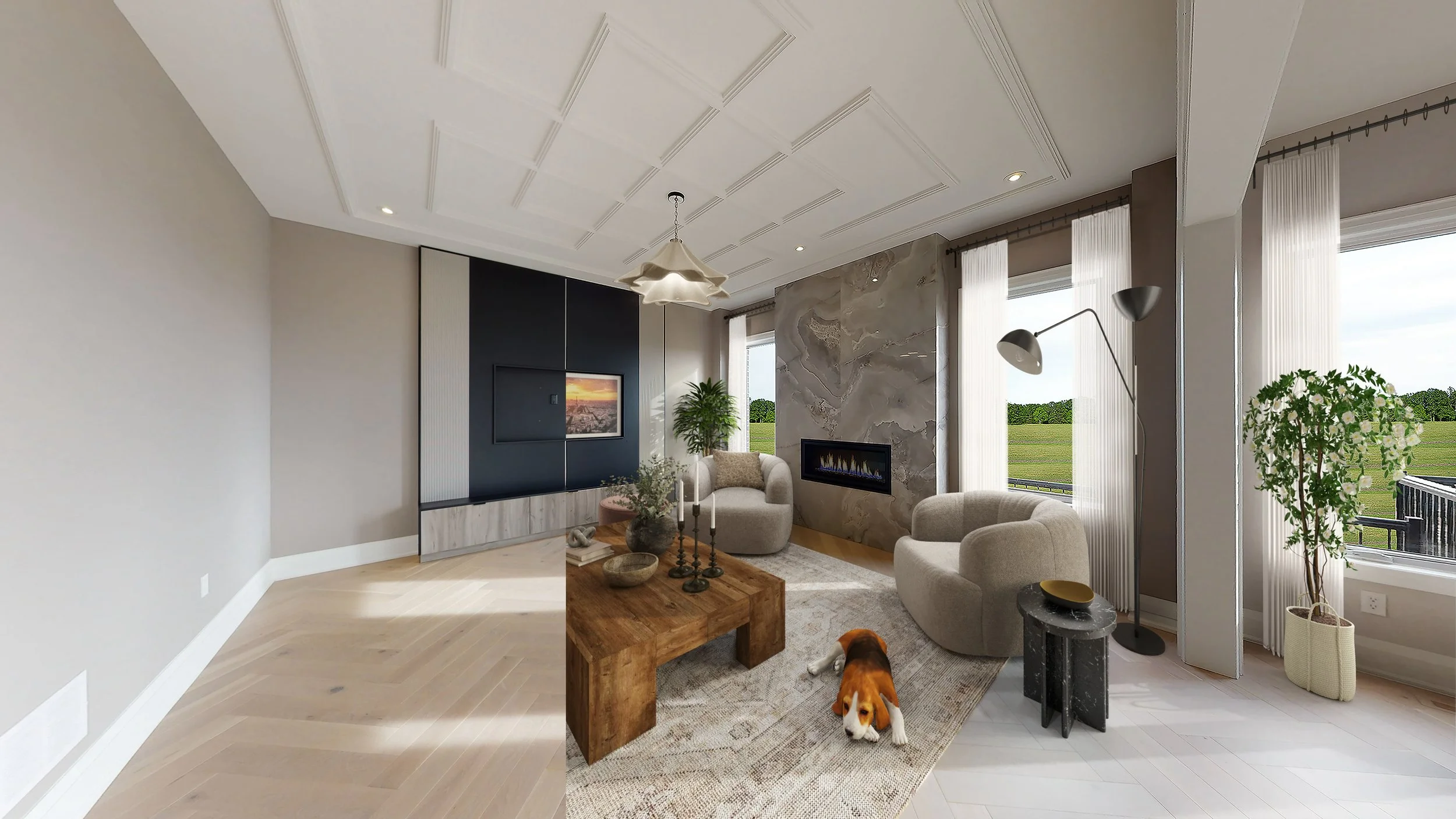
The Benefits of Virtual Staging in the Real Estate Market
In today's digital age, technology continues to revolutionize various industries, and real estate is no exception. One of the most impactful innovations in real estate marketing is virtual staging. This process involves digitally furnishing and decorating a property to showcase its potential, and it offers numerous benefits to both sellers and buyers. Here, we delve into the key advantages of virtual staging and how it is transforming the real estate market.
In today's digital age, technology continues to revolutionize various industries, and real estate is no exception. One of the most impactful innovations in real estate marketing is virtual staging. This process involves digitally furnishing and decorating a property to showcase its potential, and it offers numerous benefits to both sellers and buyers. Here, we delve into the key advantages of virtual staging and how it is transforming the real estate market.
1. Enhanced Visual Appeal
First impressions matter, especially in real estate. Properties that are visually appealing are more likely to attract potential buyers. Virtual staging allows real estate agents and sellers to present properties in the best possible light by adding stylish furniture, decor, and even making slight modifications to the interiors. This enhanced visual appeal helps potential buyers envision themselves living in the space, which can significantly increase their interest in the property.
2. Cost-Effective Solution
Traditional staging can be expensive and time-consuming. It involves renting furniture, hiring a staging company, and potentially even storage costs for existing furniture. Virtual staging, on the other hand, is a cost-effective alternative. It eliminates the need for physical furniture and the associated logistical challenges. For a fraction of the cost, sellers can have high-quality, visually appealing images that make their property stand out in the market.
3. Faster Sales
Properties that are virtually staged tend to sell faster. According to the Real Estate Staging Association, staged homes sell 73% faster than non-staged homes. This is because virtual staging helps create an emotional connection with buyers. When buyers can see a property as a finished product, they are more likely to make quicker decisions. This reduction in the time a property spends on the market can be a significant advantage for sellers.
4. Flexibility and Customization
One of the standout benefits of virtual staging is its flexibility. Unlike traditional staging, where physical furniture must be moved in and out, virtual staging allows for quick changes and customizations. If a particular style or arrangement doesn't appeal to potential buyers, it can be easily altered in the digital images. This flexibility ensures that the property can be tailored to meet the preferences of a diverse range of buyers.
5. Overcoming the Empty Room Challenge
Empty rooms can be difficult for buyers to interpret. They often struggle to visualize how furniture will fit and how the space can be utilized. Virtual staging fills this gap by providing context. It helps buyers understand the scale and functionality of each room, making it easier for them to see how their own furniture and belongings would fit into the space. This visualization can make a significant difference in their decision-making process.
6. Highlighting Potential
Virtual staging isn't just about adding furniture; it can also highlight a property's potential by showcasing different uses for spaces. For example, a small room can be staged as a home office, a nursery, or a guest room, depending on the target market. This ability to demonstrate various possibilities can broaden the appeal of the property and attract a wider range of buyers.
7. Improving Online Listings
In today's real estate market, the majority of buyers start their search online. High-quality photos are crucial for making a strong first impression. Virtual staging enhances online listings by providing visually compelling images that capture attention. Well-staged photos can increase the number of clicks and views a listing receives, leading to more inquiries and showings.
8. Adapting to Market Trends
Real estate trends and buyer preferences can change rapidly. Virtual staging allows sellers and agents to quickly adapt to these changes without the need for new furniture or decor. Whether it's a shift towards minimalist design or a preference for home offices, virtual staging can be adjusted to reflect the latest trends, ensuring that the property remains competitive in the market.
9. Reducing the Need for Physical Visits
Given the rise of virtual tours and remote buying, virtual staging plays a crucial role in providing a comprehensive view of the property. Potential buyers can get a better sense of the space without needing to visit in person, which is particularly beneficial in times of travel restrictions or for out-of-town buyers. This convenience can expedite the buying process and lead to quicker sales.
10. Environmental Benefits
Lastly, virtual staging is an environmentally friendly option. It reduces the need for physical resources such as furniture, transportation, and waste associated with traditional staging. By opting for digital solutions, the real estate industry can contribute to sustainability efforts and reduce its carbon footprint.
Conclusion
Virtual staging is a powerful tool in the modern real estate market. Its ability to enhance visual appeal, provide cost-effective solutions, and offer unparalleled flexibility makes it an attractive option for sellers and agents alike. As technology continues to advance, virtual staging will likely become an even more integral part of real estate marketing strategies, helping properties to sell faster and at higher prices.
By leveraging the benefits of virtual staging, real estate professionals can stay ahead in a competitive market, providing potential buyers with a clear vision of their future home.

How Laser Scanning Helps Facilities Managers Maintain Their Commercial Buildings
Leverage the potential of laser scanning to improve your facilities management procedures, ensuring that your commercial properties are kept to the highest standards and continue to be a valuable resource for many years.
In the ever-evolving realm of real estate, digital transformation is no longer a futuristic concept but a present-day reality. Facilities managers, in particular, are reaping the benefits of this shift. One of the most groundbreaking advancements in this field is the advent of laser scanning and point cloud data, a technology that is transforming real estate management by providing precise and comprehensive data about buildings. Let's delve into how laser scanning, including 3D scanning services, is revolutionizing the maintenance of commercial buildings.
The Power of 3D Laser Scanning
Laser scanning, especially terrestrial laser scanning, involves the use of laser technology to capture detailed and accurate measurements of a building’s interior and exterior. This technology is crucial for facilities managers who need to maintain and manage commercial buildings efficiently.
Key Benefits of Laser Scanning for Facilities Management:
Accurate Data Collection
Laser scanning provides highly accurate data about a building's structure, dimensions, and layout. This data is essential for calculating the gross internal area (GIA) and gross floor area (GFA), critical metrics in facilities management. Understanding what the gross floor area means helps in planning maintenance schedules and managing space utilization effectively.
Detailed 3D Models
The data collected through laser scanning can be used to create detailed 3D models of buildings. These models are invaluable for visualizing the current state of the building, identifying potential issues, and planning renovations or maintenance tasks. They also support Building Information Management (BIM) processes, enabling better collaboration and information sharing among stakeholders.
Enhanced Maintenance Planning
Facilities managers can use 3D laser scanning services to detect wear and tear, structural issues, and other maintenance needs that are not always visible to the naked eye. Early detection allows for proactive maintenance, reducing the risk of costly repairs and downtime.
Efficiency and Cost Savings
By utilizing laser scanning, facilities managers can reduce the time and labor required for manual inspections and measurements. The efficiency gained through this technology translates into significant cost savings over time.
Accessibility of Data
3D scanning services are becoming more accessible for facilities managers, making it a practical option for buildings of any size. The digital transformation in real estate is making advanced tools like laser scanning more accessible and affordable.
Real-World Applications in Commercial Buildings
Facilities managers in various sectors, including AEC (Architecture, Engineering, and Construction), are leveraging laser scanning to improve their operations. Here are some practical applications:
Building Condition Assessments
Regular scans can help assess the condition of a building’s structure and systems, ensuring they are maintained to the highest standards.
Space Management
Accurate measurements of GIA and GFA allow for better space management, helping to optimize the use of available space and improve operational efficiency.
Renovation and Retrofit Projects
Detailed 3D models support renovation and retrofit projects by providing precise data for planning and execution. This minimizes errors and ensures that projects are completed on time and within budget.
Compliance and Safety
Laser scanning helps ensure compliance with safety regulations by providing accurate and up-to-date information about the building’s structure and systems.
Conclusion
Laser scanning is transforming real estate management by providing facilities managers with the tools they need to maintain and manage commercial buildings more effectively. As digital transformation in real estate continues to evolve, the adoption of advanced technologies like 3D laser scanning will become increasingly essential. Whether you are searching for "3D laser scanning services near me" or exploring how digital transformation in real estate can benefit your operations, laser scanning offers a wealth of advantages that can help you stay ahead in the competitive world of facilities management.
Embrace the power of laser scanning to enhance your facilities management practices, ensuring that your commercial buildings are maintained to the highest standards and remain a valuable asset for years to come.

The Essentials of Effective Laser Scanning for Building Projects
Laser scanning technology has revolutionized the way we approach construction and architectural projects. Utilizing highly detailed and accurate measurements, 3D laser scanning services are critical in capturing existing conditions and facilitating efficient project planning and management. Whether it's a restoration, renovation, or new construction, understanding the best practices for effective laser scanning can dramatically improve the accuracy and utility of your final models.
The Essentials of Effective Laser Scanning for Building Projects
Laser scanning technology has revolutionized the way we approach construction and architectural projects. Utilizing highly detailed and accurate measurements, 3D laser scanning services are critical in capturing existing conditions and facilitating efficient project planning and management. Whether it's a restoration, renovation, or new construction, understanding the best practices for effective laser scanning can dramatically improve the accuracy and utility of your final models.
1. Choosing the Right Scanner for the Job
The type of scanner plays a crucial role in the success of a laser scanning project. Terrestrial laser scanning (TLS) systems are renowned for their accuracy and are ideal for detailed construction projects. These high-resolution 3D laser scanners provide detailed point cloud data necessary for creating precise 3D BIM models. Facilities managers and project planners should seek out “3D scanning services near me” to find local expertise and cutting-edge equipment.
2. Understanding Measurements and Areas
Laser scanning helps accurately capture both the gross floor area and gross internal area, which are vital for planning and regulatory compliance. The gross floor area means the total area enclosed within the building, including walls, while the gross internal area covers the total area of all floors within the shell of the building. Accurate capture of these measurements ensures that all planning and design activities are based on true physical dimensions.
3. Integration with BIM (Building Information Modeling)
Integrating laser scan data into BIM platforms is a cornerstone of modern AEC (Architecture, Engineering, and Construction) practices. A 3D BIM model enriched with scan data from existing conditions allows architects and engineers to visualize and manipulate real-world conditions in a virtual environment. This integration supports everything from project management to reverse engineering.
4. Maximizing the Level of Detail
The level of detail (LOD) in your captured data can significantly affect your project’s outcomes. For projects requiring high fidelity, it's important to utilize scanners that can capture built data at the desired resolution. This highly detailed point cloud data is essential for creating accurate floor plans and facilitating reality capture, which is crucial for complex or sensitive projects.
5. Effective Project Management
Effective management of laser scanning activities involves careful planning and coordination. Ensure that the scope of scanning provides comprehensive coverage of all necessary areas. Utilize experienced scan technicians who understand the nuances of construction projects and can optimize the scanning process to capture all relevant data efficiently.
6. Use of Advanced Processing Software
Once the scan data is collected, it needs to be processed into usable formats. Advanced software can transform raw data into formats that are compatible with BIM software, enhancing the utility of the captured data. This processing is crucial for ensuring that the data can be effectively used for design, analysis, and decision-making.
7. Regular Calibration and Maintenance of Equipment
To ensure that 3D laser scanners and other related equipment deliver accurate measurements, regular calibration and maintenance are essential. This preventative measure helps avoid potential discrepancies in scan data, which can lead to costly mistakes and delays in construction projects.
8. Collaboration and Communication
Laser scanning projects require the collaboration of various stakeholders, including architects, engineers, construction managers, and facilities managers. Effective communication among all parties ensures that the scan data meets the project’s requirements and supports all phases of the construction lifecycle.
Conclusion
Laser scanning is a powerful tool in the arsenal of modern AEC professionals, offering a path to more accurate, efficient, and detailed building analysis and project management. By following these best practices, professionals can leverage this technology to its full potential, ensuring that their construction projects are not only successful but also optimal in terms of cost, time, and resources. For those seeking “scan services near me,” remember to look for providers that offer the latest in 3D laser scanning technology and have a robust portfolio of successful projects.
The Strategic Benefits of CoStar's Acquisition of Matterport
At Lightbound 3D, we are thrilled about the CoStar Group's acquisition of Matterport! This merger marks a monumental step forward in the real estate digital landscape, promising enhanced 3D virtual experiences that align closely with our vision of innovation and quality.
CoStar Group's recent acquisition of Matterport marks a significant advancement in the real estate industry, particularly in how properties are marketed and viewed digitally. Here are the key benefits this merger brings to the table:
Enhanced Digital Experience: CoStar can now integrate Matterport's 3D imaging and digital twin technology across its platforms, offering a more immersive virtual tour experience. This will likely increase user engagement and time spent on listings, enhancing the overall user experience.
Broadened Market Reach: With Matterport’s technology, CoStar can expand its digital offerings beyond just property listings to include more complex digital modeling for various market needs, potentially capturing a larger market share.
Improved Listing Quality: The integration of Matterport's detailed 3D models will improve the quality of property listings, providing potential buyers and renters with a more accurate and detailed view of the properties. This can help in better decision-making and reduce the time spent on physical tours.
Innovation and Competitive Edge: The acquisition places CoStar at the forefront of innovation in the real estate digital marketplace. CoStar can leverage Matterport's advanced technology to stay ahead of competitors and offer unique features that others may not have.
Operational Synergies: CoStar's extensive real estate database combined with Matterport's imaging technology can lead to significant operational efficiencies. These synergies can optimize costs and improve service delivery, making the platforms more effective and user-friendly.
The CoStar-Matterport deal is poised to reshape the future of real estate marketing, offering a more detailed, interactive, and efficient approach to online property exploration. By leveraging each other's strengths, they can deliver unparalleled value to their users, setting new standards in the industry.
At Lightbound 3D, we are thrilled about the CoStar Group's acquisition of Matterport! This merger marks a monumental step forward in the real estate digital landscape, promising enhanced 3D virtual experiences that align closely with our vision of innovation and quality. We look forward to seeing how these new developments can further enrich our service offerings and expand the possibilities for our clients and the industry at large. The future of real estate visualization is bright, and we are excited to be part of this evolving journey.

Enabling Live Interactions in 3D Virtual Tours
In today's real estate market, technology continues to push the boundaries of how we explore, collaborate, and ultimately decide on our next living space. One of the most exciting advancements is the integration of live interactions within 3D virtual tours. This technology is not just changing how agents sell properties—it's redefining the entire buying experience.
In today's real estate market, technology continues to push the boundaries of how we explore, collaborate, and ultimately decide on our next living space. One of the most exciting advancements is the integration of live interactions within 3D virtual tours. This technology is not just changing how agents sell properties—it's redefining the entire buying experience.
The Power of 3D Virtual Tours
3D virtual tours have been around for a while, allowing potential buyers to navigate through properties digitally before deciding whether to visit in person. These tours give a realistic sense of the property’s layout, decor, and ambiance. However, the recent addition of live interaction capabilities takes these experiences to a whole new level.
Live Interactions: A Game Changer
Live interaction features in 3D virtual tours can be likened to having a real estate agent or a designer right there with you, guiding you through the property. But instead of being physically present, they interact with you through live chat or video calls embedded within the virtual tour platform. Here’s how this technology is transforming key aspects of the real estate business:
Enhanced Exploration
Live interactions enable potential buyers to explore properties more thoroughly. As they navigate through the 3D tour, they can ask questions and receive answers in real-time. This immediate communication helps to clarify doubts quickly, making the exploration process more effective and engaging.
Improved Collaboration
Buying a home is often a collaborative decision. Live interactions within virtual tours allow multiple stakeholders, like family members or investment partners, to join the tour from different locations. They can discuss and evaluate the property together in real-time, making collaborative decision-making seamless and more informed.
Efficient Sales Process
Real estate agents benefit significantly from live interaction features. By hosting live tours, they can interact with multiple clients across various time zones without the need for physical travel. This efficiency can lead to faster decision-making, increased sales, and higher customer satisfaction as clients feel more supported and engaged throughout the process.
Real-World Applications
Consider a young couple looking for their first home. Through a live interactive 3D tour, they can navigate through various properties while simultaneously discussing their needs with an agent. They can ask for close-ups of kitchen finishes, test out light fixtures, or explore the view from a balcony—all in real-time. This level of interactive exploration can significantly enhance their understanding and connection with the property.
The Future of Real Estate
As technology continues to evolve, the potential for even more advanced features in 3D virtual tours is vast. Imagine a scenario where AI-powered bots join live interactions, providing instant data about the property or neighborhood based on user queries. Or consider the possibility of augmented reality (AR) elements that allow users to place their furniture in the virtual space to visualize it as their own.
The integration of live interactions in 3D virtual tours is not just a temporary trend; it's a fundamental shift in the real estate landscape. This technology empowers buyers and sellers to connect more meaningfully, breaking down traditional barriers to communication and decision-making. It ensures that the process is not only about transactions but also about building trust and rapport, transforming how properties are presented and sold in the digital age.
As we look to the future, the role of real estate professionals will evolve alongside these technological advancements, enhancing their ability to provide value and drive customer satisfaction. The fusion of technology and personalized service in 3D virtual tours is just the beginning, and its impact will be felt across the industry for years to come.

How 3D Virtual Tours are Revolutionizing the Hospitality Industry
The advent of 3D virtual tours is dramatically reshaping the landscape of the hospitality industry, providing a dynamic way for hotels, resorts, and other properties to enhance guest engagement and boost bookings. Here's an exploration of how this innovative technology is making waves, transforming the way establishments connect with potential guests, and enhancing the overall guest experience.
The advent of 3D virtual tours is dramatically reshaping the landscape of the hospitality industry, providing a dynamic way for hotels, resorts, and other properties to enhance guest engagement and boost bookings. Here's an exploration of how this innovative technology is making waves, transforming the way establishments connect with potential guests, and enhancing the overall guest experience.
Enhancing Visual Marketing
Marketing strategies in hospitality have always hinged on the ability to showcase properties in their best light. 3D virtual tours elevate this capability to an unprecedented level. Unlike traditional photographs or video tours, 3D tours offer a fully immersive experience. Potential guests can virtually walk through a property, exploring rooms, amenities, and facilities at their own pace and from the comfort of their home. This can dramatically increase a property's appeal and significantly drive up booking rates.
Increasing Booking Confidence
One of the most significant impacts of 3D tours is on consumer confidence. Booking a hotel or resort often involves uncertainty, particularly when traveling to unfamiliar destinations. 3D virtual tours diminish this uncertainty, offering a transparent, interactive view of the property. This transparency not only builds trust but also helps in reducing the rate of booking cancellations, as guests know exactly what to expect upon arrival.
Streamlining Decision-Making Processes
For groups and event planners, 3D tours can simplify the decision-making process. Whether planning a wedding, a corporate event, or a large family reunion, event planners can explore multiple venues quickly and easily, without the need to travel to each location. This not only saves time but also reduces the expenses involved in scouting potential venues.
Customizing Guest Experiences
Another exciting development facilitated by 3D technology is the ability to customize experiences before even setting foot on the property. Some innovative properties are using 3D tours to allow guests to choose specific rooms based on their virtual experience, or even to request custom arrangements such as the layout of a meeting room, specific decor, or pre-set amenities in their rooms.
Training and Operational Efficiency
Beyond guest interaction, 3D virtual tours are also transforming internal operations. They can serve as excellent training tools for new staff, familiarizing them with the layout and services of the property before they start, which can enhance operational efficiency and improve guest services. Additionally, they can help in maintenance and operations by providing a detailed view of the property’s facilities, aiding in planning renovations or repairs without the need to physically inspect every area.
Competitive Edge in a Digital Age
In today's digital era, the use of advanced technologies such as 3D virtual tours can significantly differentiate a hospitality business from its competitors. Properties that adopt and integrate this technology effectively are seen as forward-thinking and customer-centric, which can greatly enhance their brand appeal.
Conclusion
3D virtual tours represent a powerful tool in the arsenal of hospitality businesses, capable of transforming guest experiences, streamlining operations, and boosting bookings. As this technology becomes more accessible and affordable, its adoption within the industry is expected to accelerate, setting new standards in how hospitality businesses market themselves and interact with potential guests. For any property looking to enhance its market presence and operational efficiency, embracing 3D virtual tours is not just an option; it’s becoming a necessity.

Elevating Standards: The Role of Drone Inspections in Construction and Building Verification
In recent years, the construction industry has seen a revolutionary shift in how inspections and verifications are conducted, thanks to the advent and integration of drone technology. Drone inspections have emerged as a game-changer, offering a blend of efficiency, safety, and precision that traditional methods struggle to match. This blog post explores how drones are transforming the landscape of construction and building inspections, making them more accessible, accurate, and efficient than ever before.
Unmanned Aerial Inspections: A New Perspective
Gone are the days when scaffolding and ladders were the only means to inspect a building's facade or a construction site's progress. Drones, or Unmanned Aerial Vehicles (UAVs), equipped with high-resolution cameras and other sensors, now offer a bird's-eye view, providing detailed visual data that was once hard or even impossible to obtain. This capability is not just about convenience; it's about creating a safer, more efficient, and cost-effective approach to construction and building inspections.
Advantages of Drone Inspections
1. Enhanced Safety: Safety is a paramount concern in any construction project. Drones minimize the need for personnel to physically access dangerous or hard-to-reach areas, significantly reducing the risk of accidents.
2. Time and Cost Efficiency: Conducting inspections with drones is quicker than traditional methods, reducing downtime and labor costs. Drones can cover large areas in a fraction of the time it would take a human inspector, streamlining the inspection process.
3. Detailed and Accurate Data: Drones equipped with advanced imaging technology can capture detailed photographs, videos, and thermal images. This data is invaluable for identifying defects, ensuring compliance with plans, and monitoring the project's progress.
4. Improved Accessibility: Drones can easily access and inspect challenging locations, such as high roofs, tall structures, and expansive construction sites, ensuring no area is overlooked.
5. Environmental Monitoring: Beyond structural inspections, drones can also monitor environmental conditions and compliance, ensuring that construction projects adhere to environmental standards and regulations.
Applications in Construction and Building Inspections
Drone inspections have found diverse applications in the construction industry, including:
Pre-construction Surveys: Drones can survey potential construction sites, providing crucial data for planning and design.
Ongoing Construction Monitoring: UAVs offer a way to continuously monitor construction progress, compare it against project timelines, and adjust workflows as needed.
Structural Inspections: Drones inspect buildings for structural integrity, damage, or wear and tear, facilitating regular maintenance and safety checks.
Compliance Verification: UAVs help verify that construction projects comply with architectural plans and building codes, ensuring quality and regulatory compliance.
Roof Inspections: Specifically, drones have revolutionized roof inspections, providing a safe and efficient way to assess conditions, identify issues, and estimate repair costs.
The Future of Drone Inspections
As drone technology continues to advance, the potential for its application in construction and building inspections grows. Innovations in AI and machine learning are making drones smarter, enabling automated inspections, real-time data analysis, and predictive maintenance. Furthermore, integration with Building Information Modeling (BIM) systems is enhancing the ability to manage projects and maintain buildings efficiently.
Conclusion
Drone inspections represent a significant leap forward in how we approach construction and building maintenance. By harnessing the power of UAV technology, the construction industry can achieve higher safety standards, better quality control, and increased operational efficiency. As drones become more sophisticated and integrated into construction processes, we can expect to see even greater improvements in how projects are planned, monitored, and executed. The sky's the limit for drones in construction, and the industry is just beginning to explore the full extent of their potential.
The adoption of drone technology in construction and building inspections is not just a trend; it's a testament to the industry's evolution towards embracing digital innovation for better outcomes. As we look to the future, drones will undoubtedly play a pivotal role in shaping the landscapes of our cities and the standards by which we build them.

Streamline manufacturing processes with 3D Digital Twins
In the evolving landscape of manufacturing, the adoption of innovative technologies is not just a trend but a necessity for staying competitive. Among these technologies, 3D digital twins stand out as a transformative tool for streamlining training and improving factory processes. This blog post explores how leveraging 3D digital twins can revolutionize manufacturing operations, enhance employee training, and significantly optimize production processes.
In the evolving landscape of manufacturing, the adoption of innovative technologies is not just a trend but a necessity for staying competitive. Among these technologies, 3D digital twins stand out as a transformative tool for streamlining training and improving factory processes. This blog post explores how leveraging 3D digital twins can revolutionize manufacturing operations, enhance employee training, and significantly optimize production processes.
Understanding 3D Digital Twins
A 3D digital twin is a virtual replica of a physical entity, process, or system. This technology goes beyond mere visual representation; it includes real-time data, interactive elements, and analytics, which allow for detailed analysis and simulation. In the context of manufacturing, digital twins can replicate entire factories, production lines, or specific machinery, providing an invaluable resource for training and process improvement.
Streamlining Training with 3D Digital Twins
Interactive Learning Environments
Traditional training methods often rely on manuals, videos, or direct observation, which can be time-consuming and may not fully engage learners. 3D digital twins create interactive and immersive learning environments where employees can explore and interact with virtual models of their workspaces and machinery. This hands-on experience enhances understanding and retention, allowing for more effective training.
Safe Simulation of Scenarios
Training in a live factory environment can pose safety risks, especially for novices. With digital twins, employees can safely simulate various operational scenarios, including handling emergencies or machine failures, without any real-world risk. This approach not only protects workers but also builds their confidence in managing different situations.
Customized Learning Paths
3D digital twins enable the customization of training modules according to the specific needs of an employee or role. Workers can progress at their own pace, revisiting complex topics as needed. This personalized learning experience ensures that all team members are adequately prepared for their responsibilities.
Improving Factory Processes with 3D Digital Twins
Real-time Monitoring and Analytics
Digital twins integrate with IoT devices and sensors within the factory to provide real-time monitoring and analytics. This integration allows for the identification of inefficiencies, bottlenecks, and opportunities for process optimization. Managers can use these insights to make informed decisions and implement improvements quickly.
Predictive Maintenance and Scenario Testing
One of the significant advantages of digital twins is their ability to simulate future scenarios based on current data. This capability is particularly useful for predictive maintenance, where the system can forecast machinery failures before they occur, reducing downtime and maintenance costs. Additionally, factories can test potential process changes in the virtual environment to assess their impact without disrupting actual production.
Collaboration and Innovation
Digital twins facilitate collaboration among team members, who can access the virtual factory model from anywhere. This accessibility encourages the sharing of ideas and problem-solving strategies, driving innovation. Furthermore, the ability to experiment with process changes in a risk-free environment promotes a culture of continuous improvement.
Conclusion
The integration of 3D digital twins into manufacturing operations offers a compelling solution for enhancing training and improving factory processes. By creating realistic, interactive learning experiences, providing insights through real-time data, and enabling the safe simulation of scenarios, digital twins serve as a foundational technology for the factories of the future. As industries continue to embrace digital transformation, the role of 3D digital twins in streamlining operations and fostering innovation will undoubtedly expand, marking a new era in manufacturing excellence.

Transforming the AEC Landscape: The Revolutionary Impact of Laser Scanning
The Architecture, Engineering, and Construction (AEC) industries are undergoing a significant transformation, driven by the integration of advanced technologies. Among these, laser scanning stands out as a pivotal innovation, revolutionizing project planning, execution, and management. This blog post delves into the myriad benefits of laser scanning, illustrating how it is reshaping the AEC industries.
The Architecture, Engineering, and Construction (AEC) industries are undergoing a significant transformation, driven by the integration of advanced technologies. Among these, laser scanning stands out as a pivotal innovation, revolutionizing project planning, execution, and management. This blog post delves into the myriad benefits of laser scanning, illustrating how it is reshaping the AEC industries.
Precision and Accuracy
Laser scanning, also known as 3D scanning or LiDAR, employs laser light to precisely measure and capture the environment in three dimensions. This technology enables the creation of detailed digital replicas of physical sites, known as point clouds. The accuracy of laser scanning is unparalleled, capturing minute details and irregularities that traditional survey methods might miss. This precision facilitates error detection early in the design phase, reducing costly revisions during construction.
Time and Cost Efficiency
One of the most compelling advantages of laser scanning is its efficiency. Traditional surveying methods are time-consuming and labor-intensive, often requiring multiple site visits. In contrast, laser scanning can capture comprehensive data in a single visit, dramatically reducing man-hours and associated costs. The speed of data acquisition also means that projects can move forward more rapidly, shortening the overall project timeline.
Enhanced Collaboration and Communication
The digital models generated from laser scans can be shared across teams, irrespective of their physical location. This fosters better collaboration and communication among architects, engineers, and construction professionals. Stakeholders can visualize the project in a detailed and interactive 3D environment, making it easier to discuss plans, identify potential issues, and make informed decisions.
Risk Mitigation
Laser scanning plays a crucial role in risk management within the AEC industries. By providing accurate measurements and detailed models of existing conditions, it helps in identifying hazards and planning mitigation strategies beforehand. This proactive approach not only ensures the safety of the construction crew but also minimizes the risk of project delays and cost overruns.
Sustainability
Sustainability is a growing concern in the AEC industries. Laser scanning contributes to sustainable practices by enabling precise material estimations, thus reducing waste. Moreover, the ability to retrofit and rehabilitate existing structures with laser-scanned data supports the preservation of cultural heritage and reduces the need for new materials and construction, aligning with eco-friendly objectives.
Facility Management and Future Modifications
Post-construction, the detailed data acquired through laser scanning prove invaluable for facility management and future modifications. Facility managers can use the digital models for maintenance planning, space management, and energy analysis. Additionally, if modifications are required, the existing digital model provides a precise baseline for planning changes, saving time and resources.
Conclusion
The benefits of laser scanning for the AEC industries are profound and multifaceted. By offering unparalleled precision, efficiency, and collaboration, laser scanning is not just an option but a necessity for modern construction projects. It paves the way for safer, more sustainable, and cost-effective practices, ensuring the long-term success and resilience of the AEC industries. As technology continues to advance, the integration of laser scanning will undoubtedly become more widespread, further enhancing its impact on the field. The future of construction lies in embracing these technological innovations, with laser scanning leading the charge in transforming the AEC landscape.

Introducing ONE+ Property Management Solution: Revolutionizing Real Estate Management
In the ever-evolving world of real estate, staying ahead of the curve is paramount for success. Today, we are thrilled to unveil a groundbreaking solution that is set to redefine the standards of property management - the ONE+ Property Management Solution. Designed to cater to the multifaceted needs of modern real estate professionals, this comprehensive suite of tools leverages cutting-edge technology to deliver an unmatched level of efficiency, accuracy, and insight into property management.
In the ever-evolving world of real estate, staying ahead of the curve is paramount for success. Today, we are thrilled to unveil a groundbreaking solution that is set to redefine the standards of property management - the ONE+ Property Management Solution. Designed to cater to the multifaceted needs of modern real estate professionals, this comprehensive suite of tools leverages cutting-edge technology to deliver an unmatched level of efficiency, accuracy, and insight into property management.
A Comprehensive Solution for Modern Challenges
At the heart of the ONE+ Property Management Solution is a commitment to solving the complex challenges faced by property managers, real estate agents, and developers. With a focus on integrating technology seamlessly into the property management process, ONE+ offers a holistic approach to managing property inventory, providing immersive 3D virtual reality (VR) tours, conducting precise floor area inspections, creating detailed 3D models and 2D floor plans, and generating comprehensive energy analysis reports.
Assessing Property Inventory with Precision
The ONE+ system streamlines the process of property inventory management by offering a user-friendly platform that allows for the easy tracking and assessment of property assets. With real-time data updates and customizable inventory lists, users can maintain an up-to-date overview of their properties, ensuring efficient management and quick decision-making.
Immersive 3DVR Tours
In today's digital age, the ability to provide potential buyers or renters with an immersive viewing experience is invaluable. ONE+ steps up to this demand by offering 3DVR tours that allow users to explore properties virtually, from anywhere in the world. This feature not only enhances the viewing experience but also broadens the reach to potential clients, making it easier to showcase properties in their best light.
Inspecting Floor Areas with Unmatched Accuracy
Accuracy in floor area inspections is crucial for property valuation, space management, and legal compliance. The ONE+ solution incorporates advanced technology to provide precise measurements and inspections of floor areas. This ensures that property managers and agents have access to reliable data for making informed decisions regarding property layouts, renovations, and optimizations.
Creating 3D Models and 2D Floor Plans
Visual representation of properties is made easy with ONE+'s capabilities to generate detailed 3D models and 2D floor plans. These tools are essential for marketing properties, planning renovations, or simply providing clients with a clear understanding of a property's layout and potential. With easy-to-use features, users can create professional-quality visuals that enhance property presentations and listings.
Comprehensive Energy Analysis Reports
Sustainability and energy efficiency are increasingly important considerations in the real estate market. The ONE+ Property Management Solution includes a feature for generating comprehensive energy analysis reports. These reports provide valuable insights into a property's energy consumption, potential energy savings, and recommendations for improving efficiency. This not only aids in reducing environmental impact but also offers cost savings for property owners and tenants.
Revolutionizing Real Estate Management
The ONE+ Property Management Solution represents a significant leap forward in real estate management technology. By integrating a wide range of functionalities into a single, user-friendly platform, ONE+ empowers real estate professionals to manage their properties more effectively and efficiently than ever before. Whether you're looking to enhance property presentations, streamline inventory management, or gain insights into energy efficiency, ONE+ offers the tools and technology to achieve your goals.
In a world where technology continues to transform every aspect of our lives, embracing innovations like the ONE+ Property Management Solution is key to staying competitive and successful in the real estate industry. Join us in revolutionizing property management and discover how ONE+ can elevate your real estate business to new heights.

The Transformative Impact of 3D Tours on the Travel and Hospitality Sector
In an era where the digital landscape shapes consumer decisions, the travel and hospitality industry stands on the brink of a revolution, courtesy of 3D tour technology. By digitizing their entire portfolio, businesses within this sector not only inspire potential visitors but also strategically reduce vacancy rates. This innovative approach allows for the meticulous management of property improvement projects and the stringent assurance of quality control, setting a new standard in customer engagement and satisfaction.
In an era where the digital landscape shapes consumer decisions, the travel and hospitality industry stands on the brink of a revolution, courtesy of 3D tour technology. By digitizing their entire portfolio, businesses within this sector not only inspire potential visitors but also strategically reduce vacancy rates. This innovative approach allows for the meticulous management of property improvement projects and the stringent assurance of quality control, setting a new standard in customer engagement and satisfaction.
Unveiling New Dimensions in Customer Experience
Imagine immersing yourself in a virtual tour of a luxurious hotel room or a breathtaking holiday resort before making your booking. This is the reality that 3D tours bring to the forefront of the travel and hospitality industry. By offering a detailed, immersive experience, these tours empower customers to explore accommodations and destinations from the comfort of their own homes. This not only enhances their decision-making process but also significantly elevates their anticipation and excitement for the visit.
Bridging the Gap Between Digital and Physical
The ability to digitally traverse a property does more than just showcase its aesthetics and amenities; it fundamentally alters the customer's journey. Through the lens of a 3D tour, potential visitors gain a comprehensive understanding of the space, layout, and atmosphere of their chosen destination, bridging the gap between digital exploration and physical experience. This seamless transition from virtual to reality plays a pivotal role in decreasing vacancy rates, as the vivid representation of properties inspires confidence and a desire to experience them firsthand.
Enhancing Property Management and Quality Assurance
The implementation of 3D tours extends beyond customer interaction, serving as a vital tool for property management and quality control. Property owners and managers can utilize this technology to monitor ongoing improvement projects, ensuring that all renovations and updates meet the high standards expected by prospective visitors. This level of oversight guarantees that each property is showcased at its best, further encouraging bookings and enhancing guest satisfaction.
Conclusion
The power of 3D tours in transforming the travel and hospitality industry is undeniable. By digitizing portfolios, businesses can inspire more visits, reduce vacancy rates, and manage property improvements with unparalleled precision. This technology not only elevates the customer experience but also streamlines property management, setting a new benchmark for quality and engagement. As we look to the future, the integration of 3D tours promises to redefine the way we explore, book, and enjoy travel and hospitality services, marking a significant leap towards an immersive and interconnected digital world.
Elevating Retail Experience with 3D Virtual Tours
In an era where digital presence is as crucial as physical, retailers are constantly seeking innovative ways to engage customers and stand out in a competitive landscape. The advent of 3D virtual tours is revolutionizing the retail industry, offering a dynamic tool for retailers to plan and manage fresh, on-brand experiences efficiently and at scale.
In an era where digital presence is as crucial as physical, retailers are constantly seeking innovative ways to engage customers and stand out in a competitive landscape. The advent of 3D virtual tours is revolutionizing the retail industry, offering a dynamic tool for retailers to plan and manage fresh, on-brand experiences efficiently and at scale.
Immersive Shopping Experiences
3D virtual tours offer a seamless, immersive shopping experience, allowing customers to explore stores from the comfort of their homes. This innovative technology not only enhances customer engagement but also enables retailers to showcase their products in high definition, providing detailed views from different angles. By simulating the physical shopping experience, 3D tours help bridge the gap between online and in-store shopping, attracting a broader audience and increasing sales potential.
Efficient Space Planning
For retailers, the layout and presentation of their space are crucial in creating an inviting atmosphere for shoppers. 3D virtual tours empower retailers with the tools to plan and visualize store layouts before making any physical changes. This capability is invaluable for maximizing the use of space, improving traffic flow, and ensuring that products are displayed strategically for optimal visibility and attractiveness.
Scalable Brand Experiences
Branding is at the heart of retail, and maintaining consistency across multiple locations can be challenging. 3D virtual tours enable retailers to plan and manage on-brand experiences across all their stores, ensuring a uniform brand image and messaging. This consistency reinforces brand identity and loyalty, creating a cohesive experience for customers regardless of where they are shopping.
Real-time Customization and Updates
The retail landscape is fast-paced, with trends and customer preferences constantly evolving. 3D virtual tours offer the flexibility to make real-time updates to store layouts, displays, and product arrangements, allowing retailers to respond quickly to market trends and customer feedback. This agility is key to keeping the retail experience fresh and engaging, encouraging repeat visits and sustained interest.
Enhanced Data Analytics
Beyond the visual and experiential benefits, 3D virtual tours also provide valuable data analytics. Retailers can track how visitors navigate through the virtual store, which areas attract the most interest, and how long customers spend in different sections. This data is instrumental in understanding customer behavior, refining marketing strategies, and making informed decisions on inventory and store layout.
Conclusion
The use of 3D virtual tours in retail marks a significant shift towards more interactive, personalized, and efficient shopping experiences. For retailers, the benefits are clear: enhanced customer engagement, efficient space management, scalable brand experiences, agility in updates, and actionable insights into customer preferences. As technology advances, the potential for 3D virtual tours in retail will only grow, offering endless possibilities for innovation and connection with customers. In embracing these digital tools, retailers can look forward to a future where the line between physical and virtual shopping is not just blurred, but seamlessly integrated.

Elevating Construction: The Game-Changing Impact of Drone Captures on Large Site Documentation
In the rapidly evolving world of construction, staying ahead of the curve is not just an advantage; it's a necessity. Among the groundbreaking technologies reshaping the landscape, drone captures stand out, revolutionizing how large construction sites are documented, managed, and delivered. This innovative approach not only promises efficiency and precision but also introduces a new era of construction site management.
In the rapidly evolving world of construction, staying ahead of the curve is not just an advantage; it's a necessity. Among the groundbreaking technologies reshaping the landscape, drone captures stand out, revolutionizing how large construction sites are documented, managed, and delivered. This innovative approach not only promises efficiency and precision but also introduces a new era of construction site management.
The Sky's the Limit: A New Perspective on Construction
Traditionally, documenting large construction sites required significant manpower, time, and resources. Site managers faced challenges in monitoring progress, identifying issues, and communicating changes effectively. Enter drone technology, which has swiftly turned these challenges into opportunities. Drones, with their ability to soar above and capture high-resolution images and videos, offer a bird's-eye view of the entire construction site, providing invaluable insights that were previously unattainable.
Precision from Above: Enhanced Accuracy and Efficiency
One of the most significant benefits of drone captures is the remarkable accuracy and detail they provide. These aerial views enable project managers to track progress in real-time, conduct precise measurements, and monitor resource allocation with unparalleled precision. This level of detail aids in early detection of potential issues, allowing for timely interventions and adjustments, thus reducing costly delays and rework.
Comprehensive Documentation: A Chronicle of Construction Progress
Drone technology has transformed site documentation into a comprehensive and interactive process. Time-lapse videos, 3D mapping, and regular aerial snapshots create a detailed chronicle of the construction progress. This not only facilitates better project management but also enhances transparency with clients and stakeholders, providing them with visual evidence of the project's advancements and milestones.
Safety First: Mitigating Risks on the Ground
Safety is paramount on any construction site, and drone captures contribute significantly to safety protocols. By providing a comprehensive overview of the site, drones help identify potential hazards and unsafe conditions without putting personnel at risk. This aerial surveillance enables project managers to implement preventive measures, ensuring a safer working environment for everyone involved.
Environmental Consideration: Minimizing Footprint, Maximizing Insight
In addition to improving efficiency and safety, drones play a crucial role in environmental conservation. By reducing the need for physical inspections and the use of heavy machinery for site analysis, drones help minimize the environmental footprint of construction projects. Their ability to access remote or sensitive areas without disturbing the terrain is invaluable in planning and executing environmentally responsible projects.
The Future Is Here: Embracing Drone Technology in Construction
As we look to the future, the integration of drone technology in construction processes is not just a trend but a paradigm shift. The benefits of drone captures—ranging from enhanced efficiency and safety to improved stakeholder communication and environmental conservation—underscore the technology's transformative potential.
For construction professionals, embracing drone technology is more than an innovation; it's a strategic move towards building smarter, safer, and more sustainable projects. As drones continue to soar above construction sites, they not only capture images but also the imagination of an industry on the brink of a new era.
Conclusion
The advent of drone captures in documenting large construction sites marks a significant milestone in the construction industry's journey towards innovation and efficiency. As we continue to explore and expand the capabilities of drone technology, the potential for further advancements is boundless. With drones, the construction industry is not just building structures; it's building the future, one aerial capture at a time.

Streamlining Building Management with 3D visualization software
In today's fast-paced real estate environment, building managers face a myriad of challenges, from handling acquisitions and sub-leases to overseeing renovations and managing building assets. Navigating these tasks efficiently requires a robust solution that can simplify complexity and enhance decision-making. Enter 3D facilities management software – a revolutionary tool designed to transform the way building managers operate, offering unparalleled insights and control over their properties.
In today's fast-paced real estate environment, building managers face a myriad of challenges, from handling acquisitions and sub-leases to overseeing renovations and managing building assets. Navigating these tasks efficiently requires a robust solution that can simplify complexity and enhance decision-making. Enter 3D facilities management software – a revolutionary tool designed to transform the way building managers operate, offering unparalleled insights and control over their properties.
Enhanced Visualization for Informed Decision-Making
One of the standout features of 3D facilities management software is its ability to provide detailed visualizations of physical spaces. This is particularly beneficial during acquisitions, where understanding the layout and potential of a property is crucial. Managers can virtually explore properties, assessing their suitability and envisioning possible changes without the need for physical site visits. This not only saves time but also allows for more informed decision-making, as every nook and cranny of the property can be inspected digitally.
Streamlined Sub-Lease Management
Managing sub-leases can be a complex process, involving the coordination of space availability, lease terms, and tenant requirements. 3D facilities management software simplifies this process by offering a comprehensive overview of the property's layout and current occupancy status. This visibility enables building managers to identify available spaces quickly, match them with prospective tenants' needs, and manage lease agreements more effectively. The software's ability to update in real-time ensures that managers are always working with the most current information, reducing the risk of double bookings or space conflicts.
Efficient Renovation Planning
Renovations are a vital part of maintaining and improving building assets, but they can be disruptive and challenging to manage. 3D facilities management software aids in the planning and execution of renovation projects by allowing managers to create and visualize the end result before any physical work begins. This includes simulating changes in layouts, experimenting with different materials, and assessing the impact on the building's overall functionality. By facilitating a more strategic approach to renovations, the software helps minimize downtime and ensures that the finished project aligns with the property's long-term goals.
Comprehensive Building Asset Management
At the core of effective building management is the ability to oversee and optimize the use of all building assets. 3D facilities management software excels in this area by providing a detailed inventory of a building's assets, from HVAC systems to lighting fixtures. Managers can monitor the condition and performance of these assets in a virtual environment, schedule maintenance or replacements, and predict future needs. This proactive approach to asset management not only extends the lifespan of building components but also contributes to a more sustainable and cost-effective operation.
Conclusion
3D facilities management software represents a significant advancement in the realm of building management. By offering detailed visualizations, real-time data, and comprehensive management tools, it empowers building managers to navigate the complexities of acquisitions, sub-leases, renovations, and asset management with unprecedented ease and efficiency.

Exploring New Dimensions: The Future of 3D Virtual Tours
The 3D virtual tour industry is on the brink of a revolutionary leap, driven by groundbreaking advancements and an insatiable appetite for immersive experiences. As we delve into 2024, several key trends are shaping the future of virtual tours, promising to transform how we interact with spaces digitally, making them indispensable in real estate, tourism, hospitality and education.
The 3D virtual tour industry is on the brink of a revolutionary leap, driven by groundbreaking advancements and an insatiable appetite for immersive experiences. As we delve into 2024, several key trends are shaping the future of virtual tours, promising to transform how we interact with spaces digitally.
Augmented Reality Takes Center Stage: Augmented Reality (AR) is redefining the virtual tour experience, offering users an unparalleled level of interaction and engagement. By overlaying digital information onto the real world, AR enhances virtual tours, making them more informative and immersive. Hello Apple Vision Pro!
360 Virtual Tours Dominate: With a commanding presence, 360 virtual tours continue to dominate the market. These tours provide a panoramic view, allowing users to explore every nook and cranny of a location as if they were there, making them indispensable in real estate, tourism, hospitality and education.
The Rise of 3D Virtual Reality Tours: Virtual Reality (VR) tours represent the cutting edge of immersive technology. Offering a fully immersive experience, VR tours allow users to navigate a virtual environment in an incredibly lifelike manner, opening new avenues in gaming, education, and training.
Industry-Wide Adoption: From travel and tourism to education and e-commerce, various sectors are embracing 3D virtual tours. They serve as a powerful tool for showcasing destinations, properties, products, and historical sites, enhancing customer engagement and satisfaction across the board.
Technological Innovations and Challenges: As the industry grows, so do the technological innovations that drive it forward. However, challenges such as ensuring high-quality, glitch-free experiences and safeguarding user data remain paramount.
As we look to the future, the 3D virtual tour industry stands at the cusp of a new era. By embracing these trends and overcoming the associated challenges, the industry can unlock a world of possibilities, making distant or imagined spaces accessible to all.
Contact us today at 437-775-9000or visit our website at https://lightbound3d.com to explore how the future of virtual tours can transform your business. Let's embark on this digital journey together – your gateway to innovation awaits!

The Transformative Power of Virtual Tours in Commercial Real Estate
In the rapidly evolving world of commercial real estate, technological advancements have continuously paved the way for innovative marketing strategies. Among these, virtual tours have emerged as a game-changer, revolutionizing how properties are presented, explored, and ultimately, transacted. Virtual tours offer a dynamic and immersive way to showcase commercial spaces, providing a plethora of benefits that cater to the needs of sellers, buyers, and tenants alike. In this blog post, we delve into the transformative benefits of virtual tours for commercial real estate, highlighting how they are reshaping the industry landscape.
In the rapidly evolving world of commercial real estate, technological advancements have continuously paved the way for innovative marketing strategies. Among these, virtual tours have emerged as a game-changer, revolutionizing how properties are presented, explored, and ultimately, transacted. Virtual tours offer a dynamic and immersive way to showcase commercial spaces, providing a plethora of benefits that cater to the needs of sellers, buyers, and tenants alike. In this blog post, we delve into the transformative benefits of virtual tours for commercial real estate, highlighting how they are reshaping the industry landscape.
1. Expanded Reach and Accessibility
Virtual tours make commercial properties accessible to a global audience. Potential investors or tenants can explore properties from anywhere in the world, at any time, breaking down geographical barriers and expanding the market reach beyond local boundaries. This accessibility is particularly beneficial in today's globalized economy, where investors are often spread across different regions.
2. Enhanced Engagement and Interest
By offering an interactive experience, virtual tours engage potential clients more effectively than traditional photographs or videos. Viewers can navigate through spaces at their own pace, exploring different angles and details, which helps in building a stronger connection and interest in the property.
3. Cost and Time Efficiency
Virtual tours save time and money for both property managers and prospective clients. Physical site visits can be costly and time-consuming, especially when dealing with out-of-town clients or properties in remote locations. Virtual tours eliminate the need for multiple in-person visits, streamlining the decision-making process.
4. Competitive Edge in the Market
In a crowded real estate market, offering virtual tours can set a property apart from the competition. It showcases the seller's commitment to leveraging cutting-edge technology, providing a modern and innovative viewing experience that can attract more attention and interest.
5. Improved Decision Making
Virtual tours provide a comprehensive view of the property, offering detailed insights into its layout, size, and condition. This transparency helps potential buyers or tenants make informed decisions more quickly, reducing the likelihood of misunderstandings or unmet expectations later in the process.
6. Interactive and Customizable Viewing Experiences
Virtual tours can be enhanced with interactive features such as information hotspots, 3D floor plans, and integrated multimedia content. This customization allows sellers to highlight key features and selling points, creating a tailored viewing experience that can address the specific needs and interests of their target audience.
7. Valuable Analytics
The digital nature of virtual tours allows for the collection of valuable analytics, such as viewer engagement and behavior patterns. This data can inform marketing strategies, helping sellers understand what appeals to potential clients and how to effectively target them.
8. Sustainability
By reducing the need for physical travel, virtual tours contribute to sustainability efforts. They offer an eco-friendly marketing solution that aligns with the growing emphasis on environmental responsibility in the business world.
Conclusion
Virtual tours represent a significant leap forward in the marketing and selling of commercial real estate. They offer a unique blend of accessibility, efficiency, and engagement that traditional methods cannot match. By embracing virtual tours, real estate professionals can provide a better viewing experience, reach a wider audience, and ultimately, close deals more effectively. As technology continues to evolve, the role of virtual tours in commercial real estate is set to grow, further transforming the industry and how we interact with space.
In an era where technology and real estate intersect more than ever, virtual tours stand out as a beacon of innovation, offering a glimpse into the future of commercial property transactions. Their benefits are clear, and their impact is undeniable, marking them as an essential tool for anyone looking to succeed in the competitive landscape of commercial real estate.